What does it take to be a K-pop star? Learn from a former trainee
Becoming a K-pop star still starts with the same gauntlet of auditions, years of practice, and strict oversight that former trainees have described for decades. Katherine Lee’s 2021 account of her time on Produce 101 remains one of the clearest windows into that world, and recent industry shifts have only added new layers to the story.
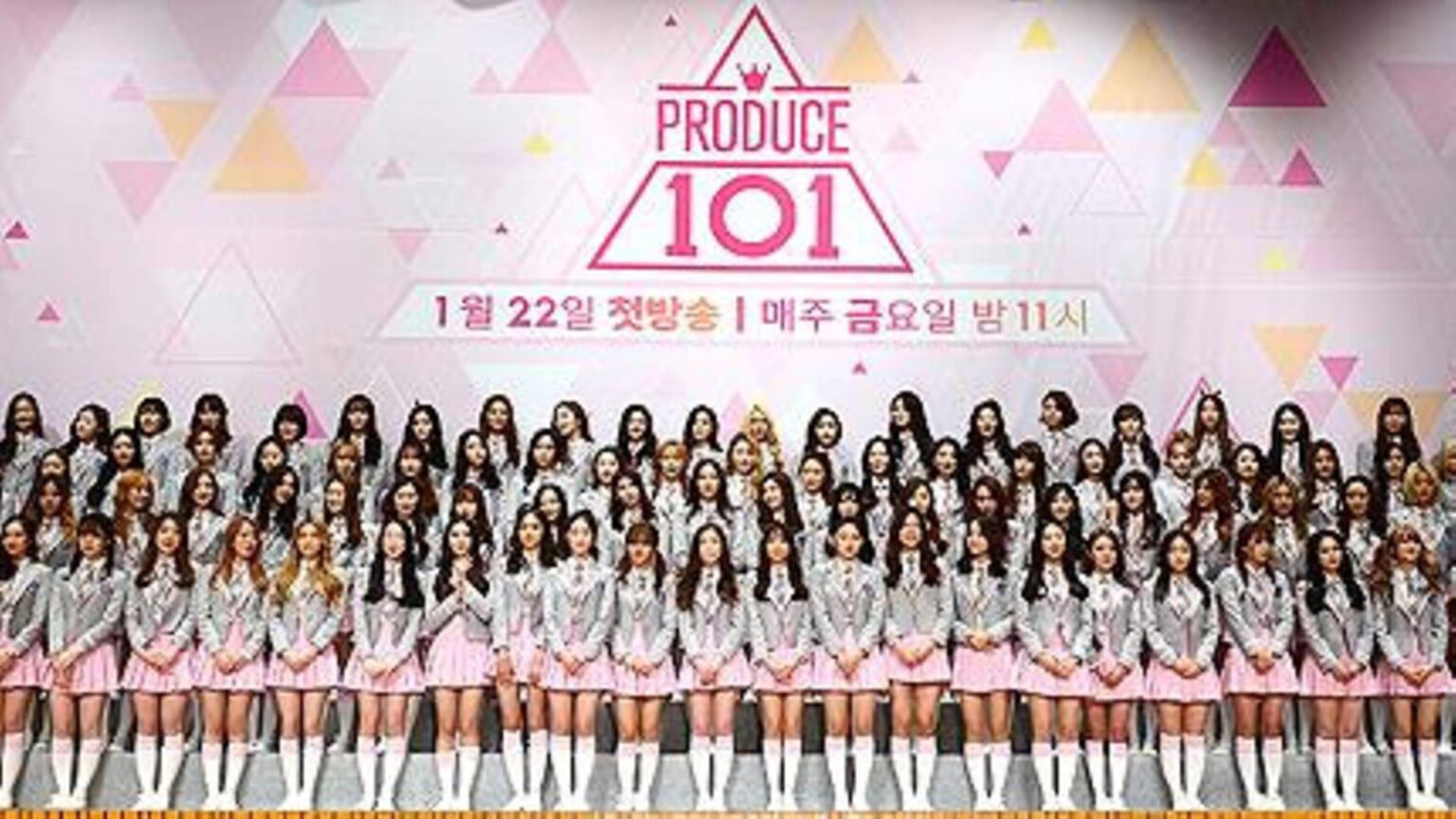
Lee trained roughly ten months under Midas and Media Line Entertainment before ranking number 89 on the survival show and returning to the United States for university studies at Vanderbilt. Her recollections of camera coaching, late-night rehearsals, public weigh-ins, and the pressure to perform for hidden lenses still line up with reports from other trainees years later.
Where it all begins
Entertainment companies still scout through open calls held in Seoul and overseas cities, targeting kids and teenagers who show promise in vocals, dance, or visual appeal. Those who advance enter training periods that can stretch from several months to several years, though most are eliminated during periodic evaluations rather than guaranteed a debut.
Global auditions have grown more common, with agencies sending staff to the United States, Japan, and Southeast Asia. Even with that wider net, the core routine stays consistent: daily classes in singing, rap, choreography, language study, and image training, all while living under the company’s schedule and housing rules.
An ex-trainee speaks out
Lee described the constant presence of instructors and surveillance cameras that recorded practice sessions into the early morning. She recalled a company-hired camera director who drilled the trainees on how to behave on screen, noting that staying until four in the morning was treated as proof of commitment even when exhaustion set in.
The only reliable hiding spots, she said, were the changing rooms without cameras, where some trainees caught short naps. The prevailing message was simple: keep training regardless of fatigue. Those details from her 2021 interview continue to surface in newer trainee accounts, suggesting the daily rhythm has not shifted dramatically for many agencies.
Toxic diet culture
Lee recounted mandatory group weigh-ins every few days in front of staff and fellow trainees, along with referrals to diet clinics that prescribed what she later suspected were appetite-suppressing pills. She described additional procedures such as fat-dissolving injections and electrical stimulation treatments, all framed as standard parts of the trainee package.
Recent reporting indicates monthly weight checks and similar monitoring still occur at some companies, even as 2026 contract revisions attempt to introduce clearer nutritional guidelines and mental health resources. Enforcement remains uneven, and many trainees continue to be classified as interns, which limits how far labor protections extend.
A fake culture
Lee noticed early that participants learned to manufacture emotional moments for screen time, whether through staged tears or manufactured rivalries. She said the experience shifted her view of the entire industry, making her step away from K-pop and K-dramas for a period before returning to selective listening years later.
The 2019 vote-rigging scandal that later engulfed Produce 101 confirmed that manipulation extended beyond on-camera behavior to the official results themselves, leading to producer arrests and the disbandment of project group X1. Lee’s observations about manufactured drama now sit alongside that documented history of systemic interference.
Regulatory Reforms and Trainee Protections
New standard trainee contracts took effect January 1, 2026, under revisions to the Popular Culture and Arts Industry Development Act. The changes emphasize compensation transparency, required mental health support, and additional safeguards for minors still in the system.
Analyses from 2025 and 2026 note that many agencies continue to list trainees as interns, which can restrict access to some of those new protections. The rules represent a formal response to long-reported issues around hours, health, and pay, though industry observers say consistent enforcement will determine whether daily conditions actually change.
Produce 101 Legacy and Industry Impact
The season Lee appeared on became part of a larger reckoning once the rigging scandal surfaced. Producer Ahn Joon-young admitted to altering votes across multiple Produce seasons, resulting in criminal charges and lasting damage to Mnet’s reputation for survival formats.
Despite the Korean fallout, the franchise has continued abroad. Produce 101 Japan Shinsekai launched in 2026 with a hybrid voting system that mixes producer and audience input, showing how the survival-show model travels even after its original controversies.
Global Expansion of Trainee Systems
Major labels have opened training programs outside South Korea. JYP, for example, runs U.S.-based initiatives that follow similar daily schedules and evaluation structures, including diet expectations and camera coaching. Produce 101 Japan Shinsekai incorporated global voting elements, pulling in international contestants and viewers.
These overseas efforts widen the pipeline while carrying forward many of the same pressures documented in earlier trainee interviews. Agencies scout talent across continents, yet the timeline from audition to possible debut remains long and uncertain for most participants.
Mental Health and Long-Term Outcomes for Trainees
The 2026 contract updates explicitly call for expanded mental health resources, a direct acknowledgment of the exhaustion and surveillance pressures Lee and others described. High-profile cases continue to highlight the cumulative effect of constant evaluations and limited downtime.
Lee returned to academic life after her elimination, a path shared by many who train for months or years without debuting. Reports note that ongoing monitoring and performance reviews can intensify stress even as agencies introduce counseling options, leaving the long-term impact on former trainees an active area of discussion.
Lee’s account from 2021 still serves as a primary reference point because it captures the day-to-day mechanics of trainee life without the later overlay of regulatory language. The addition of contract reforms, documented scandals, and expanding international programs shows how the system has evolved while many core demands remain in place.