Go back in time and relive BTS’s iconic 2013 debut
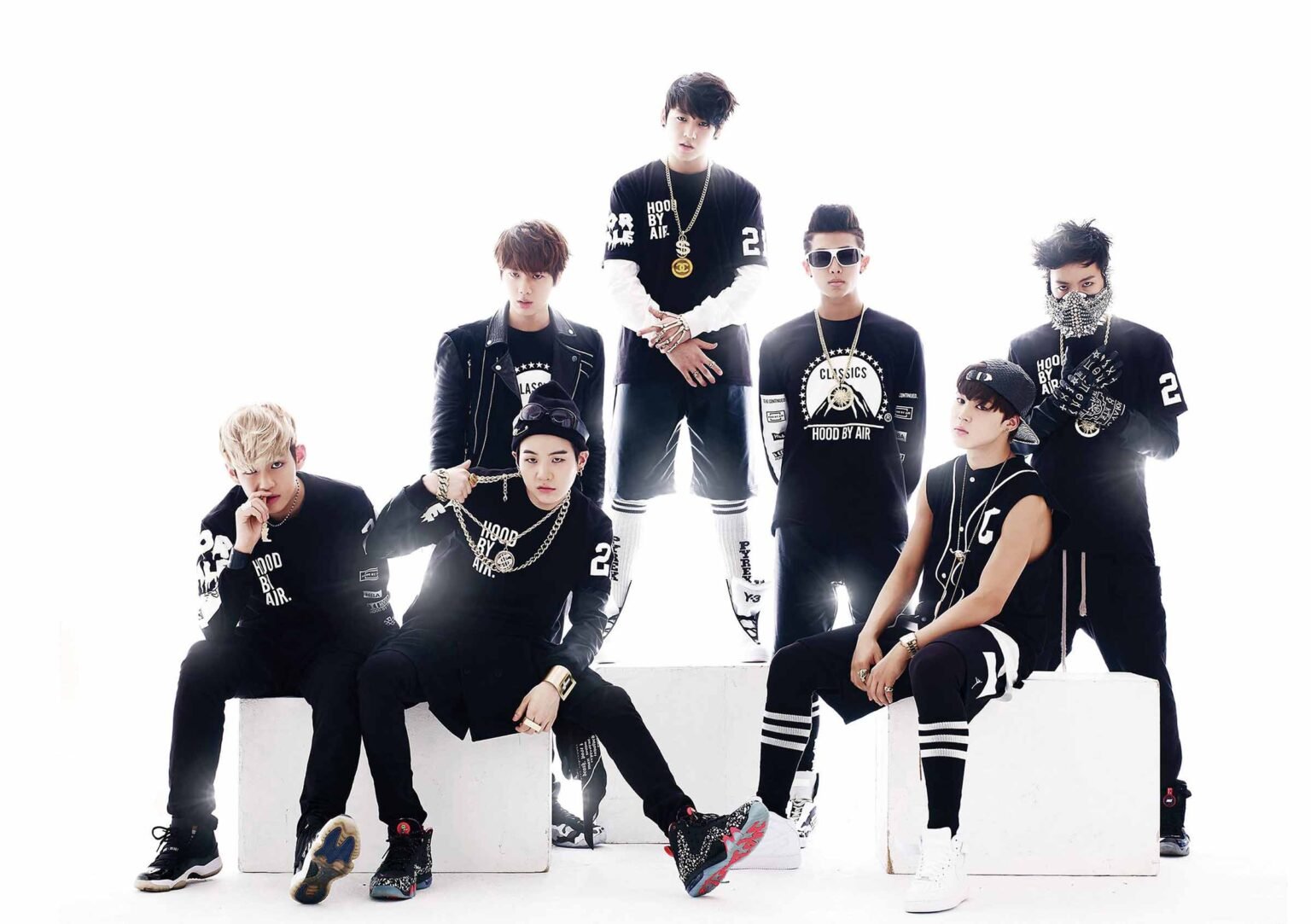
BTS arrived with a clear point of view when they stepped onto the M Countdown stage on June 13, 2013. The seven-member group from a modest Seoul label introduced a sound and message that still resonate more than a decade later. Their debut single and the short album that carried it gave the members room to write, rap, and stake out an identity rooted in personal ambition and social observation.
“No More Dream”
The music video for “No More Dream” premiered on June 11, 2013, one day before the single and album arrived and two days before the official broadcast debut. The track’s critique of shortcuts to fame and fortune set an early tone for BTS lyrics that addressed real pressures rather than fantasy. A day later the group performed the song at a press showcase, then delivered the full television debut on M Countdown. The track later resurfaced on charts in subsequent years, proof that its message traveled beyond the initial release window.
2 Cool 4 Skool
The seven-track single album landed on June 12, 2013. It opened with the title track and closed with an intro that framed the project as a snapshot of teenage restlessness. All seven members received writing credits, a detail that distinguished the release from many debut projects at the time. Initial shipments hovered near 24,000 copies, yet cumulative figures later climbed past 500,000 on the Circle Chart with equivalent units reported above one million. The project also introduced the School Trilogy, a three-part series that continued with O!RUL8,2? in September 2013 and Skool Luv Affair in 2014.

Legacy of the School Trilogy
The debut positioned BTS as observers of youth culture rather than polished idols. Themes of academic pressure, uncertain futures, and the gap between dreams and effort ran through every track. The trilogy format gave the members a platform to expand those ideas across multiple releases in quick succession. Early fans recognized the continuity, and the structure helped the group build narrative momentum before they expanded into broader pop and global markets.

Global Impact and ARMY Growth
Street-level promotion in Seoul set the pattern for direct connection with listeners. Members handed out flyers for free shows and engaged with anyone who showed interest. That grassroots approach seeded ARMY, a fandom that grew from local supporters into a worldwide network. The same community sustained engagement through military service periods and the full-group return in 2026, keeping the group visible even during extended breaks.

Member Creative Control and Songwriting
From the first album onward, BTS treated songwriting as collective work. Every member contributed to 2 Cool 4 Skool, and that habit continued across later projects. Recent 2026 interviews highlighted the same focus on personal storytelling and group identity that began in the debut sessions. The consistency kept the music tethered to the members’ own experiences rather than external trends.
From the bottom up
Big Hit Entertainment operated with limited industry leverage when BTS debuted. The label later evolved into HYBE, yet the early constraints forced the group to rely on their own output and fan relationships. After all members completed military service by mid-2025, the 2026 Arirang album and accompanying world tour underscored how far that self-directed path had carried them. The group retained final say on creative choices and continued to weave Korean cultural references into their work.

2026 Full-Group Return and Continued Relevance
The post-service comeback demonstrated that the foundation laid in 2013 still supported large-scale activity. Arirang arrived with the same emphasis on member-driven lyrics and cultural grounding that marked the debut. The tour dates spanned multiple continents and sold out rapidly, showing that the original message about effort and identity had scaled without losing its core. BTS continue to treat their catalog as an ongoing conversation rather than a finished chapter.