Is Big Hit Entertainment encouraging anti-Semitism in their groups?
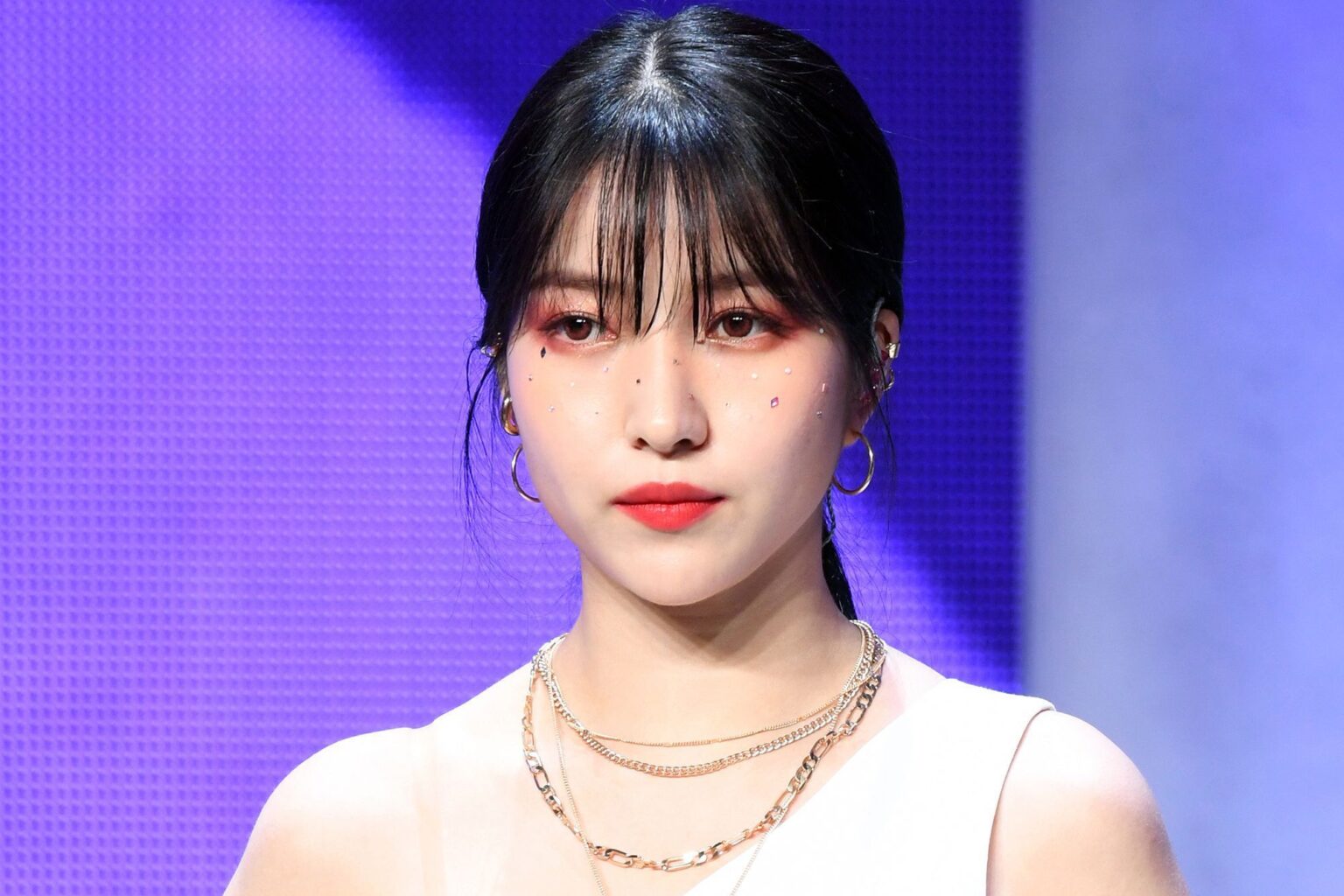
Big Hit Entertainment, now known as HYBE, has faced renewed questions after GFriend member Sowon posted images of herself with a mannequin in Nazi-era uniform. The photos, taken in November 2020 during a comeback video shoot at a café in Paju, South Korea, surfaced on Instagram in late January 2021. The label issued a formal apology after the images were removed, yet the episode left lasting questions about oversight inside the company that also manages BTS and TXT.
What went down?
Source Music, then under Big Hit’s umbrella, confirmed that Sowon deleted the post once she grasped its weight. The agency stated she felt “pained and feels deep responsibility.” The statement also admitted the production team failed to spot the prop during filming and upload, adding that the label had not given enough attention to historical context. The apology came weeks after the shoot wrapped, once public backlash forced a response.
People’s responses
Online reaction stayed sharp. One user noted the mannequin had been part of an official set, calling that detail especially reckless. Another, whose family survived the Nazi period, said the images could not be excused and demanded accountability from both Sowon and the group. A Polish fan wrote that her great-grandmother died in a camp and her great-uncle fought in the war, stressing that ignorance offered no defense. The volume of replies showed how quickly personal histories surfaced once the photos spread.
People defending Sowon
Some followers argued that Korean schools teach limited detail on the Holocaust and that visual departments may skip deeper historical context. Others pointed out the difference between knowing Nazi history and instantly recognizing a uniform on set. Several comments noted the absence of large Jewish community organizations in many Asian cities that might otherwise flag such symbols during pre-production. These defenses echoed across fan forums even as most agreed an apology was still required.
Has this happened before?
The Sowon incident was not the first time the label drew criticism. In 2018, BTS faced backlash after RM wore a hat bearing an SS Death’s Head symbol, prompting a rebuke from the Simon Wiesenthal Center. Jimin also appeared in an atomic-bomb T-shirt that led Japanese broadcasters to drop a scheduled appearance. Big Hit responded by saying the company bore full responsibility for inadequate checks and that the members’ packed schedules left them little room for on-site review. The pattern of repeated lapses later prompted wider industry discussion.
Industry Context on Nazi Imagery in K-Pop
Similar controversies have surfaced at other agencies. Purple Kiss drew complaints in 2021 after a military-themed photoshoot featured a stylized eagle and swastika motif. EPEX faced criticism in 2022 for lyrics referencing Kristallnacht alongside uniformed staging. TWICE’s Chaeyoung apologized in 2023 after wearing a T-shirt printed with a swastika. Each case ended with label statements citing insufficient pre-production review, suggesting the issue extends beyond any single company.
Sowon’s Post-GFriend Career
GFriend’s contracts with Source Music ended in May 2021, and the group disbanded. Sowon later signed with IOK, then OUI, and eventually HAKY Entertainment. She has shifted focus to acting, with a role in the 2026 thriller The Chain, and became a Burberry ambassador in 2024. Her current work sits outside the HYBE umbrella that once managed her.
HYBE’s Evolution Since 2021
Big Hit Entertainment rebranded to HYBE in March 2021 and now functions as a global entertainment lifestyle platform with 77 affiliates across multiple countries. Record revenues in 2025 were led by its BIGHIT MUSIC division. The corporate expansion has placed greater resources on international marketing, yet the 2021 incident remains a documented example of earlier oversight gaps.
Public Awareness and Cultural Sensitivity Training in K-Pop
Repeated apologies across labels have highlighted gaps in historical-symbol training. Coverage of later incidents has noted ongoing calls for stricter pre-production checks and clearer guidelines for stylists and set designers. Some agencies now circulate internal reference lists of restricted imagery, though enforcement still varies by project and schedule pressure.
The 2021 episode and its aftermath illustrate how quickly an unchecked prop can echo across decades of trauma. HYBE’s later growth has not erased those earlier lapses, and the industry continues to weigh how much historical literacy should be built into every production pipeline.