Rare Fruit Trees You Can Plant in Your Garden
Your garden can become a haven of rare and exotic plants that are not as difficult to grow and take care of as they may seem. We’ve put together this list of rare fruit trees that you can grow easily in your garden, with updated details drawn from current horticultural sources.
Kumquat
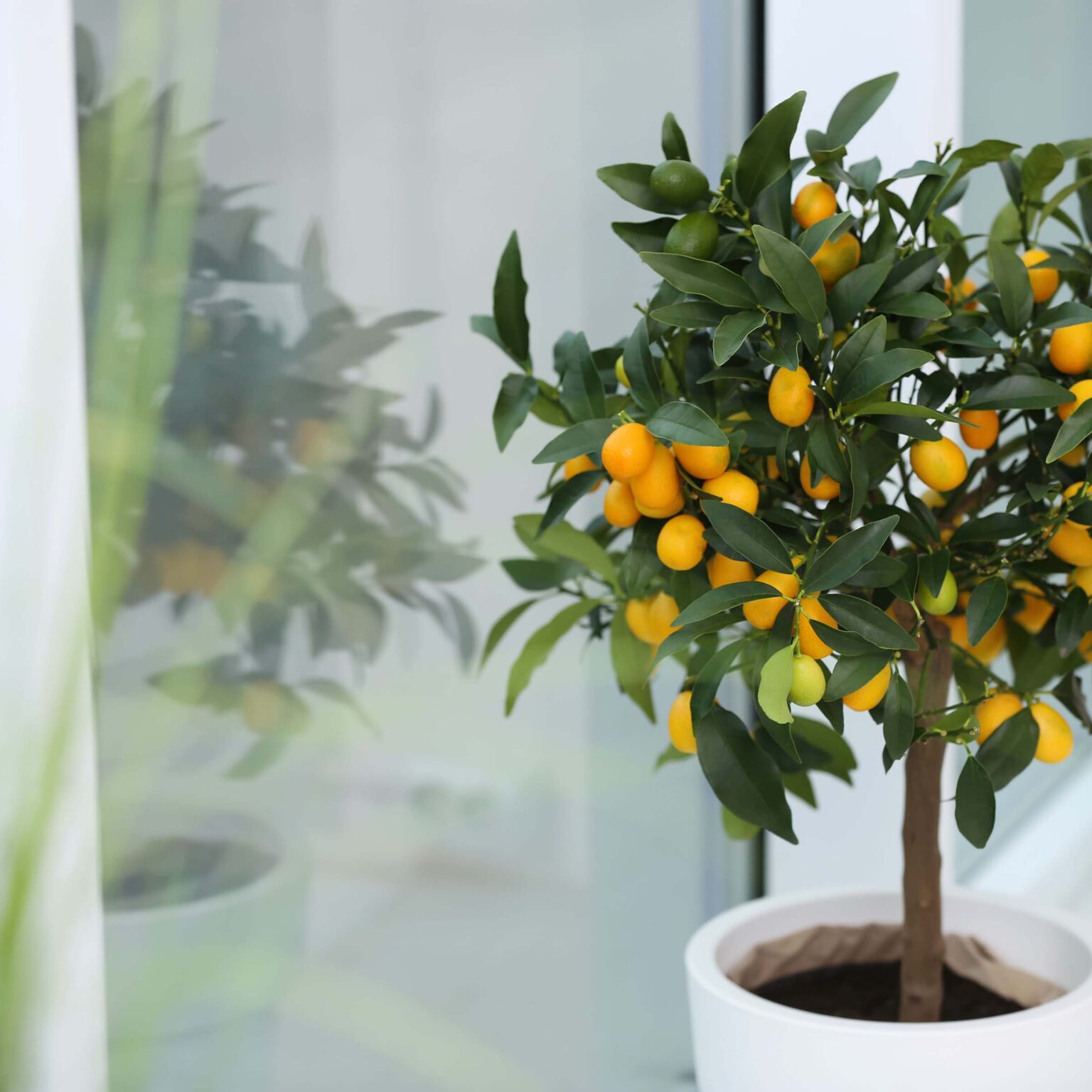
Initially found in China and East Asia, the Kumquat is a rare fruit tree that you can easily plant in your garden. Kumquat plants are self-pollinating and you can purchase a plant from a nearby nursery to either plant directly in your garden soil or in a garden pot. Kumquat plants look beautiful in gardens as they have large and lush green leaves and stunning white flowers. They bear fruit twice a year and give yellow or orange-colored fruits which look similar to oranges. The kumquat fruit can be had with the peel and will taste sweet and acidic. You can plant kumquat plants in almost any kind of soil except clayey soil. They grow best when they get 6-8+ hours of sun in well-draining loamy slightly acidic soil with a pH range of 5.5-6.5 and must be protected from the frost during winters. As a result, if you live in an area with strong winters, you should plant the kumquat in a garden pot that can be moved indoors when the need arises. They need moist soil but Kumquat plants are also vulnerable to root rot and hence you must take care not to overwater the plant. Kumquats are hardy to about 20°F with proper protection.
Clementine
Clementines are a widely loved fruit that you can grow in your garden much more easily than any other citrus fruit plant. The clementine plant is known to be a hybrid mix of the mandarin and sweet orange. To plant a clementine plant in your garden, you need to purchase one from your local nursery and grow it where there is plenty of sunlight and space. If you have very cold weather near your home during winters, plant it in a pot so that you can move it indoors during the cold months. Clementines can survive in any kind of soil as long as it is not soggy. They especially flourish in slightly acidic soil that is well drained. It is essential to ensure drainage of the plant, especially if you are keeping it in a pot. Ensure to water the plant only when the top two to three inches of the soil are dry. Clementines are usually seedless and are perhaps the sweetest variety out of all citrus fruits. To help your clementine plant grow, you can feed the soil with citrus fertilizers every alternate month. Clementine trees thrive in USDA zones 9-11 and gardeners should watch for scale, leaf miners, and fruit flies.
Meyer Lemon
First introduced in the US in 1908, the Meyer lemon tree is named after Frank Nicholas Meyer, who discovered this plant in China and brought it back home. However, most Meyer lemon trees were destroyed by a virus that affected citrus plants in the 1940s. The version of the Meyer lemon tree we know today is an improved hybrid between the common lemon plant and the mandarin and was introduced in 1975. The original carried tristeza virus while the Improved Meyer is the disease-resistant hybrid available today. The Meyer lemon is a small and resilient plant that gives a lovely sweeter version of the regular lemon. It creates a fresh fragrance and is beautiful to look at in any garden. Meyer lemons are an especially great choice for desserts and cocktails. The plant itself is fairly simple to grow. It requires a minimum of 6 hours of direct sunlight but can also survive indoors during the colder months. It thrives in loamy soil and can grow very well if fertilized two to three times in a year, during the summer, spring and fall. Like the other citrus plants, the Meyer lemon plant must not be overwatered and the soil should be kept moist throughout.
Kaffir Lime
The kaffir lime produces a small lime with a dark green and bumpy peel. The fruit does not produce much juice but can be zested to add tons of flavor to any dish. The most used part of the kaffir lime plant is the fragrant and flavorful leaf, which is an essential ingredient for many dishes in Asian cuisines. Often called Makrut lime in modern sources, the plant grows best with a minimum of 6 hours of sunlight. The plant is small in terms of height and grows well in a pot that can be kept indoors as well. In the warmer months, the kaffir plant needs to be watered thoroughly once or twice a week, letting the top inch of soil dry between waterings. To help the soil retain the moisture, you can put some mulch over it while making sure to leave enough space around the plant’s trunk. The plant prefers well-draining soil with a pH of 5.5-6.5 and can be fed with citrus fertilizers thrice a year to help it grow better. The summer, spring and fall seasons are the best times to use the fertilizer for the kaffir lime plant.
Orange
Oranges are a common fruit used in almost all households for a variety of purposes. You can grow an orange tree in your garden so that you can save on buying all those oranges from the market. Unlike the other trees in this list, you can grow oranges on your own from orange seeds. You will first need to sprout the seeds by putting them on a moist paper towel inside a jar and keeping it in the sunlight for around two weeks. Once the seeds have sprouted, they can be planted into pots with a loamy potting mix mixed with organic compost material. The plant needs to be watered often but not so much that the soil gets soggy. You need not mulch the soil for oranges but remove weeds and nourish the soil using fertilizers or organic manure. Seed-grown trees typically take 3-5+ years to fruit and offspring may differ from the parent tree, so patience and realistic expectations help.

Pest and Disease Management
Common pests include aphids, scale, whiteflies, and mealybugs that can lead to sooty mold on citrus leaves. Regular monitoring and appropriate treatments keep populations in check before damage spreads. Citrus canker, phytophthora, and tristeza virus remain risks across many varieties. Sourcing disease-free plants from reputable nurseries and maintaining good drainage reduce these threats significantly for home gardeners.

Hardiness Zones and Climate Considerations
Most listed trees suit zones 9-11 outdoors where winters stay mild. Kumquats and some Meyer lemons tolerate brief dips into the low 20s°F with protection such as wrapping trunks or moving containers inside. Container growing enables northern gardeners to enjoy the same trees by shifting pots to sheltered spots or greenhouses during cold months. Indoor overwintering options continue to expand as more people experiment with compact varieties.

Pruning and Maintenance Tips
Prune to encourage bushy growth and leaf production on kaffir limes while avoiding removal of more than 25 percent of leaves at once to prevent stress. Repot or root prune container trees every two to three years to refresh soil and manage root bound conditions. Apply mulch three to four inches deep around the base, keeping it several inches away from the trunk to discourage rot and pests.

Popular Citrus Varieties for 2025-2026
Finger lime, Buddha’s Hand citron, variegated and pink lemons, and calamondin continue gaining popularity for their unique fruit shapes, intense flavors, and ornamental value in home gardens. Many of these options arrive as dwarfs or grafted onto hardy rootstock, making them ideal for containers and slightly extended growing zones. Nurseries report steady demand as gardeners seek conversation-piece trees that still deliver reliable harvests.
With a little bit of care, you can grow any of these five rare fruit trees that will yield fragrant flowers, flavourful fruits and will look absolutely gorgeous in your garden. Updated guidance on zones, pests, and maintenance helps ensure long-term success whether you plant in the ground or in movable containers.