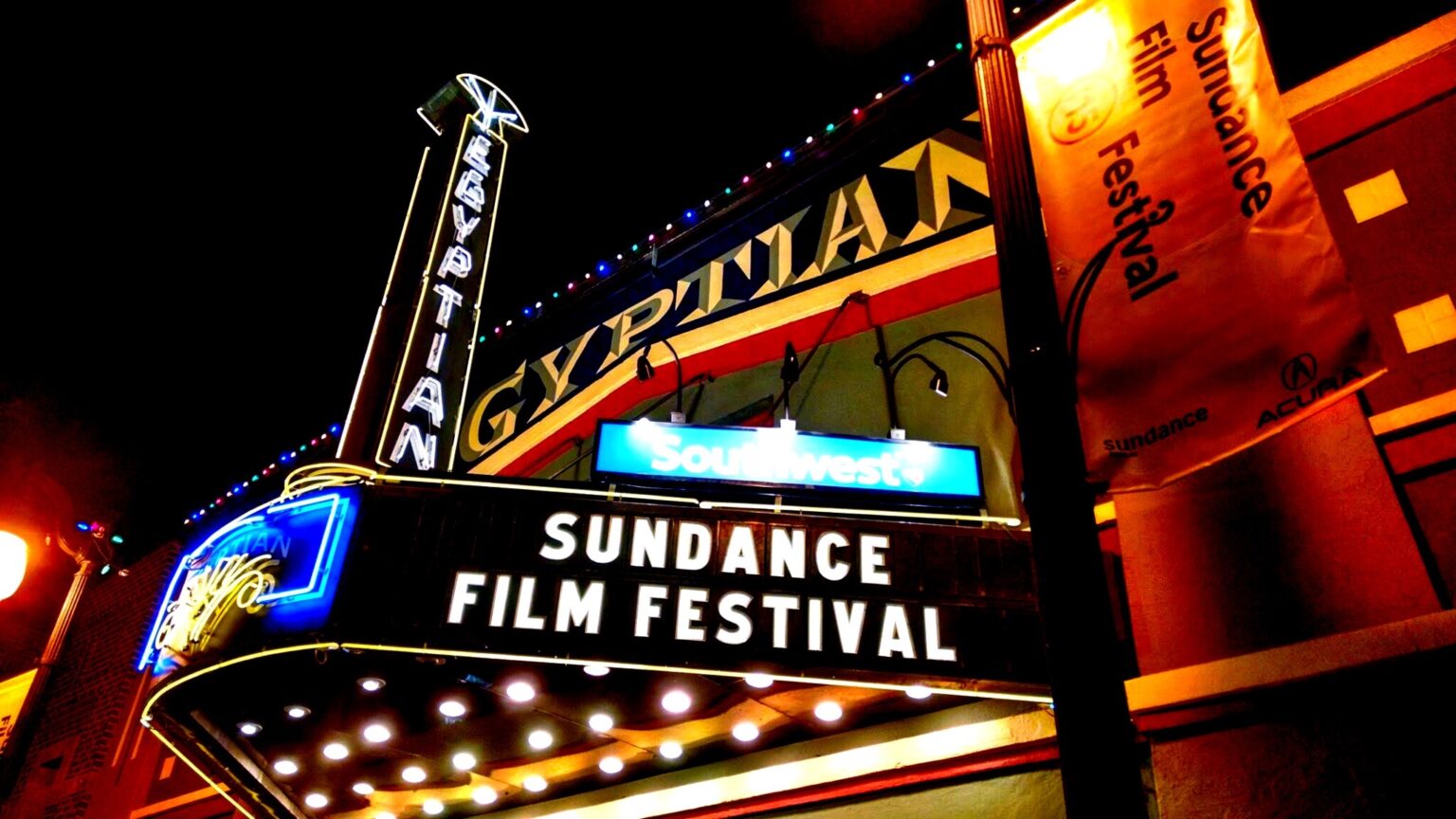
Is Sundance Film Festival truly indie again? Check out the 2021 lineup
The Sundance Film Festival has long been the place where the indie film world gathers to test new work against an audience that actually cares about discovery. When the 2021 edition rolled out its slate in the middle of a pandemic winter, the lineup felt like a deliberate reset after years of bigger names drifting into the program. The shift to an online format meant viewers watched premieres from living rooms instead of Park City theaters, but the emphasis stayed on emerging directors and smaller productions.
Seventy-two features screened across the usual competition and sidebar sections, with the Sundance Institute still committed to the conversations, panels, and XR experiments that have become part of the annual routine. The question of whether the festival could stay true to its scrappy origins kept surfacing in coverage that year, and it has lingered through every subsequent edition.
U.S. Dramatic Competition
The ten narrative features chosen for the U.S. Dramatic Competition in 2021 ran the gamut from intimate family stories to darker coming-of-age tales. CODA took the U.S. Dramatic Grand Jury Prize that year, a reminder that the section still rewards work that balances personal stakes with wider appeal. The category continues to serve as the main stage for American fiction features that have not yet been claimed by larger distributors.
U.S. Documentary Competition
Nonfiction entries in 2021 included music histories, school portraits, and observational pieces that later found wider audiences. Summer of Soul captured the U.S. Documentary Grand Jury Prize, underscoring how the section rewards films that recover overlooked cultural moments. The category remains a reliable home for directors who build their projects outside traditional studio pipelines.
World Cinema Dramatic Competition
Ten narrative features from outside the United States filled the World Cinema Dramatic Competition, bringing stories set across Europe, Asia, and Latin America. The section has always functioned as a counterweight to the domestic slate, giving programmers room to highlight directors who may not yet have U.S. representation. That international reach has stayed consistent even as submission numbers have grown.
World Cinema Documentary Competition
The nonfiction counterpart covered subjects ranging from political transitions to environmental change. These films often arrive with smaller crews and tighter budgets, and the section continues to spotlight work that might otherwise struggle for theatrical space. The programming choices reflect the festival’s ongoing interest in global nonfiction voices.
Premieres
The Premieres section has long offered a place for higher-profile titles that still fit the festival’s mission. In 2021 the slate mixed fiction and nonfiction, and the category persists in later years with the same mix of established and emerging names. It functions as a bridge between the competition sections and the wider marketplace.
Spotlight
Spotlight screenings highlight films that have already traveled other festivals. The 2021 selections included titles that had screened elsewhere, giving Sundance audiences a chance to catch work that might otherwise bypass the event. The section keeps the program from becoming entirely insular.
NEXT
The NEXT section spotlights formally adventurous or low-budget experiments that might not fit traditional competition slots. In recent years the category has remained a laboratory for directors testing new approaches to narrative and technology. Its presence signals that the festival still values risk alongside more conventional storytelling.
Midnight
Midnight programming continues to deliver horror, genre, and cult-leaning titles that play after regular hours. The category remains part of annual programming, giving space to films that lean into tension, satire, or the uncanny. It has stayed true to its original purpose even as the rest of the festival has expanded.
Indie Series Program
The episodic section in 2021 featured a handful of limited series. By 2026 the program had grown to seven episodic projects running alongside ninety features, reflecting how the festival adapted its structure to accommodate longer-form storytelling. The category now operates under a broader Episodic banner while keeping the focus on independent voices.
Short Films Program
Shorts remain the fastest route for new directors to reach the Sundance audience. The 2021 selections covered documentary, narrative, and experimental work, and the program continues to serve as an entry point for filmmakers who later move into features. The volume of submissions each year keeps the section competitive.
Special Screenings
Special Screenings in 2021 included the crowdsourced Life in a Day 2020, which captured daily footage from around the world during the pandemic. The category still hosts one-off events that fall outside the regular sections, whether archival presentations or live experiments.
Festival Transition to Boulder
The Sundance Institute announced that Boulder, Colorado will become the new home for the festival beginning in 2027. The 2026 edition marked the final run in Park City and Salt Lake City, with added legacy programming that honored the festival’s decades in Utah. The move represents the largest geographic shift in the event’s history.
Diversity in 2026 Programming
More than seventy projects directed by women appeared in the 2026 lineup, and forty percent of the feature selections came from first-time filmmakers. Those numbers reflect continued efforts to widen the pool of voices that reach the screen. The data also tracks with the festival’s stated interest in supporting directors at earlier stages of their careers.
Hybrid Format Evolution Post-2021
The 2021 edition was the first fully virtual Sundance, staged entirely online because of pandemic restrictions. By 2026 the festival had returned to primarily in-person screenings in Utah, with a limited online window available to U.S. audiences from January 29 to February 1. The hybrid model allows broader access without replacing the on-site experience that defines the event.
Notable 2026 Talent and Buzz
Projects featuring Jenna Ortega, Charli XCX, Channing Tatum, and other recognizable names appeared alongside work from lesser-known directors in 2026. The presence of established performers did not displace the emphasis on emerging filmmakers that has defined the festival since its early years. The mix continues to draw industry attention while preserving space for discovery.
Award Highlights from Recent Editions
CODA and Summer of Soul collected the top prizes in their respective 2021 competitions, outcomes that aligned with the festival’s reputation for launching titles into wider release. In 2026 the U.S. Grand Jury and Audience Awards went to Josephine, adding another data point to the record of films that first reached audiences at Sundance. The awards continue to serve as an early signal for distributors tracking independent work.
The festival’s move to Boulder will test whether the event can retain its identity while changing its physical setting. Programming choices in recent years suggest the balance between established names and first-time directors remains a central concern. Viewers and buyers will watch closely to see how the 2027 edition lands in its new location.