Colon cancer treatment in Germany
Colon cancer remains one of the most common malignancies worldwide. Recent global estimates place annual incidence near 1.9 million new cases, with more than 900,000 deaths each year. Patients seeking advanced care often look to centers that combine surgical precision with evolving systemic therapies, and Germany continues to rank among the leading destinations for specialized colon cancer treatment in Germany.
One of the most successful countries in cancer treatment is Germany. Thousands of patients undergo colon cancer treatment in Germany every year. Thanks to affordable prices for advanced medical procedures, Germany is one of the most popular countries among patients from all over the world.
Symptoms
Early-stage colon cancer frequently produces no clear warning signs, which is why routine screening matters. The CDC now recommends average-risk adults begin screening at age 45. When symptoms do appear, they can include rapid weight loss, loss of appetite, changes in stool habits, abdominal pain, and visible blood in the stool.
Early-onset cases are rising. Four key warning signs in adults under 55 are abdominal pain, rectal bleeding, diarrhea, and iron-deficiency anemia. Anyone experiencing these changes should seek prompt evaluation rather than waiting for the next scheduled check-up.
Cancer treatment
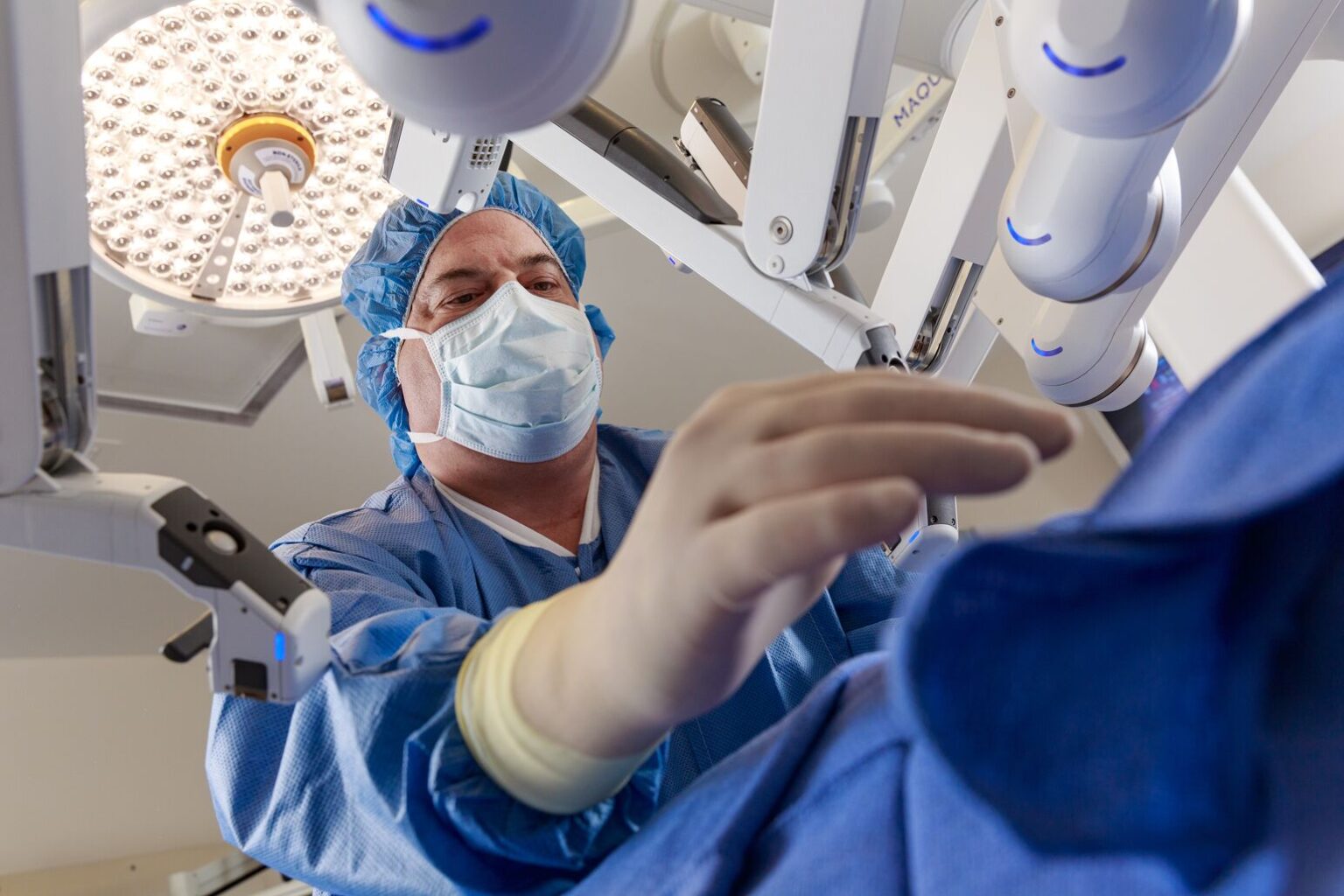
Contemporary management relies on multimodal strategies rather than surgery alone. German centers use high-resolution imaging and molecular profiling to map tumor location and guide therapy selection. Robotic-assisted colectomy has become routine in many facilities, delivering lower blood loss, shorter hospital stays, and higher rates of textbook outcomes compared with conventional laparoscopic approaches.
Alongside surgery, clinicians integrate targeted agents, antibody-drug conjugates, and immunotherapy when specific mutations are present. Several German hospitals also offer dendritic cell vaccines as part of individualized regimens for advanced disease, reflecting the country’s emphasis on innovation beyond standard chemotherapy.
HIPEC
Hyperthermic intraperitoneal chemotherapy remains an option for selected patients with peritoneal surface disease. After cytoreductive surgery removes visible tumor, a heated chemotherapy solution circulates through the abdominal cavity for roughly one hour. Because the drug acts locally, systemic side effects are limited.
Recent cohort analyses report median overall survival of 52–58 months and five-year survival near 48 percent in carefully chosen patients. Some centers now reserve the procedure for cases with low peritoneal cancer index and favorable performance status, following mixed results from trials such as PRODIGE 7. The approach still offers meaningful benefit when complete cytoreduction is achievable.
The benefits of HIPEC
- Direct delivery and local action make the procedure tolerable for many older or frailer patients.
- HIPEC for colon cancer can be used at almost all stages of cancer with high success rates when selection criteria are met.
- Heated chemotherapy penetrates tissues more effectively than systemic agents alone.
- Recovery timelines are often shorter than those associated with repeated cycles of intravenous chemotherapy.
Outcomes improve when disease volume is low and complete cytoreduction is obtained; centers now emphasize these factors during patient selection.
Emerging Therapies and Immunotherapy Options
German clinics increasingly pair standard regimens with dendritic cell immunotherapy for patients whose tumors express specific markers. Early-phase studies suggest these personalized vaccines can stimulate durable immune responses when combined with checkpoint inhibitors.
Targeted agents and antibody-drug conjugates continue to enter trials for KRAS, BRAF, and HER2-altered tumors. Access to these agents through clinical protocols allows some patients to extend survival while maintaining quality of life during later lines of therapy.
Early-Onset Colon Cancer Trends
Recent registry data indicate that roughly one in five colorectal cancer diagnoses now occurs before age 55. Younger patients often present with left-sided or rectal tumors and may experience longer diagnostic delays because symptoms are initially attributed to benign causes.
Public health messaging now stresses that persistent abdominal discomfort, rectal bleeding, unexplained diarrhea, or new anemia warrants colonoscopy regardless of age. Early detection in this demographic improves the chance of cure with less extensive treatment.
Robotic and Minimally Invasive Surgical Advances
Robotic platforms provide three-dimensional visualization and articulated instruments that facilitate precise dissection in narrow pelvic spaces. Comparative studies show reduced conversion rates to open surgery and faster return of bowel function.
These technical gains translate into measurable perioperative benefits: lower estimated blood loss, decreased wound complications, and shorter length of stay. High-volume German centers track textbook outcomes to refine technique and training standards continuously.
Current Guidelines and Patient Selection for HIPEC
Consensus statements now stress multidisciplinary review before offering cytoreductive surgery plus HIPEC. Key selection factors include low peritoneal cancer index, ability to achieve complete cytoreduction, and Eastern Cooperative Oncology Group performance status of 0–1.
Some guidelines still endorse the procedure in experienced centers, while others recommend enrollment in trials or alternative systemic approaches. Patients benefit from second-opinion discussions that weigh these evolving recommendations against individual disease biology.
Treatment abroad
Germany’s medical tourism market continues to expand, driven by expertise in advanced cancer care and transparent pricing structures. International patients can arrange evaluations through established operators that coordinate records review, appointment scheduling, and on-site interpretation.
Services typically include 24-hour coordinator support and assistance with travel logistics. This infrastructure allows timely access to robotic surgery, HIPEC programs, and emerging immunotherapies without navigating foreign healthcare systems independently.