Indie Movie of the Day: ‘The Monsters We Keep’
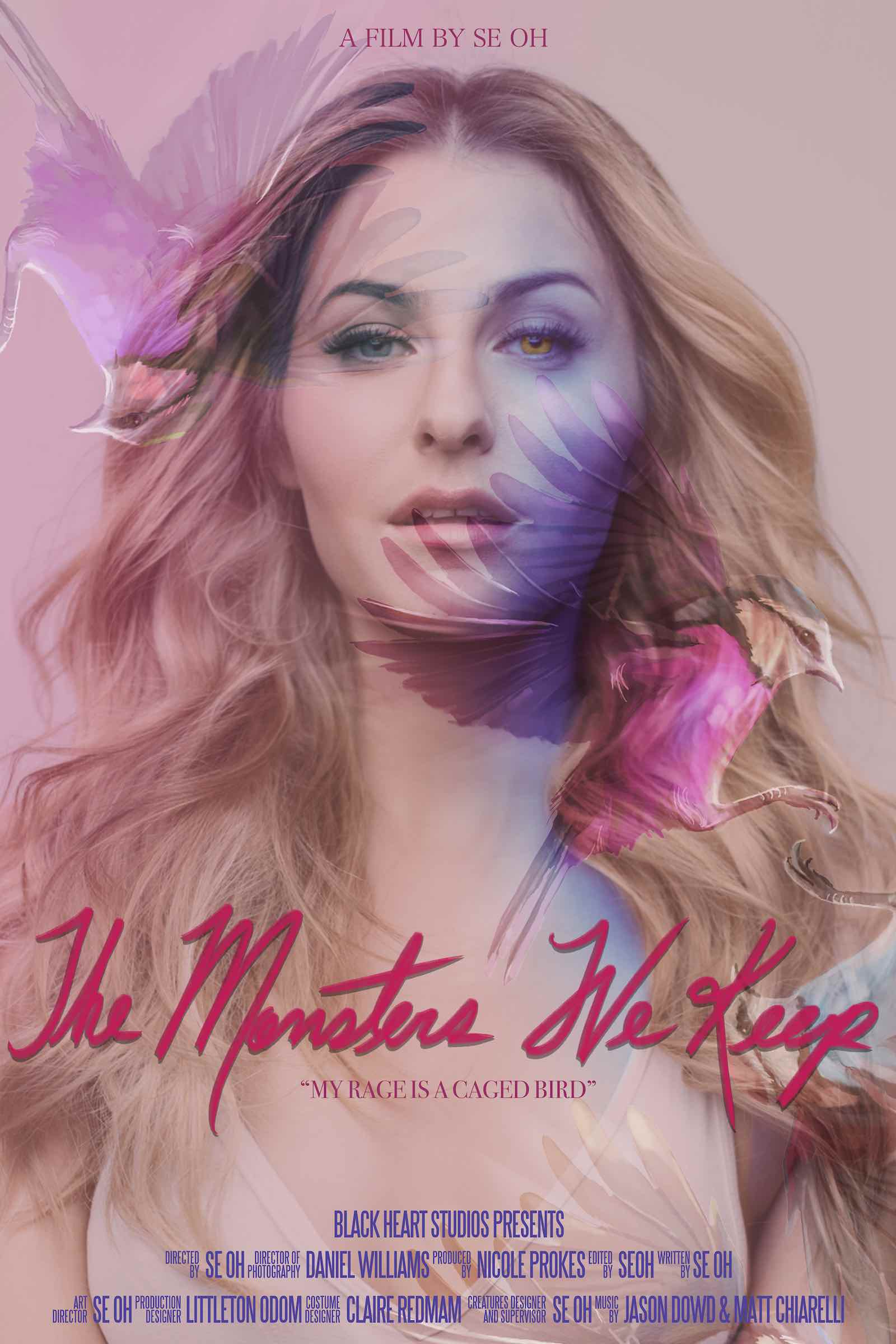
Se Oh’s 2019 short The Monsters We Keep still reads like a precise study of how ordinary people can feed their worst impulses until those impulses crowd out everything else. The film stays inside the head of Chloe, a young woman who discovers an inner rage she decides to nurture instead of quiet. What follows is less a conventional scare machine than a slow record of one person choosing isolation over connection.
Chloe’s daily life is shown from a deliberate distance. The camera rarely enters her space with warmth. Instead the viewer watches through windows, across rooms, and from angles that keep emotional contact at arm’s length. That choice turns the audience into another kind of voyeur, mirroring the way Chloe herself refuses to let anyone close.
Director's Background and Visual Style
Se Oh is an LA-based director whose earlier work in editorial photography informs the way he moves color and framing through the film. Before directing The Monsters We Keep, he contributed to features including Ant-Man and Rings. Those credits show a consistent interest in how precise composition can carry psychological weight without needing dialogue to explain it. In the short, muted palettes and careful blocking turn ordinary apartments into spaces that already feel half-empty.
Cast and Performances
The lead role belongs to Leandra Terrazzano, whose guarded expressions carry most of the first half. Scout Compton appears in supporting scenes that mark the few moments when Chloe still has a chance to reach outward. Their performances stay small and internal, which matches the film’s refusal to dramatize the monster as anything other than ordinary human anger left unchecked.
Festival Recognition and Screenings
After completion, The Monsters We Keep screened as an official selection at the LA Shorts International Film Festival. The placement placed the film among other short works that favor character over effects, giving it a modest but fitting audience of viewers already looking for psychological rather than supernatural horror.
Production Stills and Visual Archive
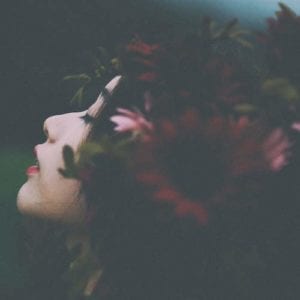
Production stills from the shoot remain available on photographer Daniel Steven Williams’ portfolio site. Those images preserve the same restrained color choices and framing that define the finished film, offering a quiet record of how the story was built shot by shot.
The script never introduces ghosts or external threats. Instead the horror stays rooted in the decision to push away every person or habit that might interrupt Chloe’s growing attachment to her rage. The second half tracks that choice in tighter scenes: a phone left unanswered, a neighbor’s knock ignored, a room that grows darker because the blinds stay drawn. Each small refusal adds weight until the final image lands with the quiet force of something already decided.
Blackheart Studios produced the short on a contained scale that matches its subject. The absence of elaborate effects keeps attention on the performances and the careful sound design, which leans on ambient room tone and the occasional scrape of furniture to mark Chloe’s increasing withdrawal. The result is a film that feels less like a traditional horror short and more like a case study of self-inflicted solitude.
Years later the themes remain legible. Isolation has only grown more familiar, and the film’s refusal to offer redemption still reads as deliberate rather than pessimistic. The Monsters We Keep does not ask viewers to pity Chloe; it simply shows what happens when compassion is treated as optional. The final shot lingers on an empty frame long enough for the absence to register as its own kind of presence.