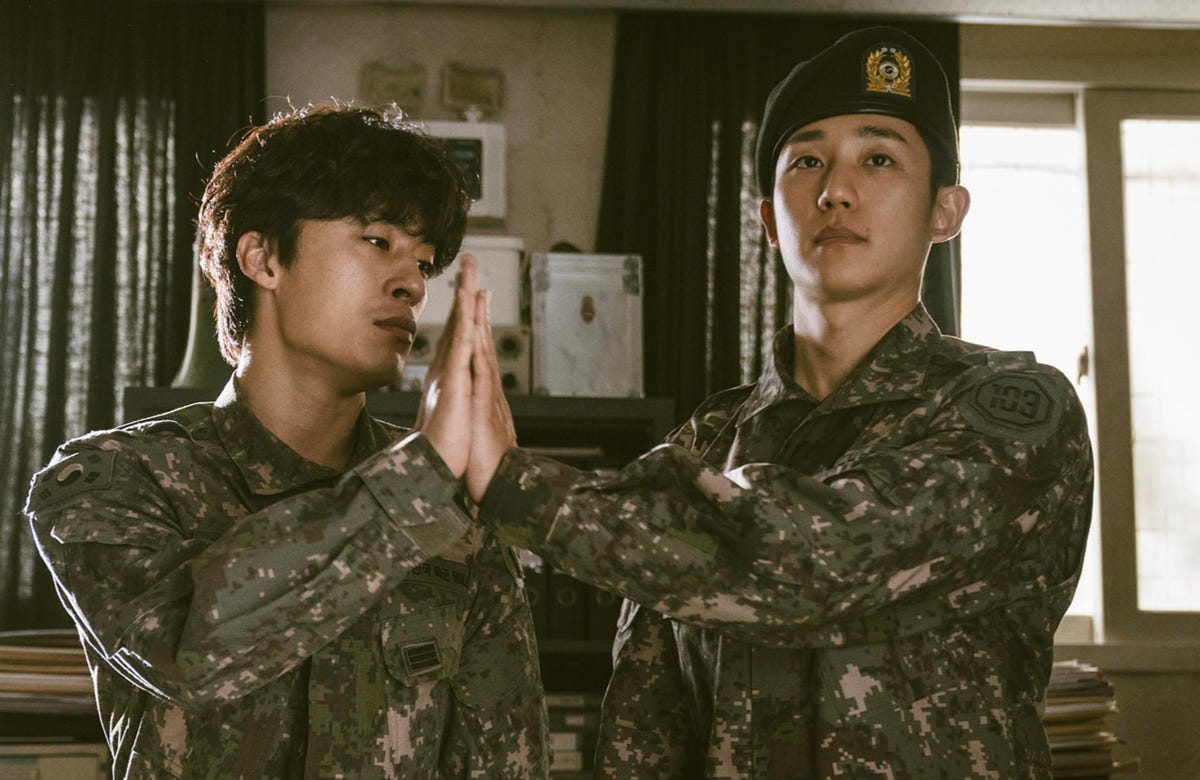
Why Millennials are Obsessed with Korean Dramas
Millennials have kept Korean dramas on heavy rotation for years now, and the draw shows no sign of cooling. The combination of tightly written episodes, strong performances, and accessible platforms keeps pulling in new viewers while loyal fans return for re-watches. Korean series deliver consistent storytelling that feels both familiar and fresh, which explains why the genre keeps expanding its reach across age groups and continents.
Recent seasons prove the momentum is real. Netflix Korean-language originals logged more than 1.2 billion viewing hours in 2025, and demand metrics tracked by Parrot Analytics put K-dramas at roughly 18 percent of global streaming interest through the first quarter of 2026. Those numbers sit behind the continued chatter in group chats, fan accounts, and late-night streaming queues.

Global Streaming Dominance
Korean content now accounts for 8 to 9 percent of total Netflix viewing hours worldwide, second only to U.S. productions. That share includes both new releases and catalog titles that keep resurfacing in regional top-10 lists. The sustained hours reflect how binge habits formed during earlier hits have carried forward, with viewers treating Korean series as reliable weekend or weeknight viewing rather than one-off experiments.
Platforms beyond Netflix have also leaned into the catalog. Amazon Prime carries a growing selection of licensed titles, and the same titles that once circulated on fan subs now sit alongside major studio releases. The result is wider discoverability that rewards casual scrollers as much as dedicated fans.
Diversity of Genres and Themes
Romance still leads at about 48 percent of streams, yet the output stretches well beyond that lane. 2025 and 2026 lineups include zombie thrillers, historical mysteries, medical procedurals, and slice-of-life family stories. When Life Gives You Tangerines crossed generational lines with its focus on intergenerational relationships, earning the nickname National Drama in some circles for the way it balanced humor and heavier emotional beats.
Viewers who arrived through rom-coms often stay for the range. A single platform row might hold a high-school romance next to a corporate revenge plot and a period political drama, giving the same account multiple entry points without requiring a new subscription.

Language and Cultural Learning Impact
Exposure to Korean dramas has turned into a quiet gateway for language study and food habits. A 2025 study published in the Journal of Gastronomy, Hospitality and Travel found that 77 percent of surveyed viewers in Türkiye began eating Korean dishes after watching series, with 94 percent reporting that the shows shaped their preferences. Similar patterns appear in language-app data, where spikes in Korean course sign-ups track with major drama releases.
Fans frequently mention picking up basic phrases or trying recipes that appear on screen. The cultural details function less as background and more as an invitation, turning passive watching into small lifestyle shifts that keep the connection active between seasons.
Simple Love stories
Romance remains the genre most viewers name first when asked why they started. The storytelling favors slow-burn affection, clear emotional stakes, and endings that reward patience rather than shock value. Recent hits keep that template intact while updating settings and character dynamics, which helps the category stay dominant without feeling dated.
Titles such as Crash Landing On You and Hospital Playlist continue to circulate in recommendation threads because their central relationships feel grounded even when the circumstances turn dramatic. The absence of gratuitous scenes lets the dialogue and glances carry the tension, a contrast that still draws comments from first-time watchers.
Korean Customs and Culture
Daily rituals, workplace etiquette, and family dynamics show up as lived details rather than exposition dumps. Viewers often cite the food presentation, holiday customs, and neighborhood scenes as the elements that make the world feel lived-in. Those touches accumulate across episodes and give long-running series a sense of place that rewards repeat viewing.
The same cultural specificity fuels the language and food interest mentioned earlier. Once a viewer notices the recurring dishes or the way characters address elders, the next step is often a search for recipes or a language lesson, extending the show beyond the screen.
Storyline
Plot construction keeps the binge habit alive. Writers plant payoffs several episodes ahead, and cliffhangers land at natural break points rather than manufactured mid-scene cuts. When Life Gives You Tangerines and Lovely Runner both demonstrated how layered backstories can sustain hours of viewing without losing clarity.
Viewers report finishing entire seasons in single sittings because the pacing rarely drags. The structure rewards attention while still allowing casual viewers to pick up threads later, which broadens the audience without diluting the tension for longtime fans.
Cast and Crew
Chemistry between leads continues to drive word-of-mouth. Newer pairings from Lovely Runner and When Life Gives You Tangerines have joined established names in fan edits and reaction videos. The 2026 slate, including Can This Love Be Translated?, is already generating early casting buzz that feeds anticipation months ahead of release.
Behind the camera, directors and writers who worked on earlier hits often return with refined approaches. That continuity gives returning viewers recognizable signatures while still introducing fresh talent each cycle. Makeup and styling teams also maintain a consistent visual language that helps characters read instantly on small screens.
Music
Original soundtracks remain a separate draw. The KPop Demon Hunters soundtrack reached number two on global Spotify charts in 2025, showing how drama music travels outside the shows themselves. Ballads and upbeat tracks alike get placed to heighten key scenes, and many fans build playlists from the end credits alone.
Artists who appear in dramas often see streaming lifts for their solo work, creating a feedback loop between acting and music careers. The result is a richer audio identity that lingers after the final episode finishes.
Sustained Fan Engagement and Anticipation
Anticipation now runs year-round. Global surveys place both recent hits and earlier classics on the same favorite lists, indicating that catalog titles keep earning new viewers while fresh seasons arrive. Social platforms fill with trailer reactions and theory threads well before premiere dates.
Upcoming 2026 projects featuring returning actors from past successes are already trending in fan spaces. That steady pipeline prevents the lull that once followed major finales and keeps the conversation active across time zones.
The combination of measurable reach, genre range, and repeat cultural touchpoints explains why Korean dramas continue to occupy a steady slot in millennial viewing routines. The numbers, the food experiments, and the queued soundtracks all point to an audience that treats these series as more than background noise.