Did Epstein influence Michael Wolff’s journalism?
Newly released emails between disgraced financier Jeffrey Epstein and author Michael Wolff have ignited a firestorm in media circles, prompting scrutiny over whether the convicted sex offender wielded undue influence on Wolff’s reporting. As a chronicler of elite power dynamics, Michael Wolff exchanged advice with Epstein on handling Donald Trump during the 2016 election, blurring lines between source cultivation and ethical compromise. This sober examination delves into the implications for journalism‘s integrity, amid Epstein‘s tragic legacy of exploitation.
 So did Epstein influence his reporting?
 So did Epstein influence his reporting?
No, Jeffrey Epstein did not directly influence Michael Wolff’s journalism in the sense of dictating content or editorial direction. However, the November 12, 2025, release of over 20,000 pages of Epstein’s emails reveals a deeply problematic relationship that compromised Wolff’s independence, objectivity, and ethical standing as a journalist. Far from a standard source cultivation, Wolff’s multi-year engagement with Epstein—post the financier’s 2008 conviction—involved dispensing strategic media advice, floating sympathetic narratives, and exchanging gossip in a manner that blurred the line between reporting and enabling. This approach, while yielding some material for Wolff’s Trump-focused books, prioritized access and sensationalism over scrutiny, raising serious questions about the reliability of his methods and the integrity of his output.
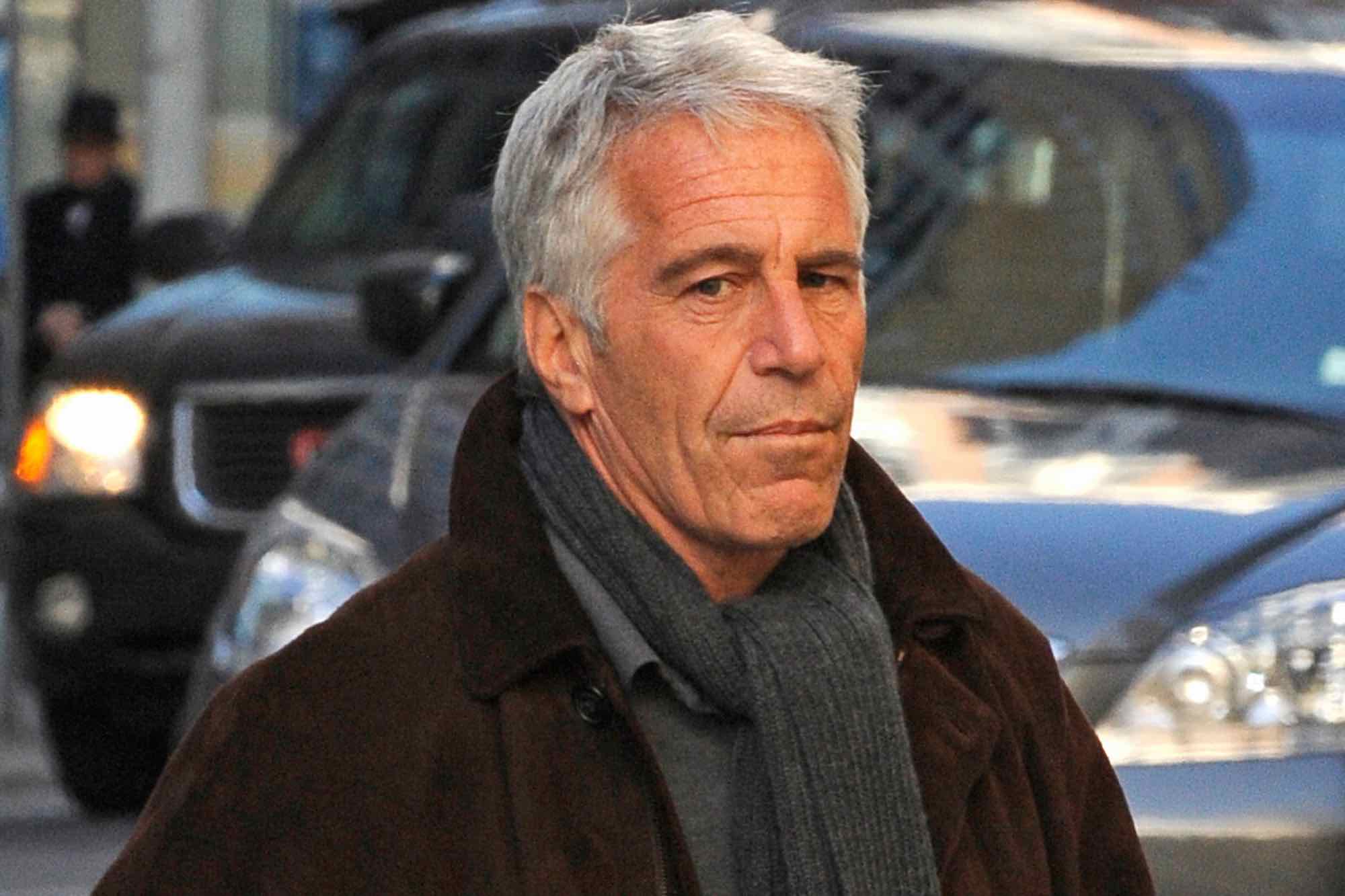
The Trump-Epstein nexus
Recent web reports from outlets like Politico and The New York Times reveal that Michael Wolff not only emailed Epstein about Trump’s 2016 rise but also advised him on navigating their shared connections. These exchanges, spanning years, show Wolff positioning himself as an insider, offering strategic tips that could sway public narratives without clear journalistic boundaries.
While Epstein referenced Trump’s “dirty” business practices in private messages, Michael Wolff‘s responses encouraged Epstein to go public against Trump for sympathy and political cover. This dynamic raises sober questions about whether Epstein’s input shaped Wolff’s portrayals of elite figures, potentially tainting his books like Fire and Fury with undisclosed biases.
Experts cited in Al Jazeera analyses argue such blurred lines erode trust in journalism, especially given Epstein’s exploitative history. Michael Wolff has faced scrutiny for ethical lapses before, but these emails suggest a deeper entanglement, prompting calls for transparency in how sources influence reporting on power.

Ethical shadows deepen
Newly disclosed emails, as reported by CNN and PBS News, show Jeffrey Epstein confiding in Michael Wolff about Donald Trump’s alleged flaws, labeling him “crazy” and “evil beyond belief”. Wolff, in turn, suggested Epstein leverage these insights publicly to gain sympathy, hinting at manipulative tactics that could have influenced Wolff’s own Trump-centric narratives without disclosure.
This correspondence, detailed in The Independent and other outlets, reveals Michael Wolff urging Epstein to “take down” Trump via strategic revelations, blurring journalistic objectivity with personal agendas. Such exchanges, occurring before the 2016 election, suggest Epstein’s perspectives might have subtly shaped Wolff’s insider accounts, raising alarms over undisclosed source biases in his work.
Wolff’s approach exemplifies the risks of unchecked access journalism. By offering guidance—on debate responses, public sympathy, and media optics—Wolff created a reciprocal dynamic where Epstein provided unverified claims (e.g., a 2019 email alleging Trump “knew about the girls” and asked Ghislaine Maxwell to stop) in exchange for validation. Wolff forwarded such material to contacts and incorporated echoes into his books, but without corroboration from victims or documents. Virginia Giuffre, a key Epstein survivor, described Trump as “friendly” in depositions and never implicated him in abuse, underscoring the unreliability of Epstein’s accounts, which were rooted in personal animosity.

Public reactions ignite
Posts on X and media analyses including from The Guardian highlight widespread outrage over Michael Wolff’s emails with Epstein with users accusing the author of ethical breaches by advising a known offender on political maneuvers This backlash underscores concerns that such ties could have tainted Wolff’s objective reporting on Trump’s inner circle
Drawing from Bloomberg’s review of Epstein’s inbox and Al Jazeera’s ethics discussions experts note no concrete proof Epstein directly altered Michael Wolff’s narratives yet the intimate exchanges suggest potential subconscious biases Wolff’s books portraying elite dysfunction now face scrutiny for possible undisclosed influences from Epstein’s worldview
Ultimately while the emails reveal a murky alliance definitive evidence of Epstein shaping Michael Wolff’s journalism remains elusive per reports from The New York Times and Politico This sober revelation prompts a broader call for journalists to disclose elite entanglements honoring victims by prioritizing transparency over access

Unproven but troubling ties
Wolff’s Trump trilogy (Fire and Fury, Siege, Landslide) and related works draw from broad insider access, but the Epstein thread highlights a pattern: sensational claims prioritized over verification. Sharing White House gossip (e.g., an alleged Trump affair with aide Madeleine Westerhout, later dismissed) and accepting Epstein-offered photos or logs without public disclosure further eroded transparency. Wolff claims unreleased audio tapes contain more, but withholding them—potentially for future books—suggests commercial rather than journalistic motives.
This method yielded limited substantive insight into Epstein’s crimes or Trump’s ties. Instead, it prolonged Epstein’s post-conviction relevance, aligning with the financier’s broader rehabilitation efforts documented in the emails.

The lingering question
In the end, while concrete evidence that Jeffrey Epstein directly influenced Michael Wolff’s journalism remains absent from reports across The New York Times, Politico, and Al Jazeera, the emails’ chummy tone and advisory exchanges cast undeniable shadows. This troubling proximity, amid Epstein’s exploitative past, underscores a probable subtle sway—demanding stricter ethical vigilance to protect journalistic truth.
Journalistic ethics emphasize independence: reporters should not advise sources, especially those under criminal scrutiny, as it risks compromising objectivity and enabling deception. Wolff’s actions—coaching on public responses and sympathetic framing—crossed this boundary, creating a conflict where his access depended on Epstein’s cooperation. Ethics scholars argue this “multiple masters” dynamic undermines public trust; building rapport is acceptable, but strategic counsel is not.
The fallout is evident. Wolff’s history includes contested claims (Fire and Fury‘s unverified anecdotes) and a retracted 2025 Daily Beast piece on Melania Trump, amplifying skepticism. While Wolff defends the relationship as a ploy to draw Epstein out, the emails show sustained engagement without public exposure of Epstein’s manipulations during his lifetime.
Wolff’s Response and Broader Implications
 Wolff’s Response and Broader Implications
On his November 13, 2025, podcast, Wolff described the emails as “embarrassing in hindsight” but necessary to understand Trump, framing advice as bait to elicit revelations. This justification overlooks the ethical lapse: the ends (anti-Trump material) do not retroactively sanitize the means (aiding a convicted offender’s optics).
Critically, Wolff’s method reflects a broader issue in access-driven reporting: when proximity becomes participation, the journalist risks becoming part of the story they claim to uncover. The emails do not prove Epstein shaped Wolff’s conclusions, but they demonstrate how Wolff’s choices—prioritizing relationship maintenance over accountability—compromised the journalistic process itself. In an era demanding transparency amid elite scandals, this approach falls short, producing more heat than light.