Jeffrey Epstein’s island: What we know happened there!
At this point, you’d have to have been living under a rock to not have heard about Jeffrey Epstein, his arrest, and death. But even those well informed on the case may still be confused about Jeffrey Epstein’s island, Little St. James.
What exactly happened upon its sandy shores? Sure, we’ve heard it called a lot of name implying the serious sex trafficking that Epstein was arrested for. But is that all that went down on the island? Even more, is Epstein the main offender, or were there other big players in the tragedy of Jeffrey Epstein’s island?
We know the basics, but the mystery surrounding Little St. James is still going strong. What was Jeffrey Epstein doing on his island?
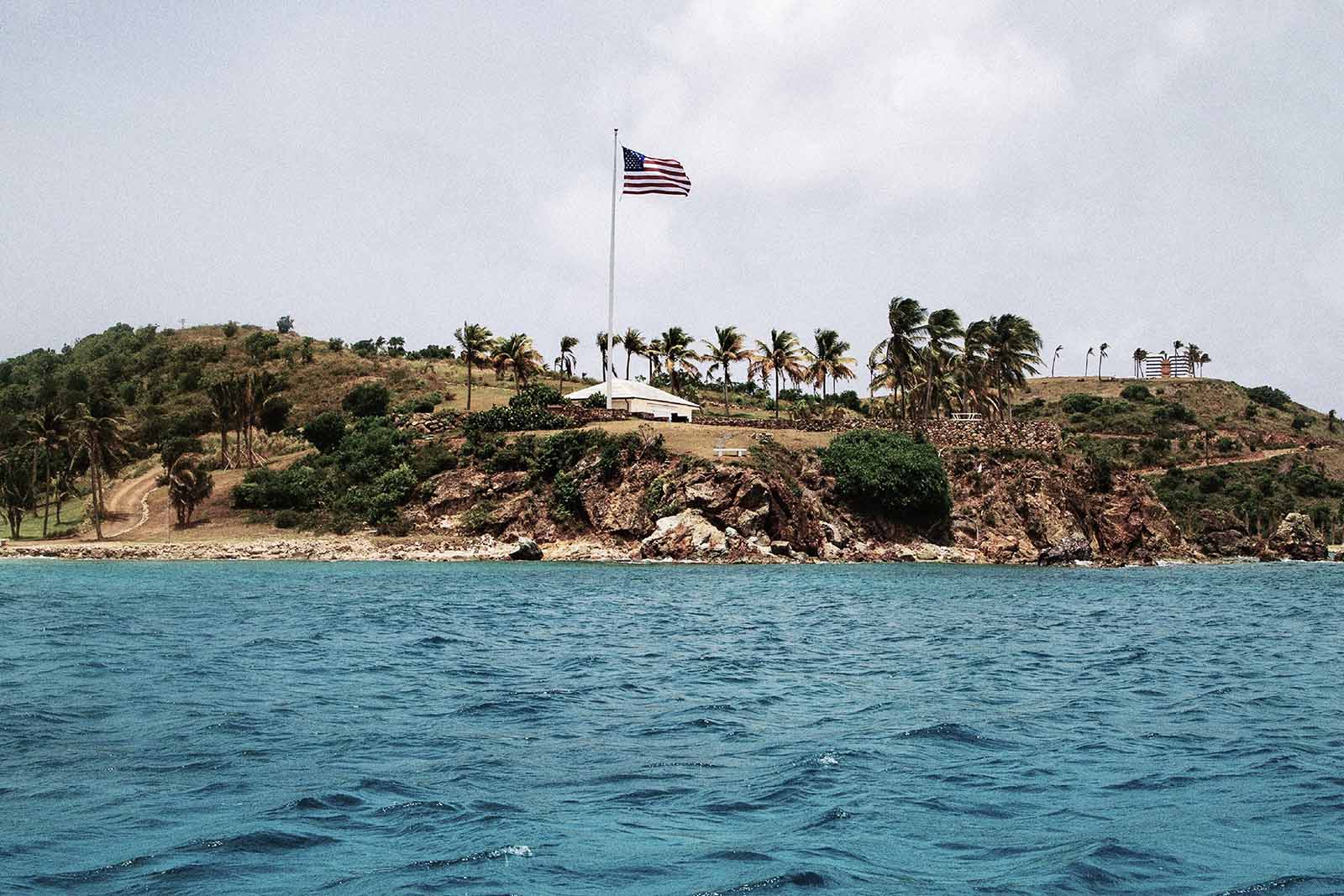
How Little St. James became Epstein’s
Epstein wasn’t the only owner of Little St. James. In 1997, venture capitalist Arch Cummin called it home, and was the sole owner. But he put it up for sale at $10.5 million, and in April of 1998, an LLC by the name of L.S.J. snatched it up for only $7.95 million.
Guess who the sole member of L.S.J. was? That’s right, Jeffrey Epstein bought his island under an LLC he founded and made it his primary residence. Located in the Virgin Islands, near St. Thomas, Little St. James was Epstein’s main island until he bought Great St. James in 2016.
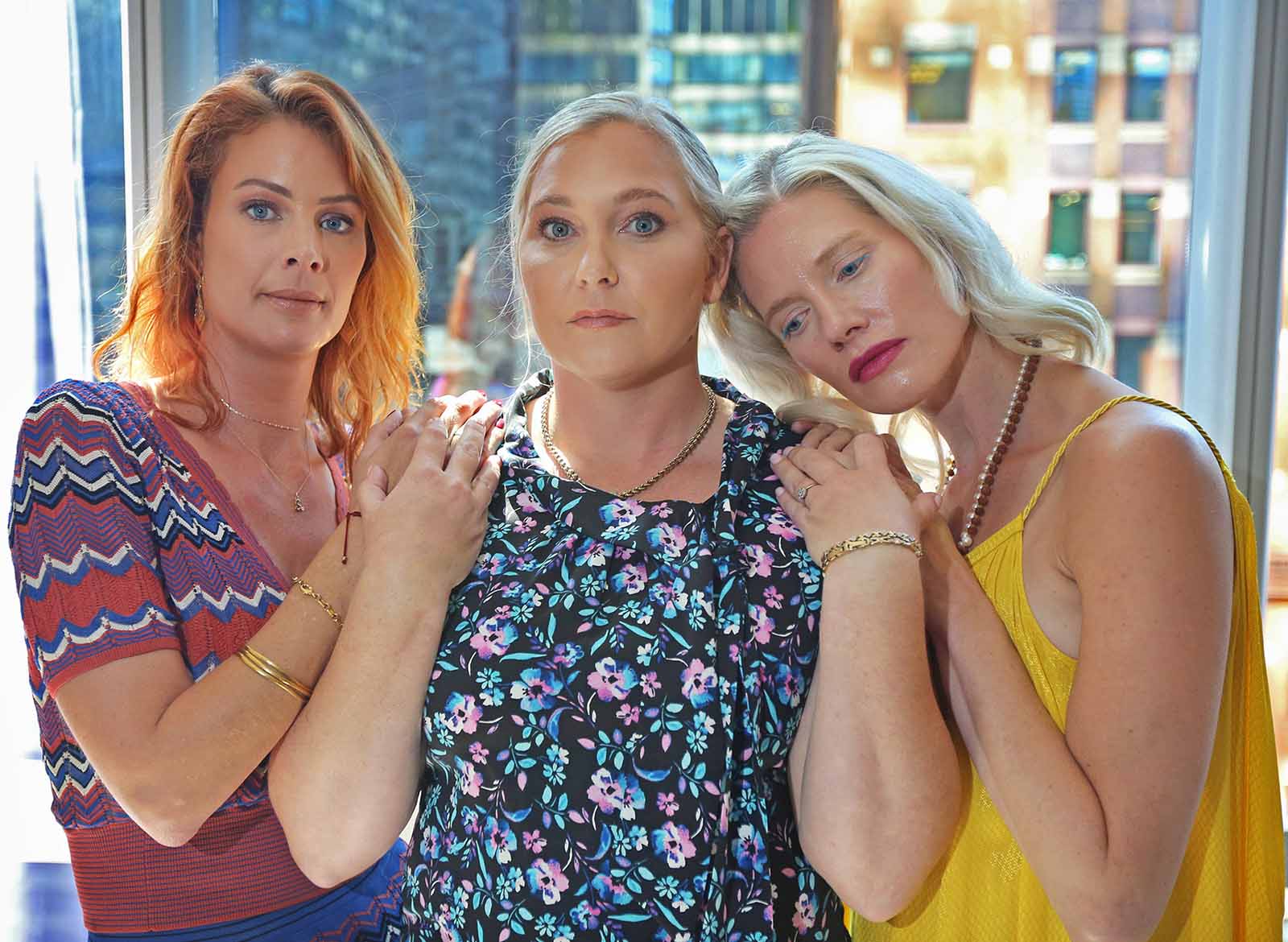
Bringing underaged girls for years
Anyone who’s even slightly familiar with Epstein knows this part. The convicted sex offender was known for bringing underaged girls to his island for years, even after he was convicted and forced to register as a sex offender.
Worse, he was ushering girls who, according to airport employees, looked no older than 16 out in the open, with no care as to who was watching. It seemed like Jeffery Epstein was invincible on his island, and nobody cared about the victims he was bringing with him.
Representatives for the Virgin Islands argue they knew nothing of Epstein’s activities on the island, nor of any bribery going on in the law enforcement to turn a blind eye on Epstein. But nonetheless, it’s very suspicious that since Epstein was on their sex offender registry, that no one said anything about him being with such young women.

The “Lolita Express”
Just as disgusting as the countless young women that visited Little St. James was the amount of older men who did so to sleep with these girls. In the flight logs, names like Prince Andrew, Bill Clinton, Donald Trump, Les Wexner, and Lawrence Krauss were shown to have visited the island on multiple occasions.
Travelling worldwide, Jeffrey Epstein would take girls around the world shopping before taking them back to his island. But allegedly, the victims were already being assaulted before they even landed on Little St. James. In parties organized by Ghislaine Maxwell, underaged girls would be assaulted by Epstein’s numerous guests on the plane.
This isn’t some little old private jet either. The plane known as the Lolita Express was a Boeing 727 passenger jet that normally could seat 200. But Epstein had it modified for his needs. This was a full-on party plane, destination sex trafficking if stories are true.
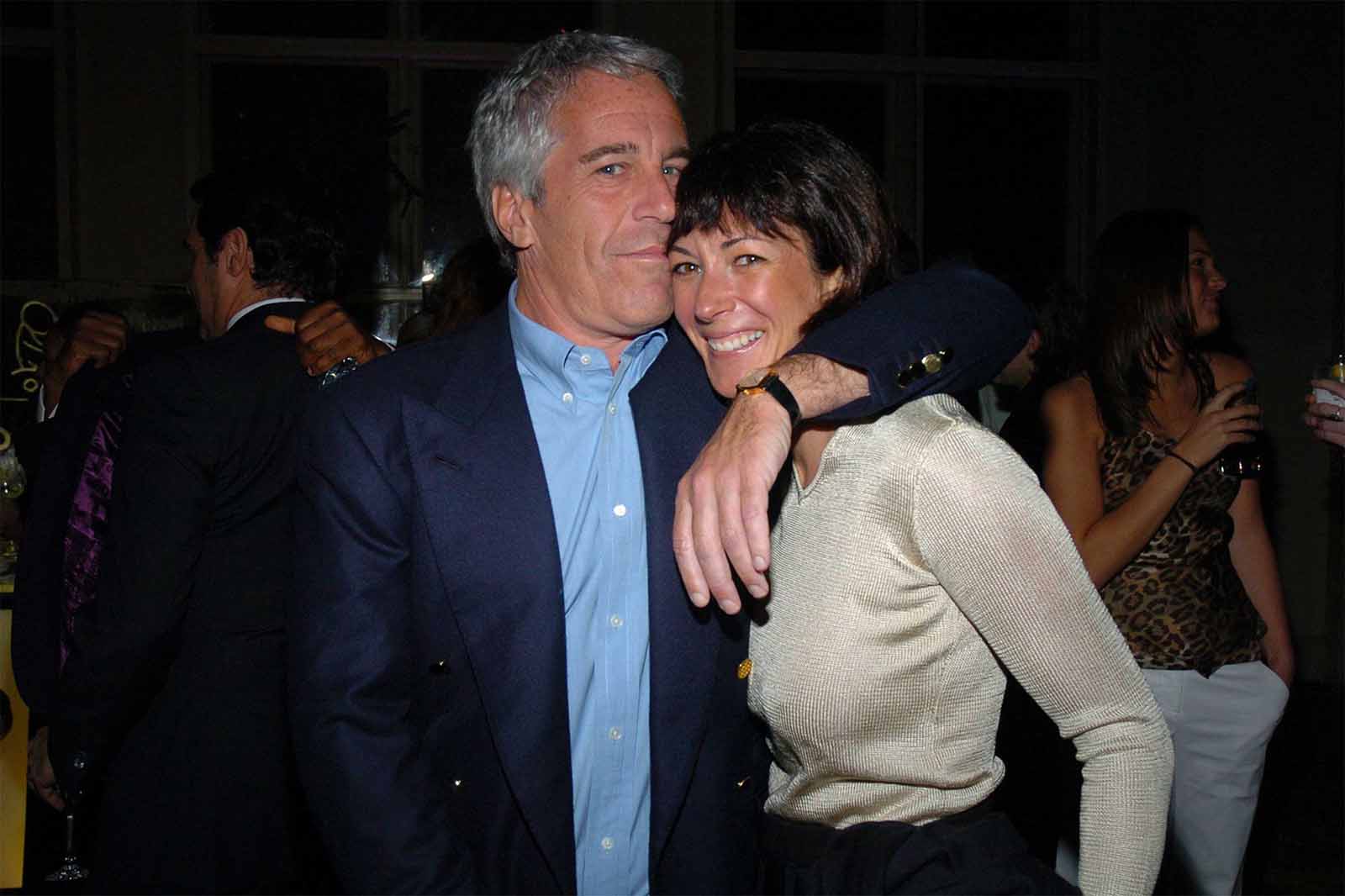
No one spoke up
It’s clear, based on a Vanity Fair interview with St. Thomas airstrip employees that the reason Epstein got away for so long is because no one spoke up. All the employees’ interviews echo a similar story: “We didn’t say anything because we thought law enforcement was doing their job to keep an eye on him.”
Most likely, this story rings true in all the cities that Epstein had a home base. Epstein got away with his parties involving underaged girls because everyone assumed someone else saw it and was dealing with it. But when everyone’s ignoring the problem, it’s impossible to solve it.
While justice cannot be served to Epstein, the courts have a chance to do right when Maxwell eventually goes to trial for sex trafficking charges as well.
 Jeffrey Epstein’s island: What exactly happened there? (2026 update)
Little St. James, the private Caribbean island owned by Jeffrey Epstein, remains one of the most scrutinized crime scenes that never fully became one. By 2026, a clearer picture has emerged—not through a single revelation, but through court records, witness testimony, flight logs, settlements, and what authorities failed to do while Epstein was alive.
What Little St. James was
Located in the U.S. Virgin Islands, Little St. James functioned as a secluded compound rather than a conventional vacation property. The island included multiple residences, staff quarters, docks, surveillance infrastructure, and the now-infamous hilltop structure often mislabeled a “temple.” The isolation was the point: controlled access, controlled movement, and plausible deniability for visitors.
What survivors described
Multiple survivors have independently described being trafficked to the island as minors, often after being recruited under false pretenses. Accounts include coerced sexual abuse, forced “massages,” and being instructed to entertain Epstein and his guests. Testimony consistently emphasizes power imbalance: young girls flown in, surrounded by adults, staff, and security, with no realistic means of refusal or escape.
By 2026, these accounts are no longer contested in principle. Civil settlements, sworn statements, and corroborating records have established that sexual abuse occurred on the island repeatedly over many years.
Who went there
Flight logs and visitor records confirm that Epstein ferried numerous high-profile individuals through the Caribbean. What they did once there varies—and remains the most legally unresolved aspect of the case. Some visitors have denied ever going to Little St. James specifically, others acknowledge visits but deny wrongdoing.
Critically, Epstein’s death ended the possibility of criminal trials that could have compelled testimony under oath. As a result, the island’s guest list is better documented than the behavior of those guests.
The role of staff and security
Workers on the island—pilots, boat crews, maintenance staff, household employees—have described a compartmentalized system. Many reported seeing young girls present, unusual schedules, and strict rules about access to certain areas. Others claim they were discouraged from asking questions or entering specific buildings.
No staff member was ever charged for crimes committed on the island itself. By 2026, this remains one of the sharpest criticisms of the investigation: the system around Epstein functioned without meaningful legal consequence.
Law enforcement and missed chances
Despite early warnings and prior convictions, Epstein retained control of Little St. James for years. Local and federal authorities conducted limited searches, but never a full forensic investigation while he was alive. After his death, evidence collection was constrained by time, legal barriers, and the lack of a defendant.
In effect, the island became a known crime location without a criminal proceeding capable of fully interrogating it.
What happened to the island
Little St. James was sold in 2023. Structures were slated for redevelopment. By 2026, the physical space has been partially transformed, but the site’s reputation remains fixed. No public memorial, archive, or official accounting exists on the island itself.
What we know now
By 2026, it is established that:
-
Epstein used Little St. James as a recurring site of sexual abuse.
-
Minors were trafficked there.
-
Multiple adults were present over time.
-
Financial power, jurisdictional complexity, and Epstein’s death prevented full accountability.
What remains unknown is the complete scope: who knew, who participated, who enabled, and who benefited.
Little St. James is no longer just a place. It is a case study in how wealth, isolation, and institutional failure can converge to protect abuse in plain sight—and how even overwhelming evidence can still stop short of full truth when the system allows it.