Pimp your own van with these creative campers
Hollywood has long loved its rolling shrines to excess. From the A Team van to the Mystery Machine and the Mutt Cutts van in Dumb and Dumber, the camper has always doubled as both transport and personality statement. The same impulse fuels today’s staycation crowd, who treat their vans less like background props and more like the main character.
The original Pimp My Ride ended in 2007, yet the custom culture it popularized never really left. The 2022 UK reboot on YouTube, hosted by Lady Leshurr and built at Wrench Studios, proved the appetite for outrageous makeovers still exists. While the new series kept the spectacle, most owners now want their vans to stay legal and livable.
Pimp my van?
Body shops still spray anything you can name and fit oversized springs, yet the conversation has shifted from chrome and spinners to solar arrays and modular storage. The goal is a vehicle that can sleep four, cook dinner, and pass an MOT without drama.
Current Market Trends
Post-pandemic demand has pushed the camper van market toward off-grid capability and remote-work features. Builders now prioritize reliable power systems, multi-functional interiors, and materials that survive long-term travel. Reports from Spherical Insights and Boujee Builds note that adventure tourism and electric mobility continue to drive growth into 2026, with buyers favoring vans that can work as both weekend escape and rolling office.
Road Racing
Northern Irish road racer Darren Gilpin spent years sleeping on the floor of his support van. In 2013 he bought a tired MAN horse box and turned it into a mobile workshop. The rear holds four full-size bikes on a tail-lift, while the front contains a double bed, fold-down singles, a kitchen, and a compact bar. Gilpin later took over Wilson Craig Racing in 2020 and has since retired from active competition, though the truck still travels to events as a rolling tribute to his DIY ethos.
Regulatory and Safety Updates
UK government guidance now stresses that any conversion must meet roadworthiness rules. Builders document weight distribution, gas installations, and electrical systems to avoid the non-roadworthy fate of some earlier TV show vehicles. Professional conversions often include warranties and DVLA registration support, giving owners clearer paperwork when they hit the ferry to the Continent.
Rustic
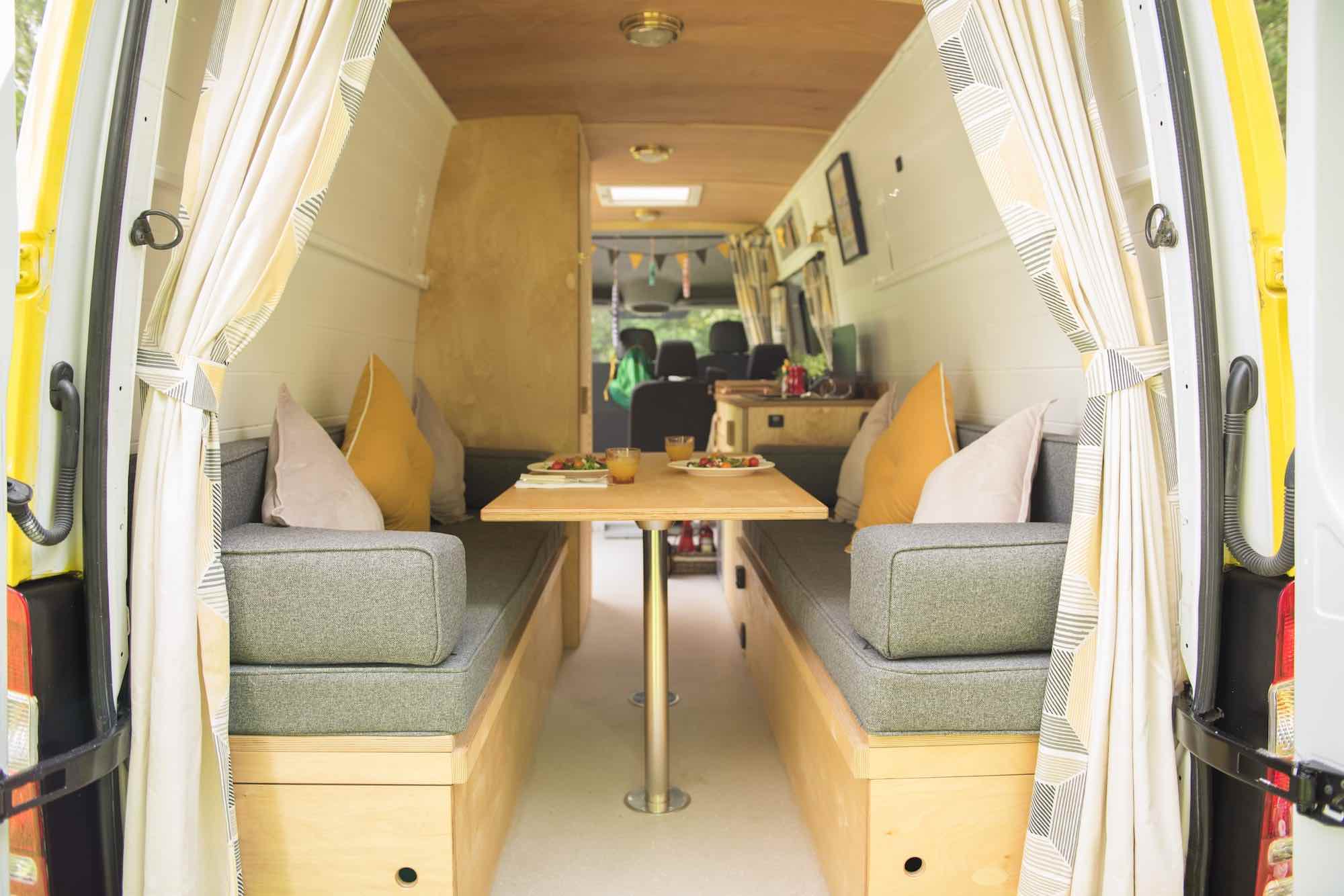
Herefordshire couple Bill and Beck Goddard turned their textile and carpentry skills into Quirky Campers around 2010. Their Mercedes Sprinter builds include full ovens, storage for four, and extendable awnings. The couple won the Great British Hire Awards in 2023 and still rent vans across the UK, letting travelers park under dark skies without light pollution.
Pimp My Ride Legacy and Revivals
The 2022 reboot kept the flashy spirit alive while reminding viewers that style and legality can coexist. Builders who watched the original series now apply the same attention to detail to solar setups and insulation rather than champagne fridges, proving the cultural influence of the show has simply evolved with the times.
Vera
Quirky Campers’ 2013 Peugeot Boxer known as Vera still turns heads with its fairytale styling and full-size wood burner. David and Lindsay, the husband-and-wife team behind the business, originally rented their first van Bella while volunteering in Africa. The fleet has grown, the website has been refreshed, and festival-goers can still book the vans for Glastonbury and other events.
Festival and Event Rentals
Quirky Campers has kept festival availability on the books since the early days. Their quirky designs double as both accommodation and conversation pieces at music events, giving attendees a way to stay on site without relying on crowded campsites or expensive hotels.
Going it alone
Budget builds remain popular. Katie and Ben completed their own conversion in a week, keeping costs low while still fitting the essentials. They described the result as functional and comfortable rather than luxurious, a reminder that DIY still works when the priority is reliability over Instagram gloss. Professional routes now start higher in price but emphasize compliance, giving owners two clear paths depending on skill, time, and budget.
The staycation scene has matured since the early 2010s. Vans are no longer just weekend novelties; they are legal, comfortable homes that can cross borders or park at festivals without raising eyebrows. Whether you commission a full build or grab a spanner yourself, the focus has shifted from spectacle to substance, and the road ahead looks steadier for it.