



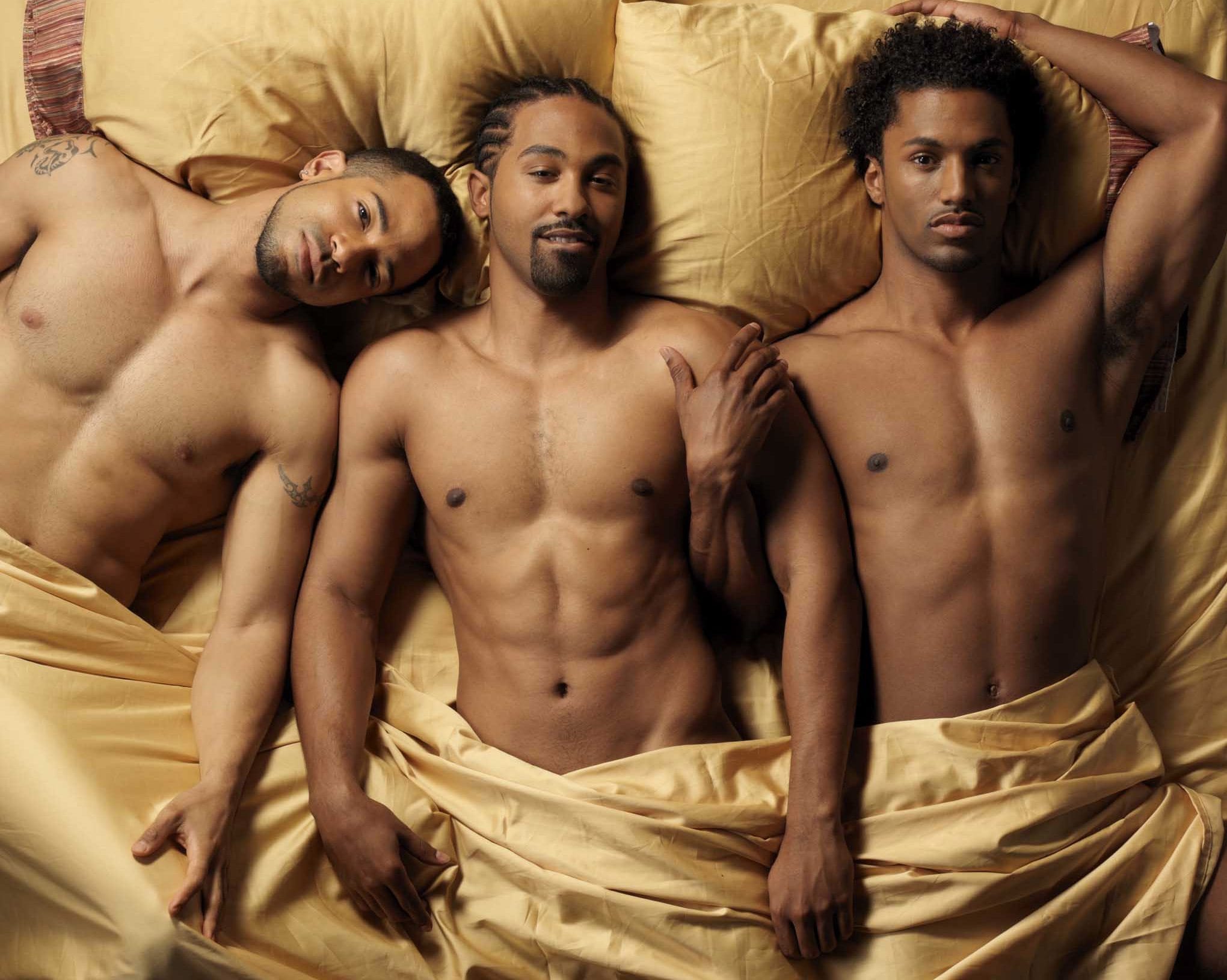
‘Noah’s Arc’ trailblazed being black and gay in Hollywood
In 2005, the Logo cable network launched a series called Noah’s Arc. Many of the incredibly loyal fans of the show referred to it as the black & gay Sex and the City – the four main characters loosely mirror the archetypes featured on HBO’s classic comedy. I played Noah, the hopeless romantic writer who spent the series (which amounted to two seasons and a feature film) in an on-again/off-again romance with Wade, the man of everybody’s dreams. The Carrie-Mr. Big similarities weren’t difficult to discern there. Noah’s three best friends were also not unlike Carrie’s crew of cosmo-connoisseurs. Ricky was the promiscuous party boy, Chance the uptight intellectual, and Alex a little too obsessed with his boyfriend. Granted, the black men on Noah’s Arc were grounded in very different realities than the well-to-do white women on Sex and the City. Alex performed in drag once, but he wouldn’t have been caught dead in Charlotte’s pearls or pink Chanel. Ricky’s HIV scare was resolved with much less drama than Samantha’s battle with cancer. And while Chance did drive his mini-van into someone’s living room to catch his husband cheating, he was far too proud to eat chocolate cake out of the trashcan like Miranda. In the ways Carrie and her friends gave women everywhere permission to talk about their sex lives and be fabulous on girls’ night out, Noah and his friends offered gay black men a new model of friendship & family we had never before seen on television. Sure, we had Queer As Folk, Will & Grace, and David & Keith on Six Feet Under. But Hollywood had never presented as amiable a group of unapologetically gay black men living full lives and balancing love & career, doing it all in bold, bright colors.
Post-series representation shifts
Since Noah’s Arc ended in 2008, we’ve seen a shift in programs featuring gay characters. With the exception of HBO’s Looking (which also encompassed two seasons and a feature film), there hasn’t been another Hollywood-backed series dedicated to a group of gay friends. Gay characters have instead been integrated into stories ostensibly aimed at more mainstream audiences, with supporting roles on hit cable dramas like The Walking Dead and Game of Thrones, and notable leads on network sitcoms like Modern Family and The Real O’Neals. Looking concluded with a 2016 movie special. Industry counts tracked by GLAAD show increased LGBTQ+ representation on streaming platforms between 2024 and 2025, while new projects through 2026 continue expanding visibility. It can certainly be argued that an increased presence in shows that appeal to broader populations serves to normalize the gay experience for more people, but fans of shows like Noah’s Arc are missing the camaraderie and coded cultural references that truly affirmed their own experience.
The 2025 Reunion Film
The Sex and the City cast is reportedly getting back together for a third film. While Sarah Jessica Parker insists on not being called a feminist, the current political climate could easily be countered by another film featuring independent women calling the shots. And Just Like That… concluded in 2025 after three seasons. Meanwhile, Noah’s Arc: The Movie premiered June 20, 2025 on Paramount+ to celebrate the 20th anniversary. The project reunited the original core cast with Patrik-Ian Polk directing and follows the 2020 special, exploring contemporary Black queer life through the same chosen family lens.
Legacy and Ongoing Influence
Twenty years after the original run, coverage of the 2025 project described Noah’s Arc as redefining Black queer love on screen. Cast members have reflected on stepping into the role of elders in representation, noting how the show modeled friendship, career ambition, and romantic messiness without apology. The anniversary timing brought renewed attention to the series’ place in a longer arc of ensemble storytelling that still feels scarce.
Author's Post-Series Journey
After the series wrapped, the actor who played Noah continued working in television and film, including a 2020 role on B Positive. In later interviews he has spoken about fatherhood alongside shifts in the industry for Black queer talent, describing both the persistence of gatekeeping and the new opportunities that emerged once streaming platforms began commissioning more inclusive stories.
Current State of Queer Ensemble Storytelling
While dedicated friend-group series remain rare, 2025 and 2026 industry roundups noted continued growth in gay male characters across streaming and the emergence of new Black queer ensemble projects alongside legacy revivals. These developments sit next to the integrated casting that has become more common since the late 2000s, creating a mixed landscape where both approaches coexist rather than replace one another.
While I don’t see Noah’s Arc making a comeback any time soon, I do believe stories featuring unapologetic queer folks of color in lead roles will offer solace and support to many who are fearful about some recent, sharp changes in the West’s sociopolitical climate. The 2025 reunion film stands as one concrete example of how those stories can still find space on major platforms two decades after the original series first aired.
