What is the meaning of Bella Ciao?
If you’ve been scrolling through the latest headlines, you might’ve caught wind of the chilling Charlie Kirk shooting case, where Bella Ciao was etched onto an unfired bullet casing—sparking fresh curiosity about this Italian folk tune’s deeper resonance. But the Bella Ciao meaning runs far beyond modern true-crime twists; originally a lament sung by exploited rice field workers in 19th-century Italy, it evolved into a defiant anti-fascist anthem during World War II, symbolizing resistance against tyranny and a cry for freedom that echoes in protests worldwide today.
The anti-fascist heartbeat
The anti-fascist heartbeat
Diving into the Bella Ciao meaning reveals a poignant tale of goodbye amid struggle—literally goodbye beautiful, it’s a partisan’s farewell to love and life while fighting oppression. Lyrics paint a rebel waking to an invader, vowing to resist or die free, a stark cry against Mussolini’s regime that still chills in its raw empathy for the fallen.
Historians trace its partisan version to 1940s Italy, where anti-fascist fighters adapted the rice workers’ melody into an underground anthem, sung in secrecy to rally against Nazi occupation. This evolution cemented its status as a symbol of defiance, far from the fields’ labor woes, embodying collective sacrifice without romantic gloss.
Recent news, like the sobering Charlie Kirk shooting where “Bella Ciao” marked bullet casings, underscores its enduring protest power—allegedly tied to anti-fascist sentiments, it highlights how the song’s meaning fuels modern resistance narratives, though twisted in tragedy, demanding we honor its roots amid today’s polarized echoes.

Global revivals
Unpacking the Bella Ciao meaning in today’s world shows its adaptability as a resistance symbol, from Indian political campaigns tweaking it to “Pishi jao” against rivals, to Sri Lankan protesters singing Sinhalese versions during 2022 unrest—each iteration honors its core of defiance without diluting the historical weight of labor and anti-fascist struggles.
News outlets highlight how the song’s essence surfaced in the 2023 Serbian protests, woven into movie soundtracks as an anthem, underscoring the Bella Ciao meaning as a timeless call against authoritarianism, even as far-right groups ironically repurpose it, sparking debates on its true leftist roots.
In the sobering context of the Charlie Kirk shooting, where casings bore Bella Ciao alongside anti-fascist taunts, the phrase amplifies the song’s protest legacy—yet experts warn against mislabeling modern figures as fascists, urging a nuanced grasp of its meaning to preserve the memory of real historical tyranny.

Pop culture echoes
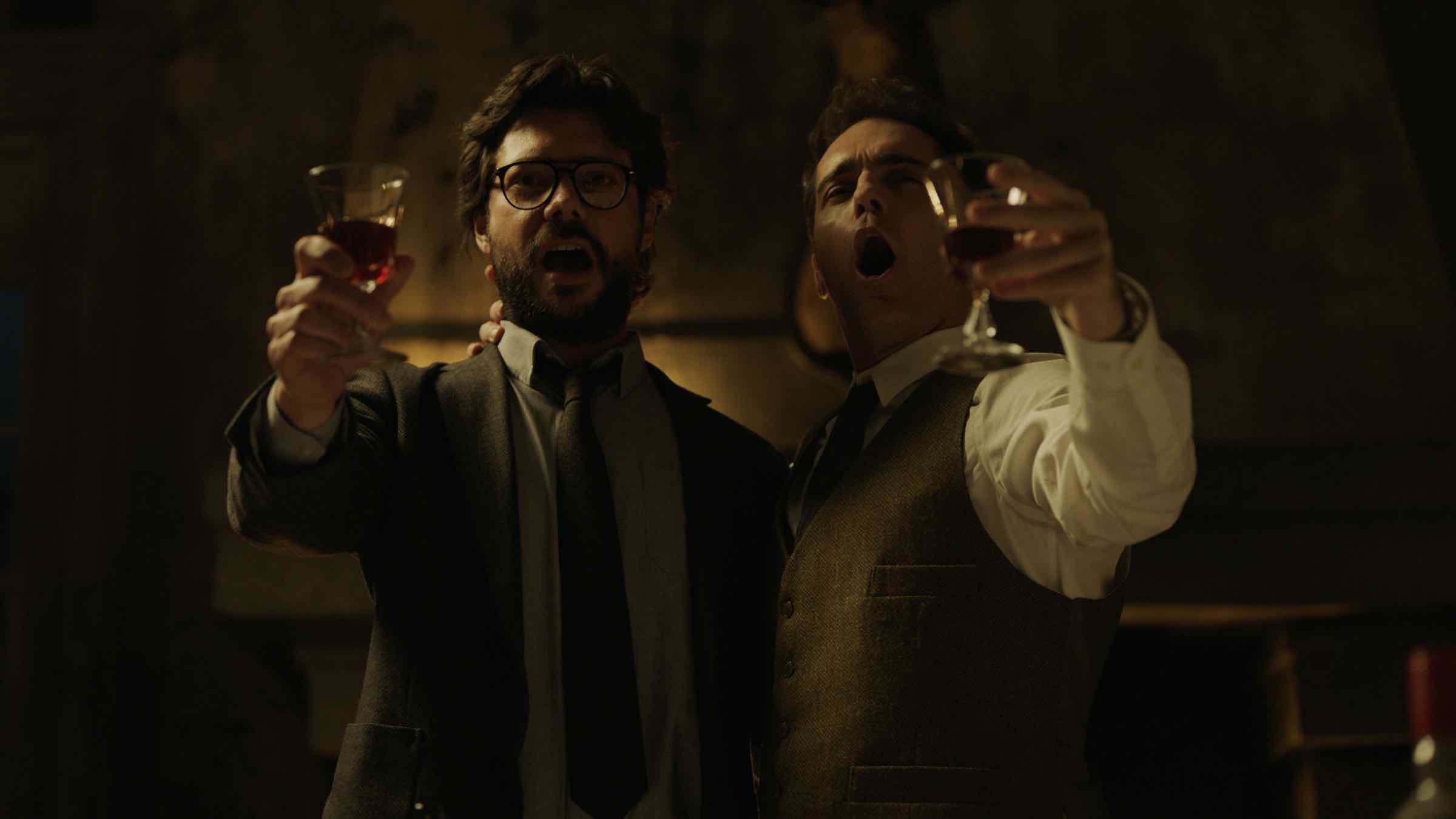
The Bella Ciao meaning gained explosive visibility through Netflix’s Money Heist where it’s the Professor’s resistance anthem against systemic corruption taught by his grandfather who fought Italian fascists—mirroring the song’s real WWII roots in a heist drama that blends high-stakes tension with historical homage captivating global audiences.
This surge in popularity sparked remixes and party versions irking purists who decry the dilution of its somber origins as Reddit threads lament zumba classes dancing to upbeat takes—yet it underscores the Bella Ciao meaning as an evolving symbol from solemn partisan hymn to modern entertainment staple without erasing its anti-oppression core.
Tying back to recent tragedies like the Charlie Kirk shooting where the inscription evoked anti-fascist defiance the song’s media portrayals remind us to approach its legacy thoughtfully—experts note how such uses can either honor or distort the Bella Ciao meaning urging empathy for its historical victims amid today’s fraught interpretations.

Resistance roots revisited
Exploring the Bella Ciao meaning further uncovers its origins among mondine women toiling in northern Italy’s rice paddies, their feet submerged in water for grueling hours under exploitative bosses— a raw protest against low wages and harsh conditions that predates its wartime adaptation, embodying early workers’ rights without glorifying the suffering.
This foundational layer of the Bella Ciao meaning, tied to 19th-century labor riots, influenced its partisan evolution, as historians note how the melody’s simplicity allowed seamless shifts from fields to foxholes, fostering unity in resistance without losing its empathetic core for the oppressed.
In light of the tragic Charlie Kirk shooting, where the inscription invoked anti-fascist defiance, the song’s meaning serves as a cautionary emblem—analysts stress honoring its history of genuine struggle, avoiding dilutions that could overshadow the real human costs of tyranny and exploitation.

Echoes that endure
Ultimately, the Bella Ciao meaning distills to unyielding resistance—against exploitation, fascism, and tyranny—forged in Italy’s rice fields and WWII battlegrounds, now reverberating in global protests and sobering crimes like the 2025 Charlie Kirk shooting. As news cycles evolve, its call for freedom reminds us to wield history’s anthems with care, honoring the fallen without distortion.