



Has Malaysia banned Coldplay from performing for 20 years?
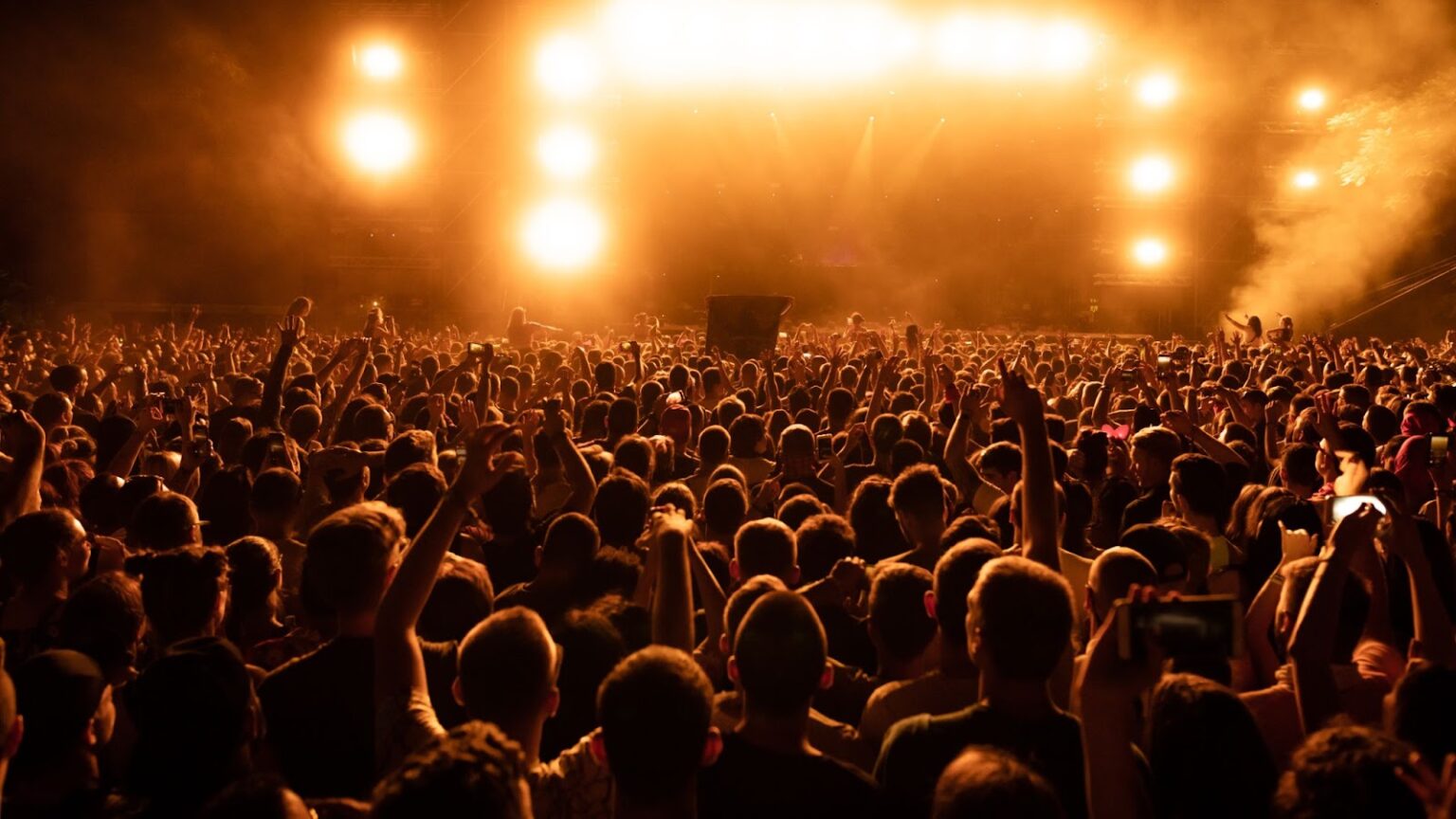
Malaysia’s concert scene still carries that undercurrent of tension, where every international booking feels like a negotiation between culture, religion, and the bottom line. Coldplay’s November 2023 show in Kuala Lumpur went ahead under the same watchful eye that once hovered over The 1975, yet the kill switch stayed unused and the stadium filled with more than 75,000 fans. The episode left the country asking how long the music can keep playing when politics keeps rewriting the set list.
A Political and Cultural Battleground
The flashpoint began with The 1975 at the 2023 Good Vibes Festival. Frontman Matty Healy’s onstage criticism of Malaysia’s anti-LGBTQ laws triggered the event’s cancellation and left the band blacklisted, a restriction still in place as of 2025. Conservative voices then turned their attention to Coldplay, accusing the group of promoting “hedonism and deviant cultures.” Prime Minister Anwar Ibrahim defended the booking by pointing to the band’s support for Palestinians, a stance that aligned with government messaging. The show happened without incident, but the episode underscored how quickly a single performance can become a referendum on national values.
Navigating the Crossroads of Culture and Politics
Artists such as Beyoncé and Kesha have already learned how quickly approvals can vanish under pressure. Lauv and Mamamoo faced similar cancellations in recent years. Ed Sheeran’s February 2024 concert cleared the same hurdles and took place without disruption, yet the pattern of selective approvals remains. The live sector contributed RM1.72 billion to the economy in 2025 from more than 450 concerts, up from RM553 million generated by 408 events the previous year. That growth sits beside ongoing permit disputes, especially for K-pop acts, showing that economic incentives have not erased the regulatory tightrope.
Post-2023 Concert Landscape
Coldplay’s Kuala Lumpur date marked the first major test after The 1975 controversy. Organizers prepared contingency plans, but the performance ran smoothly and set attendance records. Ed Sheeran followed months later, again without the plug being pulled. By 2025 the calendar had expanded to more than 450 concerts, generating RM1.72 billion and proving that demand had not cooled despite earlier scares. The data suggests the scene is resilient, yet every new booking still carries the memory of past cancellations.
Economic Growth and Incentives
Pre-pandemic figures once dominated discussions of the sector’s value. Updated numbers show steady expansion: RM553 million in 2024 from 408 concerts and nearly triple that amount the following year. The government has paired those returns with tax relief for local promoters and reductions for international acts. Visit Malaysia 2026 has been positioned as an additional catalyst, with officials hoping larger events can offset any losses from conservative pushback. The numbers make a clear case for continued investment, even as political risk lingers.
Persistent Permit and Regulatory Challenges
The 1975 blacklist has not been lifted, and festival organizers remain entangled in related litigation. In June 2025 the planned K-pop Big 2 Super Concert was cancelled after permit approvals fell through. Other K-pop bills encountered similar administrative blocks or last-minute “unforeseen circumstances” rulings. These setbacks echo earlier disputes involving Lauv and Mamamoo, reminding promoters that clearance can arrive late or not at all. The pattern shows that regulatory friction has outlasted any single headline controversy.
Evolving Political Dynamics Under Anwar
Anwar’s administration has maintained incentives for live events while fielding criticism from PAS and other conservative factions. The party continues to link concerts with “immoral behavior” and has pressed for tighter oversight at public universities. At the same time, the government has floated broader reform measures slated for 2026, including term-limit proposals that could reshape parliamentary priorities. The tension between economic promotion and religious conservatism remains unresolved, leaving future bookings dependent on shifting coalitions rather than fixed policy.
The geography of opinion has not changed: rural voters often back stricter controls, while urban audiences push for wider access. That split influences which permits clear and which stall. For now, the calendar keeps filling, but every new date still runs through the same political filter that nearly silenced Coldplay in 2023.
