Coming to an indie cinema near you this October
October 2017 brought a sharp slate of indie titles to screens, from intimate dramas to unsettling thrillers and pointed documentaries. The month mixed established auteurs with rising voices, and several entries later earned festival laurels or found new audiences on streaming platforms. The original release announcements captured the moment, yet the films have since accumulated awards, cult reputations, and career milestones for their directors.
Festival and Awards Highlights
Multiple titles from this slate collected major honors. The Square took the Palme d’Or at Cannes 2017, marking Ruben Östlund’s breakthrough on the international stage. 120 Beats Per Minute earned the Grand Prix at the same festival along with six César Awards, including Best Film. God’s Own Country won the World Cinema Directing Award at Sundance, boosting its profile before the UK theatrical run.
Critical Legacy and Cult Status
Nearly a decade on, a few titles have settled into lasting reputations. Tragedy Girls holds an 85 percent score on Rotten Tomatoes and continues to draw viewers for its sharp satire of the slasher genre and social-media obsession. 1922 stands among the stronger Stephen King adaptations, with praise for its restrained tone and Thomas Jane’s lead performance.
Documentary Spotlight: Aida’s Secrets
The WWII-era family investigation Aida’s Secrets remains a standout nonfiction entry. The film won the Audience Award at Docaviv and traces the reunion of two brothers separated as infants with their elderly mother, exposing long-hidden chapters of post-Holocaust history.
Streaming and Distribution Evolution
Platform shifts have altered how several of these films reach viewers. 1922 launched directly on Netflix, bypassing traditional theatrical windows in many markets. Wonderstruck arrived under the Amazon Studios banner, signaling the growing role of streaming financiers in the indie landscape by late 2017.
Directors' Career Trajectories
Many filmmakers from the October slate moved into higher-profile projects afterward. Yorgos Lanthimos followed The Killing of a Sacred Deer with The Favourite, earning multiple Oscar nominations. Östlund’s Palme d’Or for The Square capped a career peak that continued with later international releases. Francis Lee built on the Sundance success of God’s Own Country with subsequent features that explored similar themes of isolation and desire.
The October 2017 slate mixed intimate character studies with genre experiments and historical reckonings. Titles such as 120 Beats Per Minute, directed by Robin Campillo and distributed by The Orchard, captured early 1990s Act Up-Paris activism through the charged relationship between newcomer Nathan and militant Sean. Aida’s Secrets, from Alon Schwarz and Shaul Schwarz for Music Box Films, used newly uncovered WWII records to drive a family quest across continents. The Bachelors, Kurt Voelker’s Freestyle Digital Media release, followed a grieving father and son whose move across country leads to unexpected connections with two women who help them rebuild.
Zak Hilditch’s Netflix adaptation 1922 presented Stephen King’s novella through the unreliable narration of Wilfred James, who confesses to murdering his wife with their son’s help on a Nebraska farm. Chris Baugh’s Well Go USA title Bad Day for the Cut tracked a middle-aged Irish farmer living with his mother who turns to revenge after her murder. Luke Korem’s Sundance Selects documentary Dealt profiled blind card magician Richard Turner at sixty-two, revealing the discipline behind one of magic’s most guarded talents.
Yorgos Lanthimos’s A24 release The Killing of a Sacred Deer layered Greek tragedy, Hitchcockian suspense, and dark humor around a surgeon whose family faces inexplicable retribution. Camille Thoman’s Vertical Entertainment thriller Never Here blurred identity and voyeurism through an artist whose grip on reality frays under scrutiny. Tyler MacIntyre’s Gunpowder & Sky horror-comedy Tragedy Girls followed two death-obsessed teens who weaponize their true-crime podcast to terrorize their Midwestern town.
Todd Haynes’s Amazon Studios adaptation Wonderstruck interwove two children’s parallel searches across decades, one for an absent father and the other for a mysterious actress. George Clooney’s Paramount release Suburbicon peeled back the manicured lawns of a 1959 planned community to expose betrayal and racial tension beneath the surface. Marc Forster’s Open Road drama All I See Is You examined a marriage strained when a blind woman regains her sight and begins to question everything she thought she knew.
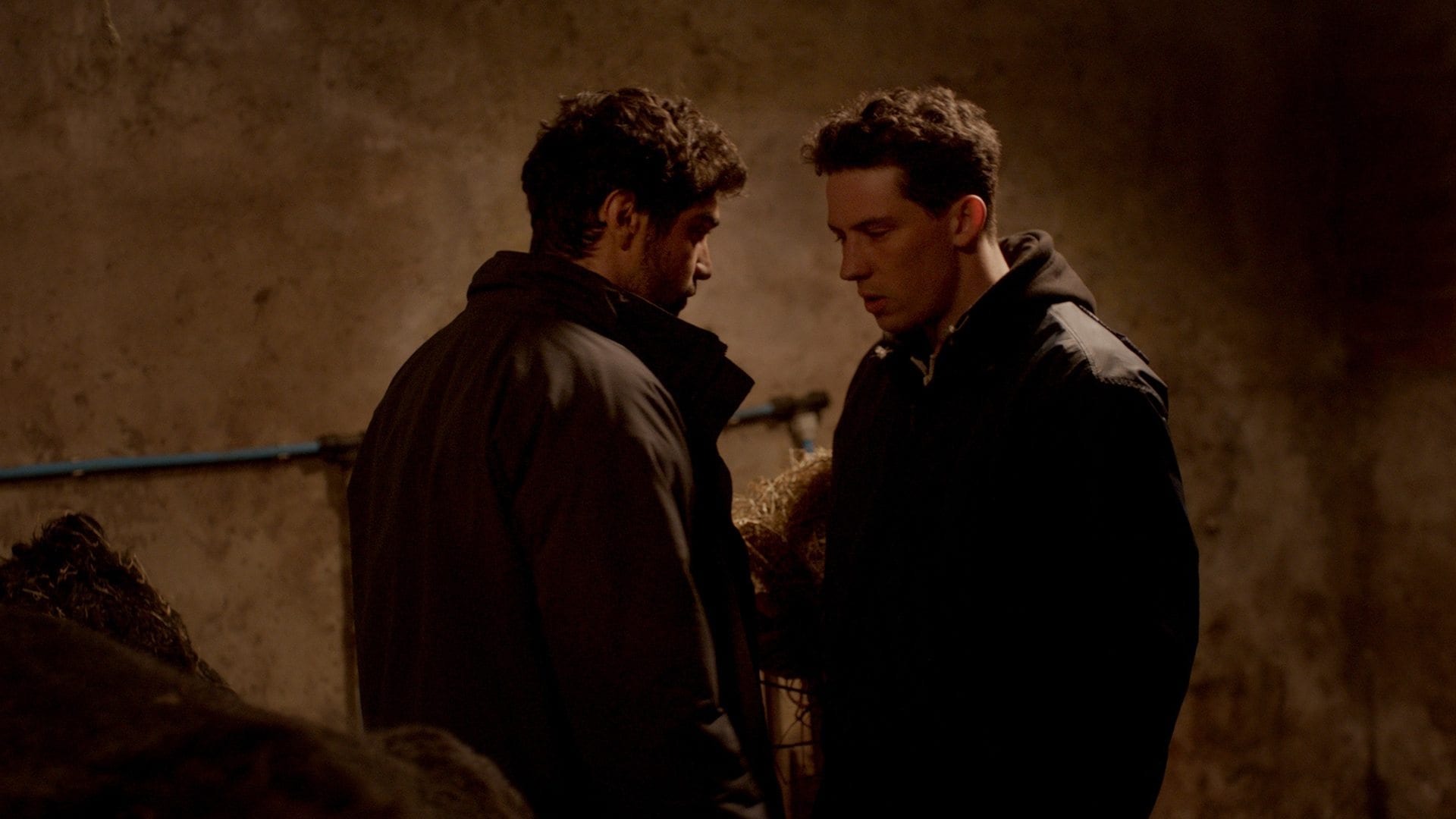
Alain Gomis’s Strand Releasing drama Félicité followed a proud singer in Kinshasa racing to raise money after her son’s accident, moving through the city’s music-soaked nights. Francis Lee’s Orion Pictures and Samuel Goldwyn release God’s Own Country charted a Yorkshire farmer’s unexpected romance with a Romanian migrant worker that forces him to confront long-buried emotions. Petra Biondina Volpe’s Kino Lorber title The Divine Order placed a dutiful Swiss housewife at the center of her town’s 1971 suffrage movement after her husband forbids her from taking a job.
The multi-director anthology The Heyday of the Insensitive Bastards, released by Front Row Filmed Entertainment, linked stories of ambition, memory, and regret drawn from Robert Boswell’s fiction. Noël Wells’s Paladin comedy Mr. Roosevelt tracked a struggling Los Angeles comedian who returns to Austin when a family member falls ill and collides with her ex and his intimidating new partner. Margaret Betts’s Sony Pictures Classics drama Novitiate followed a young woman from rural Tennessee drawn into the cloistered intensity of a Catholic convent.
Ruben Östlund’s Magnolia release The Square placed a contemporary-art curator in an ethical spiral after an installation meant to promote altruism exposes his own contradictions. Together the films sketched a month when indie cinema balanced personal reckonings with larger social questions, and many of those questions still resonate in later festival circuits and streaming queues.