



Trending News
Not everyone can afford to buy a new Nissan car from the automobile dealership. Here's what you need to know.

What to pay attention to when buying a used car from an automobile dealership

Not everyone can afford to buy a new Nissan car from the automobile dealership. Therefore, there is a high demand for vehicles in the after-market. Not to buy a pig in a poke, many people prefer to ask the specialists of the car service to inspect the used car before buying it. 

And only after making sure that the cost requested for the vehicle is justified, they buy the car. Such an approach helps prevent all the risks and potential expenses associated with fixing a severe car breakage.

In order not to be deceived in such cases, it is necessary to diagnose a used Nissan before paying money for it. This will allow you to identify problem areas of the chassis and engine that are not visible visually, especially for people with no experience. So, what to pay attention to when assessing the condition of a used car?
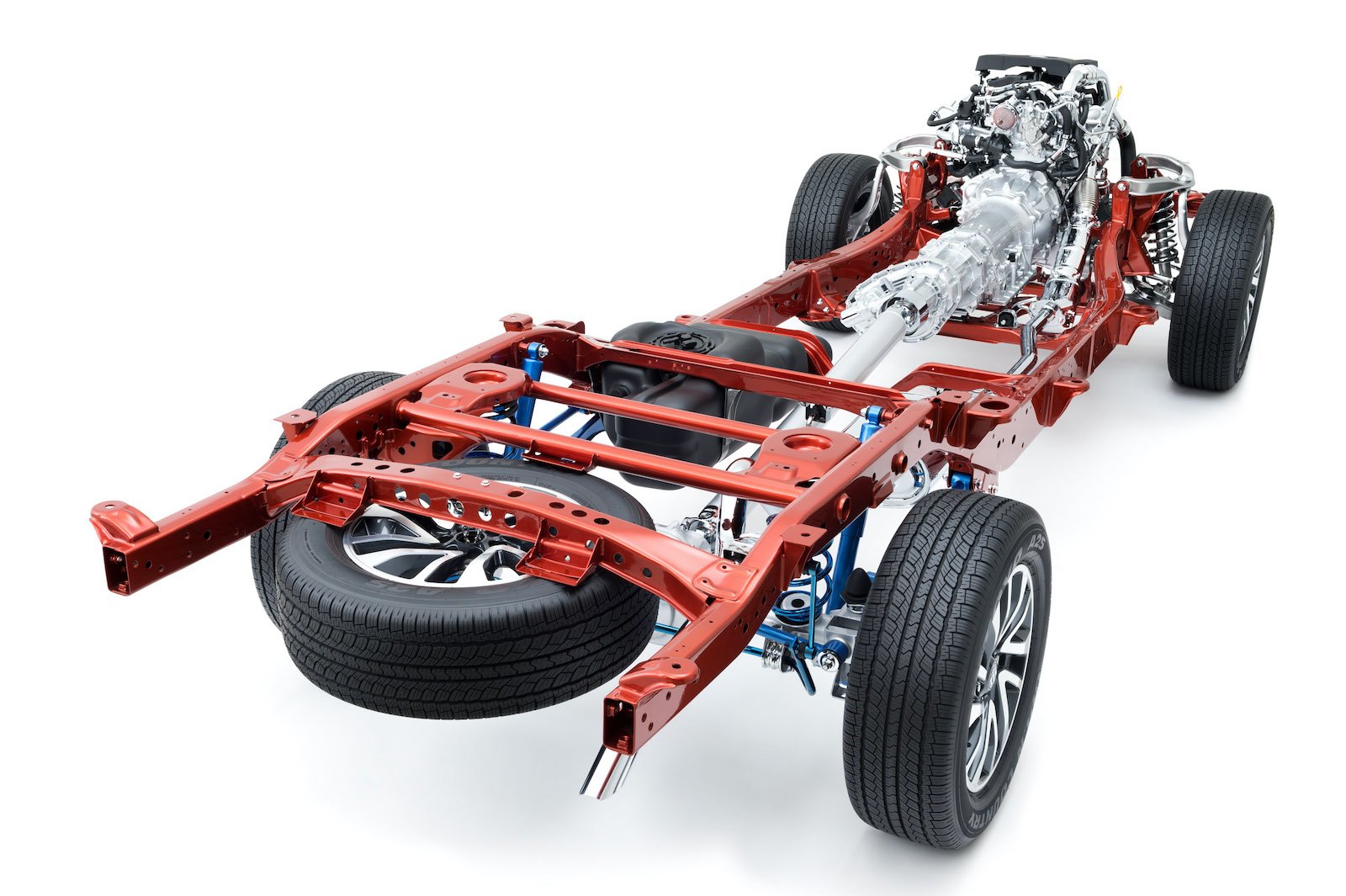
Level 1 Evaluation: Chassis

The pre-purchase inspection of a used vehicle should begin with a chassis diagnosis. After diagnosing its condition and comparing it with the mileage, the car service specialists can say how smoothly the car was operated. 

In the process of diagnostics, parts with critical wear will be identified, and it will also be determined what types of repair work will have to be performed in the near future. Such diagnostics of a used car provides for the following list of works:

  • Reviewing parts for mechanical damage, matching gaps between paired components, and the lack of the backlash;
  • Reviewing the tightness of shock absorbers by visual inspection for oil drips;
  • Reviewing used cars before buying for the absence of backlash between the steering parts;
  • Reviewing the tightness of the CV joints;
  • Diagnostics of the hub bearings;
  • Reviewing the tightness of the brake hoses.

Only if all the above are performed, inspecting the car before buying will be the most accurate.


Level 2 Evaluation: Engine Diagnostics

Experienced drivers are able to determine by the sound whether a power unit is malfunctioning, but this is not enough to accurately understand its technical condition. In this case, computer diagnostics will help when buying a used car. This pre-purchase inspection of a used car allows you to determine how soon repairs will be required and how much it will cost.
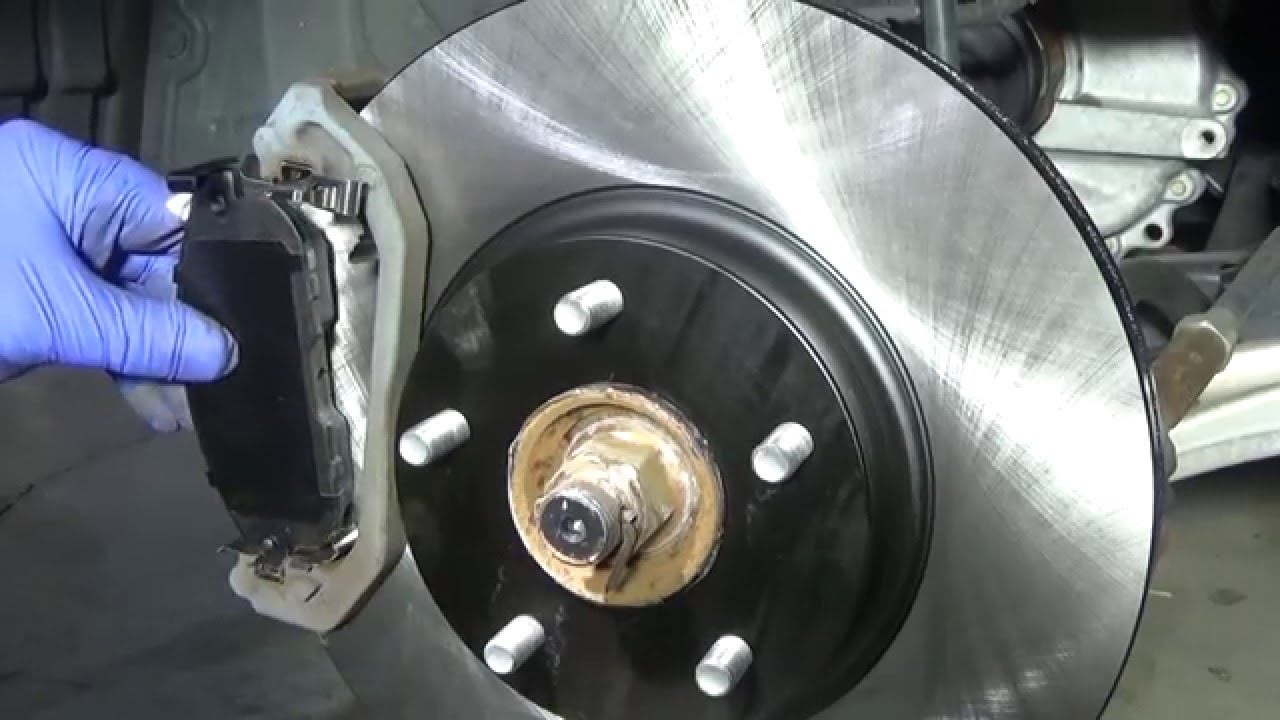
Level 3 Evaluation: Brake and Coolant Inspection

Inspection of a used car before buying does not provide for opening the power unit; you can only evaluate the condition of technical fluids and seals. There should be no engine oil leakage and an incorrect layout of the combustible mixture. It is possible to determine the discrepancy between the fuel and air layout using a gas analyzer. 

In workshop conditions, this piece of equipment determines the oxygen concentration in the exhaust gases. Such an inspection of a used car allows you to find out how synchronously the fuel and air supply systems work, as well as identify problems with the crankshaft sensor or ignition.

What to pay attention to when buying a used car from an automobile dealership (2026 update)

Buying a used car from a dealership still offers advantages over private sales—warranties, financing options, and legal protections—but it also comes with risks that buyers often underestimate. In 2026, inventory shortages, higher repair costs, and aggressive pricing tactics make due diligence non-negotiable.

Vehicle history is necessary but not sufficient
Always request a full vehicle history report. Look beyond accidents. Pay attention to ownership gaps, repeated short-term owners, fleet or rental use, and mileage inconsistencies. A clean report does not guarantee a healthy car. It only confirms what was recorded.

Service records matter more than mileage
A higher-mileage car with consistent servicing is often safer than a low-mileage car with gaps. Ask for documented maintenance: oil changes, timing belt or chain service, brake replacements, recalls completed. Dealerships may say records are “unavailable”—treat that as missing data, not reassurance.

Dealer inspection reports are not independent
Many dealerships provide a multi-point inspection checklist. Read it, but do not trust it blindly. These reports are internal documents designed to support a sale. If possible, pay for an independent inspection or at minimum examine wear items yourself: tires, brake thickness, suspension noise, leaks under the engine bay.

Warranty terms hide in the fine print
“Certified” and “extended warranty” sound comforting, but coverage varies wildly. Clarify what is excluded: electronics, infotainment, sensors, batteries, hybrid systems. Ask about deductibles, claim limits, and whether repairs must be done at the selling dealership. A warranty that cannot be practically used has little value.

Pricing games intensified in 2026
Sticker price is rarely the real price. Watch for add-ons: documentation fees, reconditioning fees, mandatory accessories, protection packages, nitrogen tires, VIN etching. Ask for an out-the-door price early. If it keeps changing, that is the signal.

Financing can erase a good deal
Dealership financing often includes marked-up interest rates even when you qualify for better terms. Always check the APR, loan length, and total repayment. Longer loans reduce monthly payments but increase total cost and trap buyers in negative equity. Pre-approval from a bank or credit union strengthens your position.

Test drives should be structured, not casual
Drive on different road types: city, highway, rough surfaces. Listen for transmission hesitation, steering pull, braking vibration, suspension noise. Test all electronics. Modern cars fail quietly and expensively; warning lights are no longer the first sign.

Return policies are rare—assume none
Most used car sales are final. Cooling-off periods are limited or nonexistent in many regions. Any promise made verbally should be written into the contract. If a salesperson says “we’ll fix that after purchase,” assume it will not happen unless documented.

Sales pressure is data
Urgency tactics—“another buyer is coming,” “price expires today,” “inventory is moving fast”—are signals, not facts. A solid used car with fair pricing survives scrutiny. Rushed decisions benefit the dealership, not the buyer.

Know the dealership’s reputation
Online reviews still matter, but patterns matter more than star ratings. Repeated complaints about paperwork errors, post-sale service denial, or surprise fees are meaningful. One bad review is noise. Ten similar ones are information.

Buying a used car from a dealership in 2026 is less about trust and more about verification. The paperwork, pricing structure, and after-sale reality deserve as much attention as the car itself.

Share via:
Sponsored Post