A Complete Guide to Fish Scale Cocaine
Fish scale cocaine has long carried a certain mystique on the street, its name evoking a pearly, iridescent flake that dealers promise is stronger and cleaner than ordinary powder. The term itself is a visual shorthand rather than a lab-verified grade, and the reality of what ends up in the bag is more complicated than the marketing suggests.
Understanding the substance requires separating street lore from documented pharmacology, production trends, and health data. This guide walks through what fish scale cocaine actually is, how its potency differs from standard cocaine, the documented risks, and the wider context that keeps it in circulation.
What is Cocaine?
Cocaine is a potent neuro-stimulant drug used as a recreational drug. It's a white, powdery form that can be smoked, snorted, or dissolved before injecting intravenously. Cocaine was once the second most well-known illegal drug, second only to marijuana. Since marijuana is legal in certain states, cocaine is now number one. You can buy fishscale cocaine online if you are interested in it. Global production has continued to rise even as local drug rankings shift by jurisdiction.
What Is Fish Scale Cocaine or Fish Scale Powder?
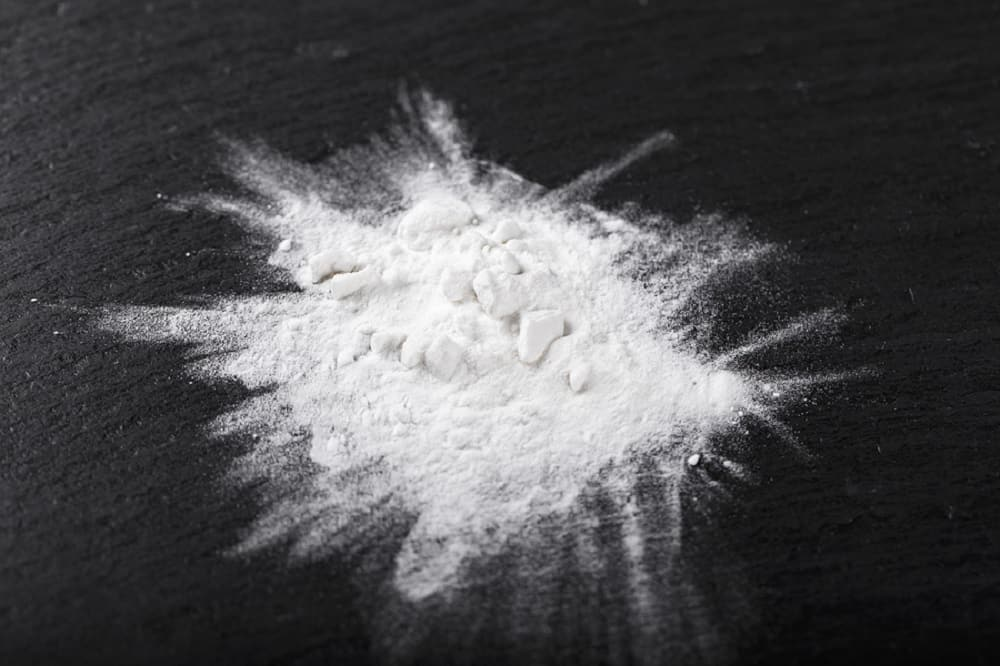
As previously mentioned, the fish scale drug is a potent type of cocaine that is beautiful. Due to its superior quality, the fish scale cocaine may be up to three greater expensive than conventional cocaine that, when it is sold on the black market, is less than 60 per cent pure. However, fish scale cocaine is 100 per cent pure and generally has fewer cutting agents and additives. Fish scale cocaine may be consumed in various ways, including smoking, snorting, or dissolving before being injected intravenously. The side effects of fish-scale cocaine are comparable to those of other forms of cocaine; however, due to its increased power, they can be significantly more extreme. Street sources and treatment reports from 2024-2025 consistently place typical fish scale batches in the 80-90 percent range rather than absolute purity, with the signature flaky, pearly appearance resulting from crystalline structure rather than guaranteed absence of contaminants.
Global Trends and Availability
UNODC data show global cocaine production reached roughly 4,100 metric tons in 2024, a fourfold increase since around 2014. Past-year users worldwide rose to an estimated 25 million in 2023, up from 17 million a decade earlier. That surge in supply has kept high-purity product more visible in certain markets even as enforcement and pricing fluctuate. The increase reflects expanded cultivation and refining capacity in source countries, with downstream effects on street availability and perceived quality.
Common Adulterants and Contaminants
Even batches described as fish scale can contain pharmacologically active adulterants. Levamisole, a veterinary dewormer linked to skin necrosis and immune suppression, has appeared in cocaine supplies for years. Fentanyl and other synthetic opioids have also been detected in some samples, raising overdose risk beyond what cocaine alone would produce. High-purity claims do not eliminate these risks, and no visual inspection can confirm the absence of such substances. Laboratory testing remains the only reliable method for identifying what else may be present.
Can Fish Scale Cocaine Have Side Effects?
The purity of fish-scale cocaine is higher and, thus, more potent than regular cocaine. It means it's more hazardous, and adverse effects could be more serious. The most common signs and adverse effects associated with using pure cocaine include the following:
- Hyperstimulation
- Paranoia and anxiety
- Paranoid psychosis
- Hyperactivity
- Hallucinations
- Tactile hallucinations
- Panic attacks
- An increase in blood pressure
- Stroke
- Heart rate raised
- Appetite loss
- Heart attack
- Overdose
- Nausea
The high that cocaine induces and the brief duration of the high frequencies cause users to take it evermore. Those who aren't experienced and aren't yet able to develop a tolerance to the substance are susceptible to overdose and even death. Higher purity intensifies cardiovascular strain through vasoconstriction, which can trigger heart attack, stroke, or arrhythmia at lower doses than expected. Long-term users face additional risks from dopamine system changes that contribute to persistent depression and elevated relapse rates. Furthermore, long-term addicts are more at risk of being diagnosed with severe depression and suicidal ideas. This type of depression has been recognized to last long after the user is clean and sober. Another adverse effect of pure cocaine is that the relapse of the drug is much more severe than with regular cocaine. Since pure cocaine dramatically increases neurotransmitters and chemicals in the brain more than chronic cocaine, the recovery from the artificial stimulant can cause users to experience adverse reactions, such as extreme depression, irritability, and anxiety. Research well if you wish to buy cocaine online!
Legal Status and Penalties
Cocaine remains classified as a Schedule II controlled substance under U.S. federal law, meaning it has recognized medical uses but carries severe penalties for unauthorized possession, distribution, or manufacture. Federal sentencing guidelines impose mandatory minimums based on quantity, and many states add their own enhancements for proximity to schools or prior convictions. These statutes apply regardless of street name or claimed purity, and enforcement continues to target both large-scale trafficking and smaller possession cases.
Environmental Impact of Cocaine Production and Use
Recent studies have detected cocaine and its metabolites in surface waters and aquatic organisms across multiple continents. The compounds enter waterways through wastewater and runoff from production sites. Laboratory research has documented behavioral changes in fish exposed to these residues, including altered swimming patterns and increased anxiety-like responses. While the full ecological scope is still being measured, the presence of these substances in natural systems adds another layer to the broader consequences of production and use.
Is it possible to tell the difference between bad and good cocaine?
There are various ways cocaine can be tested for purity; however, the majority aren't precise. Certain dealers conduct tests such as a burn test, melting point test, or bleach test to find the quality of the drug. These tests do not reveal what contaminants have been added to cocaine; therefore, there's no way to determine the product quality you're buying. Determining the purity of a substance by simply looking at the substance doesn't do the trick either. Since cocaine comes in a white crystallized powder, and most of the impurities or additives it's made of are too, simply watching the specimen won't reveal anything. It is impossible to tell what the purity of the cocaine you purchase is from only sight. Forensic consensus holds that accurate identification of both purity and adulterants requires laboratory methods such as GC-MS, HPLC, or FTIR. Field tests carry documented false positives and negatives and cannot rule out pharmacologically active contaminants.
The gap between what fish scale cocaine is marketed as and what actually reaches users remains wide. Production data, health records, and forensic findings all point to the same conclusion: higher purity does not equal safety, and no simple test can substitute for verified analysis. Anyone encountering the substance faces the documented cardiovascular, neurological, and psychological risks that accompany its use, compounded by the uncertainty of what else may be present.