



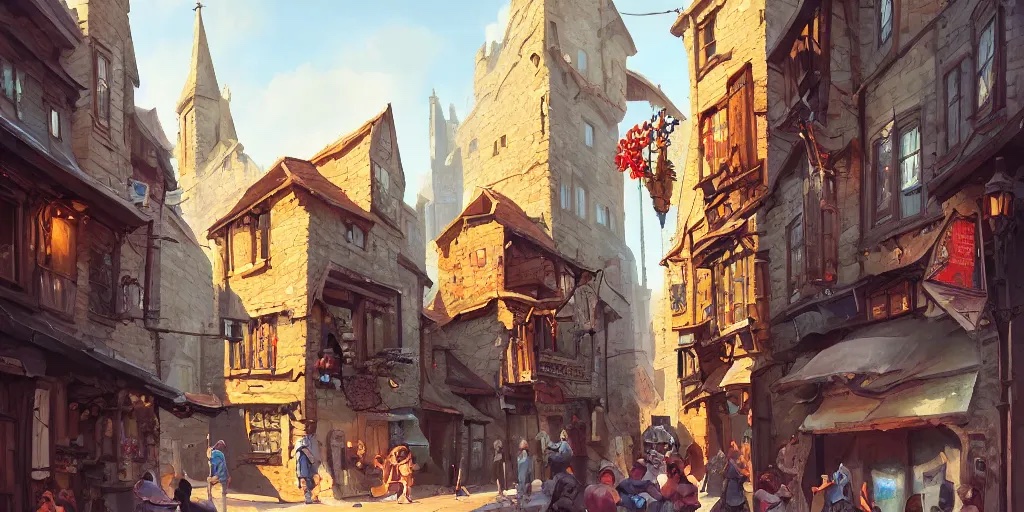
The Enchanting Charms of Narrow Streets: A Stroll Through the Heart of a Village
In the heart of quaint villages, where time seems to slow and the echoes of history whisper through the air, narrow streets stand as silent storytellers of bygone eras. These charming passageways, adorned with cobblestones and framed by centuries-old architecture, create a tapestry of nostalgia, capturing the essence of simpler times. In this exploration, we embark on a stroll through the narrow streets of a village, uncovering the unique allure that makes them both a window to the past and a haven for contemporary charm. Click here to read more.
Timeless Architecture
Narrow streets in villages often boast cobblestone pavements, worn smooth by the passage of countless footsteps over the years. These ancient stones bear witness to the stories of generations, carrying the weight of history beneath the soles of modern-day wanderers. The rhythmic clatter of footsteps against the cobblestones creates a soothing melody, inviting residents and visitors alike to traverse the village's labyrinthine paths.
The architectural charm of narrow village streets resides in the quaint facades that flank them. Buildings adorned with ivy-clad walls, wooden shutters, and flower-filled window boxes create a picturesque scene straight from the pages of a storybook. Intricate details, such as wrought-iron balconies and centuries-old doorways, offer glimpses into the craftsmanship of eras long past, transporting visitors to a time when each building had its tale to tell.
A Journey Through Time
Narrow village streets serve as portals to the past, providing a tangible connection to the history that has shaped the community. Each cobblestone, each weathered facade, is a page in the village's story. Historic landmarks, such as ancient churches, town squares, and traditional marketplaces, dot the labyrinth of narrow streets, offering a glimpse into the rich tapestry of the village's heritage.
Every village street is imprinted with the stories of those who walked its paths before. From the clatter of hooves pulling carts to the hushed footsteps of villagers going about their daily routines, the stones beneath the feet of contemporary visitors hold echoes of a time when the village was the center of community life. These streets are living records, inviting exploration with an open heart and a keen appreciation for the layers of history they carry.
Community and Local Culture
Narrow village streets serve as intimate gathering spaces where the community comes together. The cozy dimensions of these streets encourage spontaneous conversations, impromptu meetings, and a sense of camaraderie among residents. Whether it's neighbors catching up on the latest news or children playing traditional games, the streets become an extension of communal living, fostering a close-knit atmosphere. Rural tourism studies show these spaces deliver measurable economic benefits while creating new pressures on daily life and heritage conservation.
Lining the narrow streets are charming local shops and artisanal boutiques, each offering a curated selection of goods that reflect the unique character of the village. From handcrafted pottery to locally sourced produce, these establishments contribute to the tapestry of the village's identity. Strolling through these streets becomes a sensory experience, with the aromas of freshly baked bread and the colors of vibrant produce painting a vivid picture of local life.
The Art of Slowing Down
In the bustling pace of the modern world, narrow village streets serve as tranquil retreats where time seems to slow down. The limited width of these paths discourages the hurried rush, inviting pedestrians to savor each step and take in the surroundings. The absence of vehicular traffic amplifies the peaceful ambiance, allowing visitors to connect with the village at a leisurely pace. Small towns are now layering Complete Streets principles onto these historic corridors to improve walkability and accessibility while keeping the original character intact.
Narrow streets are adorned with contemplative corners—charming nooks and crannies that beckon passersby to pause and reflect. Secluded benches, hidden gardens, and cozy alcoves offer opportunities for quiet contemplation, encouraging residents and visitors alike to appreciate the beauty of the village and the simplicity of the present moment. Funding and capacity gaps still complicate full accessibility upgrades in many rural settings.
Seasons of Change
Throughout the seasons, narrow village streets transform colors and scents. In spring, cascading wisteria drapes buildings in a purple embrace, while summer sees window boxes bursting with vibrant blooms. Autumn carpets the cobblestones with fallen leaves, and winter brings a hushed serenity as snow blankets the village, turning it into a magical winter wonderland. Seasonal tourism patterns continue to follow these natural cycles, with shoulder months offering quieter visits.
Narrow village streets are often the focal points of local festivals and celebrations. Whether it's a lively procession through the streets, a traditional market fair, or a jubilant celebration of cultural heritage, these events bring vibrancy to the village. The narrow streets, adorned with colorful banners and filled with the sounds of laughter and music, become the stage for communal joy and shared traditions.
Preservation and Adaptation
Preserving the charm of narrow village streets requires a delicate balance between honoring tradition and adapting to contemporary needs. Many villages actively engage in heritage conservation efforts to protect the historical integrity of their streets while ensuring they remain accessible and functional for residents and visitors alike. Main Street America’s 2025–2026 policy agenda highlights mixed-use preservation strategies that keep historic fabric viable for new economic uses.
Innovative adaptations, such as the conversion of historic buildings into modern cafes or art galleries, breathe new life into narrow streets. These creative endeavors not only contribute to the economic vitality of the village but also attract a diverse range of visitors who can appreciate the harmonious blend of history and contemporary culture. Adaptive reuse projects across small towns continue to turn underused structures into mixed-use assets without erasing original details.
Tourism Pressures and Community Resilience
Recent years have brought sharper attention to overtourism in villages whose narrow streets were never designed for crowds. European communities are testing visitor caps, entry fees, and quiet-season campaigns in 2025 and 2026, hoping to protect both pavement and daily routines. Local resistance has grown where foot traffic overwhelms the same cobblestones that draw travelers in the first place.
Residents weigh the revenue from visitors against the strain on housing, waste systems, and neighborly calm. Some villages now steer promotion toward lesser-known routes and shoulder months, giving both streets and locals a chance to breathe. The goal is steady, not frantic, interest that respects the scale of the place.
Accessibility and Inclusive Design
Complete Streets work in small towns is slowly reaching historic cores, adding subtle ramps, better lighting, and wider passing spots without flattening the original profile. These tweaks let more people move through narrow lanes comfortably while the surrounding facades stay untouched.
Funding remains uneven. Rural projects often compete for limited grants, and tight budgets force creative sequencing of upgrades. The most successful efforts treat accessibility as part of preservation rather than a separate project, keeping the streets usable for generations ahead.
Sustainable Tourism Practices
Portugal’s Historic Villages Program and similar efforts elsewhere treat narrow streets as living assets rather than static postcards. The focus is low-impact visits that support local businesses without pushing housing costs out of reach for residents.
Reviews of rural tourism show clear trade-offs. Income rises, yet heritage can erode if growth outpaces planning. Villages that set clear carrying capacities and tie lodging revenue to maintenance funds tend to keep both charm and community intact longer.
Digital and Virtual Exploration
High-resolution mapping and virtual walkthroughs now let people wander narrow streets from anywhere, easing physical pressure on the real lanes. Interest in underrated villages has grown as travelers seek uncrowded alternatives, and digital previews help spread visits more evenly.
Policy discussions increasingly pair these tools with mixed-use preservation plans. The aim is to keep streets economically active while giving residents and visitors options that do not require standing shoulder-to-shoulder on the same stones every weekend.
The narrow streets keep their hold on the imagination because they still reward the unhurried eye. They reward it whether the visitor arrives on foot, through a screen, or in the quiet months when the only footsteps belong to locals heading home.
