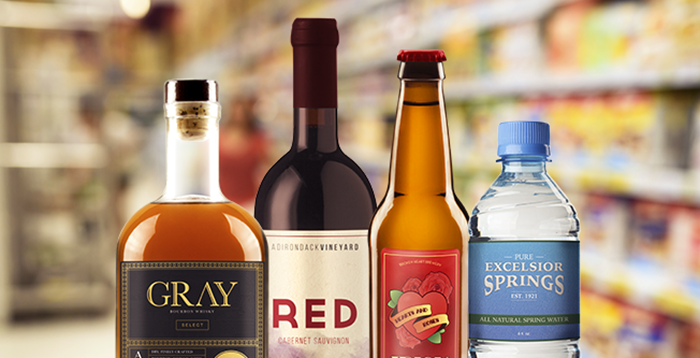
Innovations in on-bottle branding and labeling
Labels have moved from static identifiers to active brand tools that shape first impressions, guide purchases, and stay useful after the bottle leaves the shelf. On-bottle branding now mixes design, data, and materials science in ways that reward brands willing to invest in both craft and technology.
Traditional methods of on-bottle branding and labeling
Printed paper or film labels, embossing, and metallic foiling still deliver reliable visual cues and regulatory copy. Printed labels keep costs predictable while embossing adds a tactile cue that registers before any text is read. Foiling continues to signal premium positioning when budgets allow. Yet each method now competes with finishes that change color, glow under certain lights, or disappear once the consumer interacts with the bottle.
The importance of innovative on-bottle branding and labeling
Store shelves and online thumbnails reward speed. A label that signals quality, origin, or values inside three seconds can outweigh marginal price differences. Strong on-bottle work also creates post-purchase moments: consumers photograph distinctive bottles, share them, and keep empties for reuse. Brands that treat labels as disposable miss these secondary touchpoints.
Trends and advancements in on-bottle branding
Current direction favors contrast finishes such as spot gloss over matte, clear substrates that let liquid color show through, and metallic accents kept to small reflective zones rather than full coverage. Full-wrap constructions have grown because they provide more real estate for storytelling without adding separate components. Variable data printing now allows each bottle or short run to carry different names, colors, or codes without resetting presses.

Smart packaging and connected experiences
NFC chips and AI-enhanced QR codes now sit behind or inside labels, letting consumers pull recipes, loyalty points, or origin stories without downloading an app. WebAR experiences load directly in phone browsers, removing friction that once limited engagement. Smart labels also monitor temperature and humidity for food safety, giving producers data logs while reassuring buyers at the point of sale. The global AR and VR market is projected to reach 118.79 billion dollars in 2026, a figure that tracks directly to wider WebAR adoption on packaging.
Personalization at scale
Variable data printing lets brands move from one-off campaigns to ongoing runs where names, graphics, or regional references change bottle by bottle. Coca-Cola’s 2025 revival of Share a Coke ran in more than 120 countries, pairing printed names with QR codes that unlocked an app feature called Memory Maker for custom videos and memes aimed at Gen Z. Digital printing keeps unit costs manageable while the added layer of mobile content extends the relationship past the initial purchase.

Regulatory and transparency demands
Extended producer responsibility laws and regional producer responsibility organizations are standardizing recyclability definitions, forcing clearer on-pack language. Carbon labeling appears on more bottles as brands respond to consumer requests for measurable impact data. Wash-off adhesives and direct-to-container printing reduce label contamination in recycling streams, while truth-in-labeling rules require explicit disposal instructions. Brands that treat these requirements as design constraints rather than afterthoughts avoid last-minute artwork changes and potential fines.

Anti-counterfeiting and authentication features
Premium spirits and limited releases now incorporate digital watermarks readable by smartphone cameras, tamper-evident smart closures, and laser-etched permanent marks on the glass itself. These features let retailers and buyers confirm authenticity without visible security labels that can be copied. Laser marking also supports traceability records that survive the bottle’s entire lifecycle, an advantage when regulators or insurers request chain-of-custody documentation.

Artist collaborations and full-wrap designs
Absolut continues to release limited bottles illustrated by contemporary artists, maintaining its reputation for visual risk-taking. Other producers commission single-run artwork that functions as miniature posters once the contents are gone. Full-wrap constructions support these larger canvases while eliminating the registration issues that arise when multiple labels meet around a curved surface. The result is higher perceived value and stronger secondary-market interest among collectors.
Sustainability and eco-friendly labeling solutions
Brands are shifting toward mono-material substrates and water-soluble adhesives that separate cleanly during recycling. Laser marking, already expanding at roughly 6.5 percent CAGR, removes inks and solvents entirely while still delivering scannable codes. Direct printing on glass or PET further reduces component count. On-pack carbon data and standardized recycling symbols now appear alongside brand marks, satisfying both EPR reporting and shopper demand for verifiable claims.
Augmented reality in on-bottle branding
WebAR removes the need for a dedicated app, letting any phone camera trigger label-based experiences. Early AR pilots focused on novelty videos; current executions surface supply-chain details, cocktail suggestions, or loyalty enrollment. The same infrastructure supports NFC taps for users who prefer physical interaction over scanning. Market projections tying AR and VR growth to 118.79 billion dollars in 2026 reflect broader packaging adoption rather than isolated marketing experiments.
Interactive labeling techniques
Thermochromic and scratch-off effects remain useful for limited campaigns, yet the larger movement is toward connected packaging. NFC tags embedded behind matte or clear substrates trigger digital rewards or age verification. AI-driven QR codes can surface different content depending on scan location or time, allowing regional messaging without multiple label SKUs. These features turn the bottle into an always-on channel rather than a one-time visual statement.
Case studies of successful on-bottle branding innovations
Coca-Cola’s 2025 Share a Coke return paired physical names with app integration, producing both in-store theater and measurable digital engagement across 120-plus markets. Absolut maintains momentum through recurring artist editions that function as collectibles while reinforcing the brand’s design-forward identity. Both examples show how physical labels and digital extensions reinforce each other when planned together.
Implementing innovative on-bottle branding strategies
Start with audience research that identifies which finishes and data features actually influence purchase. Partner with printers experienced in variable data and digital embellishment so short runs remain economical. Use AI-assisted artwork tools to test contrast ratios and regulatory compliance before plates are made. After launch, monitor scan rates, redemption data, and social mentions to refine subsequent releases. Brands that treat labeling as an ongoing system rather than a single campaign keep pace with both consumer expectations and shifting regulations.
Conclusion: The future of on-bottle branding and labeling
Labels now carry regulatory data, authentication markers, and interactive triggers while still delivering the visual cues that first attract attention. The brands gaining ground combine material efficiency, digital connectivity, and disciplined design choices that respect both shelf impact and end-of-life requirements. As printing technology, regulatory frameworks, and consumer habits continue to shift, the most durable advantage remains consistent attention to how the bottle communicates before, during, and after the moment of purchase.