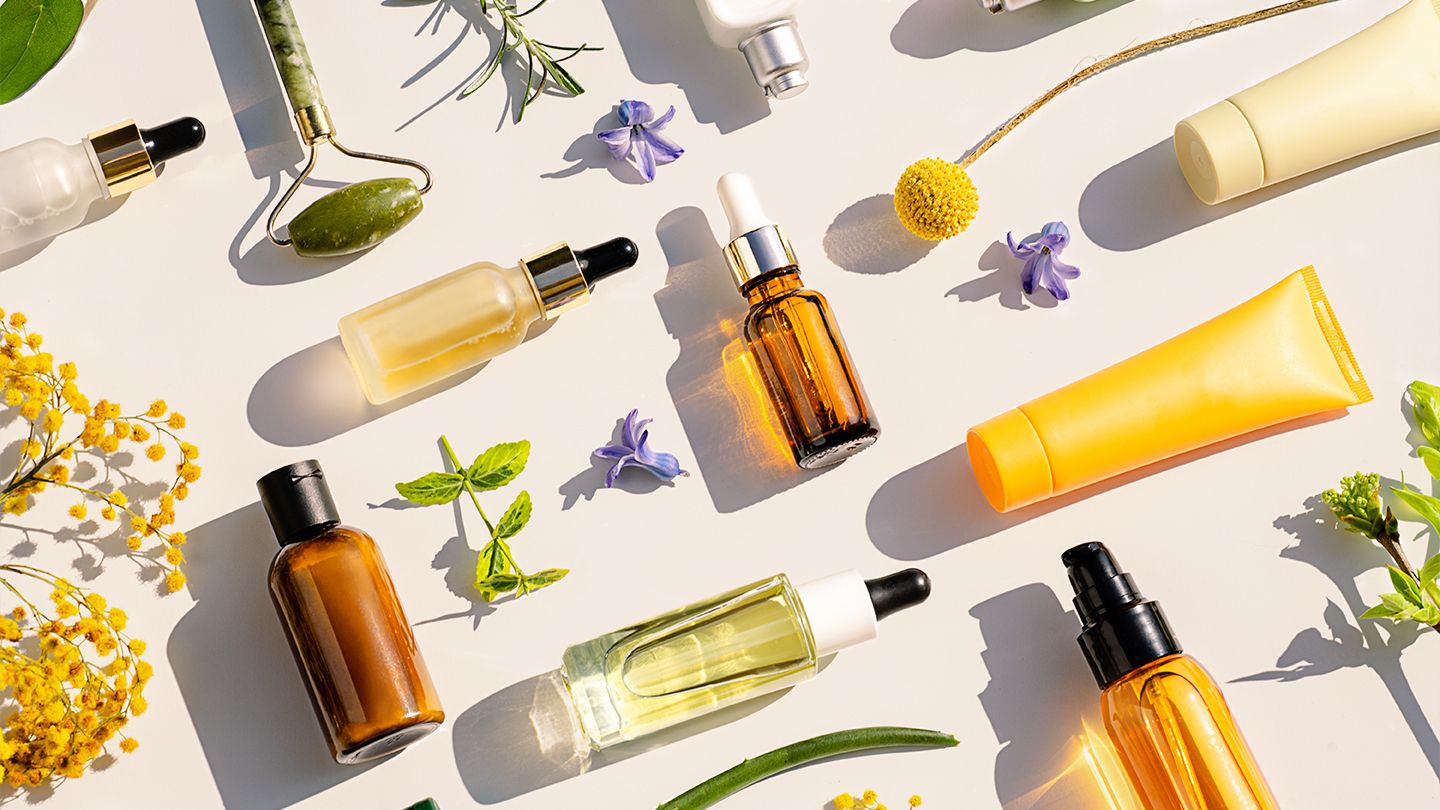
How to Use Natural and Organic Beauty Products
Organic beauty has moved from niche shelves to mainstream routines, and the numbers tell the story. The natural and organic cosmetics market reached an estimated $49.62 billion in 2024 and is projected to hit $54.33 billion in 2025 on its way to $134.54 billion by 2035, growing at a 9.49 percent CAGR. Skincare already accounts for roughly 40 percent of the organic segment, which itself is valued at $23.8 billion in 2026 and expected to reach $39.1 billion by 2036. Consumers are voting with their wallets for formulas that skip synthetic preservatives and favor traceable botanicals.
1. Introduction
In a world where chemicals and synthetic ingredients dominate the beauty industry, the demand for natural and organic beauty products is on the rise. These products are not only safer for your skin but also better for the environment. Let's dive deeper into the world of natural and organic beauty.
2. Understanding Natural and Organic Beauty Products
Natural beauty products are derived from plant-based ingredients, while organic products are made from ingredients that are grown without the use of synthetic pesticides or fertilizers. Understanding these distinctions is crucial when choosing the right products for your skincare and makeup routine.
3. Benefits of Natural and Organic Beauty Products
Discover the numerous benefits of using natural and organic beauty products, from reduced skin irritations to long-term skin health. These products are rich in vitamins, minerals, and antioxidants that nourish your skin naturally. Recent reviews highlight squalane for barrier repair, rosehip oil for inflammation reduction, and select botanicals for hydration. Microbiome-friendly formulas are also gaining ground, supporting the skin's natural ecosystem and easing sensitivity for reactive complexions.
4. Choosing the Right Products
Selecting the right natural and organic beauty products requires research and careful consideration. Learn how to identify trustworthy brands and products that align with your skin's needs. Updated COSMOS v4.2 standards now emphasize full traceability across supply chains, while EU Regulation 2026/909 tightens restrictions on fragrance allergens, UV filters, and nanomaterials. In the United States, MoCRA facility registration rules and ingredient review timelines give buyers clearer signals about accountability.
5. Reading Ingredient Labels
One of the key steps in using natural and organic beauty products is learning to read ingredient labels. We'll guide you through deciphering product labels and identifying harmful chemicals to avoid.
6. Creating a Natural Skincare Routine
Crafting a natural skincare routine tailored to your skin type is essential. We'll provide tips on cleansing, moisturizing, and pampering your skin with natural ingredients.
7. Using Natural Makeup Products
Enhance your natural beauty with makeup products that are free from harsh chemicals. Discover how to incorporate natural makeup into your daily routine for a flawless look.
8. Homemade Beauty Recipes
Explore DIY beauty recipes using common kitchen ingredients. You can create masks, scrubs, and serums that are both effective and cost-efficient.
9. Caring for Your Skin from the Inside
True beauty starts from within. We'll discuss how your diet and lifestyle choices play a significant role in achieving healthy, radiant skin.
10. Eco-Friendly Packaging
Learn about eco-conscious packaging and how choosing products with sustainable packaging can reduce your environmental footprint. Mono-material designs and refill systems now dominate 2026 trend reports, while PCR content and measurable circularity metrics replace vague green claims. The industry still produces 120 billion packaging units annually, yet only about 13 percent of analyzed products are free from microplastics, and 95 percent of packaging is typically discarded after one use.
11. Common Myths About Natural Beauty Products
Separate fact from fiction as we debunk common myths surrounding natural and organic beauty products. The notion that natural options are always pricier persists even as market growth narrows the gap. Another claim suggests limited innovation, yet brands now deliver advanced textures and stability without synthetic stabilizers. Certification remains voluntary unlike food labeling, and terms such as "natural" stay loosely regulated, so shoppers must still verify third-party seals.
12. Transitioning to Natural and Organic Products
Making the switch to natural and organic beauty products can be overwhelming. We'll provide a step-by-step guide to help you transition seamlessly.
13. Tips for a Sustainable Beauty Routine
Discover tips for maintaining a sustainable beauty routine that benefits both you and the planet. Water conservation matters because conventional beauty manufacturing consumes significant volumes; refill programs and mono-material containers cut that footprint. Microplastic-free formulas also reduce ocean pollution, aligning daily choices with measurable environmental gains.

Skin Microbiome and Natural Beauty
Emerging research positions microbiome-friendly natural products as a differentiator for sensitive skin and long-term barrier health. Popularity is rising alongside clean beauty demand, and trend reports note that botanical actives help maintain microbial balance while lowering irritation risk. Users with reactive complexions often report steadier hydration and fewer flare-ups when switching to formulas that avoid broad-spectrum preservatives.
Regulatory Landscape for Natural and Organic Cosmetics
Recent EU and US updates affect how claims are substantiated and how labels must read. COSMOS v4.2 and EU Regulation 2026/909 tighten traceability and restrict certain ingredients, while MoCRA clarifies facility registration and accelerates ingredient safety reviews. Brands that meet these benchmarks provide clearer documentation for consumers who want proof behind every promise.

Personalization and Customization in Natural Beauty
Industry forecasts list personalization and customization as a leading 2026 trend. Consumers increasingly seek tailored natural formulations driven by skin-analysis apps and data-driven compounding. This shift aligns with the natural ethos because it reduces over-formulation and matches ingredients directly to individual needs rather than mass-market averages.

Waterless and Concentrated Natural Formulations
Sustainability priorities are pushing the category toward water-free and concentrated formats. Bars, powders, and tablets cut shipping weight and eliminate the need to preserve large volumes of water, lowering both carbon output and preservative load. The move dovetails with broader packaging-reduction efforts already visible on refill shelves.
In conclusion, embracing natural and organic beauty products can transform your skincare and makeup routine. Not only do these products enhance your beauty, but they also contribute to a healthier, more sustainable world.