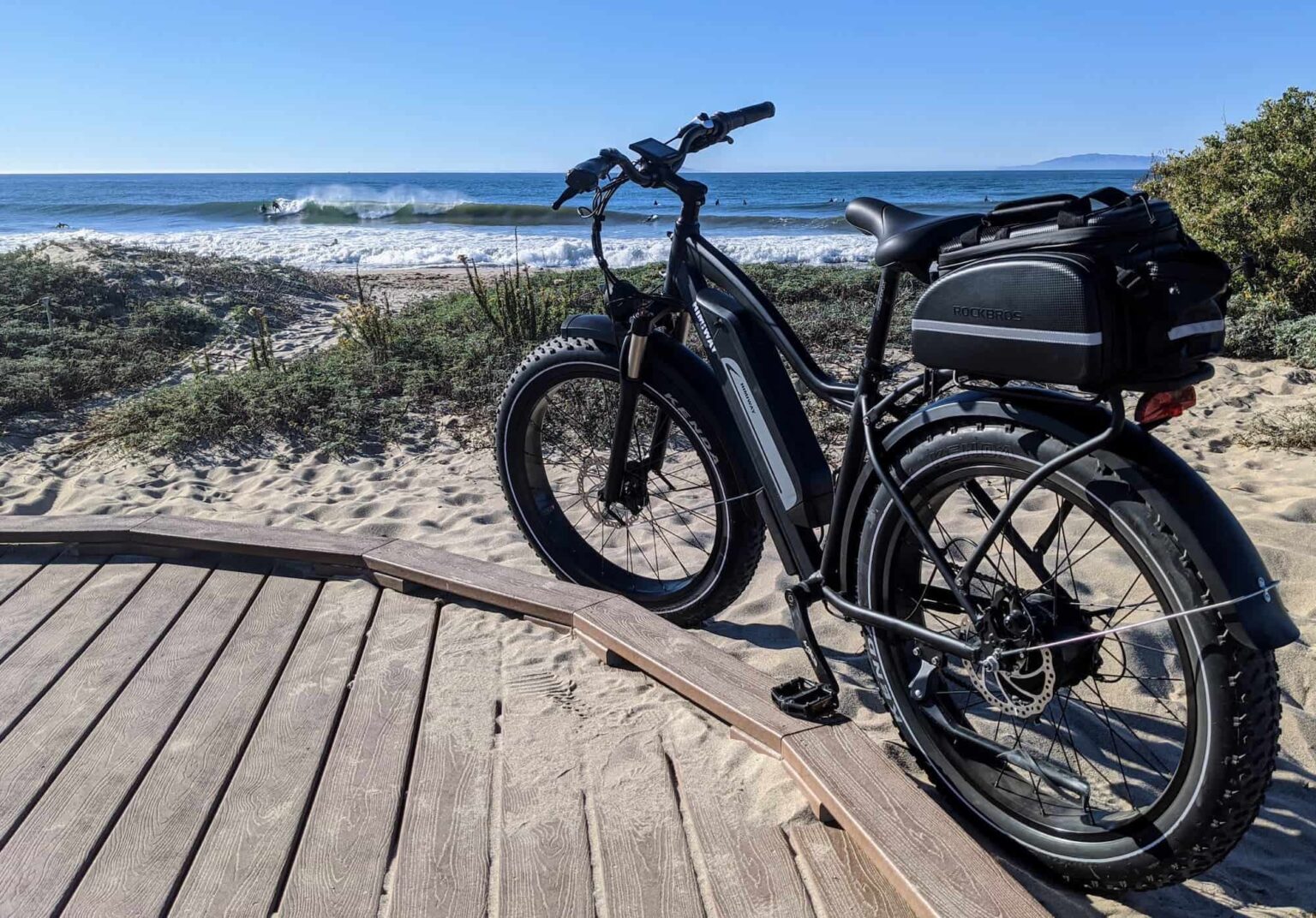
Upgrade to a Himiway Electric Bike: ride smarter
Himiway electric bikes remain a practical upgrade for riders who want pedal power with an electric assist, and the market in 2026 offers clearer safety rules and more refined hardware than the early wave of models. The original buying advice still holds in spirit, but prices, battery standards, and local regulations have shifted enough that fresh context helps shoppers avoid surprises.
What is a Himiway Electric Bike?
An Himiway electric bike uses a battery and motor to support pedaling rather than relying on gas or oil. Current models run 750-watt hub motors paired with Samsung or LG packs ranging from 720 to 960 watt-hours, delivering real-world ranges between 40 and 80 miles depending on terrain, rider weight, and assist level. Most frames accept full-suspension layouts and wide fat tires that handle pavement, gravel, and light trails, while payload ratings often reach 350 to 440 pounds.
Prices now sit mainly between $1799 and $2599, with frequent sales dipping into the low two-thousand range. Common extras include Shimano gearing, torque and cadence sensors that switch on the fly, and integrated displays that track speed, range, and battery percentage. Entry-level commuters and step-through frames sit at the lower end, while full-suspension trail models push toward the top of that bracket.
Current Himiway Model Lineup and Key Features
The D5 2.0 stands out for all-terrain use with full suspension, a 750-watt motor, and a 440-pound payload rating. Riders who want a daily commuter often look at the A7 Pro, priced around $1800 to $2600, which offers switchable sensors and suspension options in a lighter package. Both lines carry Samsung cells, Shimano components, and fat tires suited to mixed surfaces. Checking current stock and color options directly on the brand site prevents surprises on availability.
E-Bike Classes and Legal Considerations in 2026
Most states now follow the three-class system. Class 1 limits pedal assist to 20 mph and stays legal on many bike paths. Class 2 adds throttle control up to the same speed. Class 3 reaches 28 mph but is usually restricted to roads. New Jersey now requires a license, registration, and insurance for many models, while California mandates UL-certified batteries starting this year. Riders should verify local trail rules before heading out, because enforcement has tightened in several metro areas.
Battery Safety Certifications and Fire Prevention
UL 2271 and 2849 certification on the battery pack signals compliance with current safety testing and can affect insurance coverage. Avoid submerging the battery or riding with visible damage to the case. Store packs at moderate room temperature and charge only on non-flammable surfaces. Some brands have issued recalls after cell failures, so confirming the certification label before purchase reduces risk.
Maintenance and Long-Term Ownership Tips
Inspect cable connections and brake pads every few weeks, especially after wet rides. Charge the battery to about 80 percent for daily storage and top it off before longer trips. Himiway offers a two-year warranty that covers the motor and battery, though owners note that replacement parts sometimes require back-order waits. Firmware updates through the display keep sensor calibration accurate, and professional service once a year helps catch wear before it strands a rider.
How to ride an Himiway Electric Bike:
Buying an Himiway electric bike can be a great way to get some exercise and save money on your energy bills. Prices now commonly fall in the $1800 to $2500 range, so setting a realistic budget before shopping prevents disappointment. The three main assist types remain pedal-assist, throttle, and pedal-only; each behaves differently on hills and in traffic, so a test ride clarifies personal preference.
Local Class 1, 2, or 3 rules determine where the bike can legally travel. Many parks and trails post signage that matches the state system, so checking those limits ahead of time avoids citations. Riders who plan mixed-surface routes often favor models with full suspension and wider tires for stability.
Tips on Purchasing an Himiway Electric Bike:
When you are thinking about purchasing an Himiway electric bike, there are a few tips that you should keep in mind. Here are ten of the most important things to know:
- Know Your Needs
Before you buy, clarify whether the bike will serve daily commuting, weekend recreation, or both. A heavier full-suspension model makes sense for trails, while a lighter commuter frame works better for short paved routes. - Get a Good Fit
Frame sizes vary, and saddle height plus reach affect comfort on longer rides. Trying several sizes in person prevents the common mistake of ordering online and discovering the geometry feels off. - Consider Your Budget
Entry models start near $1800, while added suspension and larger batteries push prices higher. Decide early whether you need premium features or can stay within a mid-range build. - Consider the Battery Life and Range
Real-world range lands between 40 and 70 miles for most riders. Prioritize UL-certified packs, because insurance carriers increasingly require proof of certification in states with new registration rules. - Check Out the Reviews Online
Recent 2025 and 2026 owner reports on forums and review sites reveal how actual range compares with advertised numbers and how customer service handles warranty claims. - Take a Test Ride
A short ride on pavement and a modest hill shows whether the motor response matches your pedaling style and whether the brakes feel confident at speed. - Watch Out for Scams
Counterfeit frames still appear at flea markets and online marketplaces. Verify serial numbers and warranty registration directly with the brand before handing over payment. - Consider Insurance
States adopting registration requirements often tie coverage to UL-certified batteries. Adding the bike to an existing homeowner or renter policy can protect against theft or damage. - Inspect Before You Buy
Check the frame for dents, confirm that the charger and keys are included, and test the display and lights before finalizing the sale. - Take Your Time & Shop Around
Compare pricing at local shops and on the brand site, and ask about current promotions or bundle deals that include a second battery or upgraded rack.
Purchasing an Himiway electric bike can be a daunting task, especially if you’re not familiar with the different types and features available. In this article, we’ve gone over some of the key things to keep in mind when purchasing an electric bike, so that you can make an informed decision and avoid any potential headaches down the road. Thanks for reading!