From Console to Cinema: The Top Video Games Adapted into Films
Video game adaptations have moved from occasional experiments to reliable box office contenders, and the shift shows no sign of slowing. Studios keep returning to established worlds because the built-in audience is real and the production pipelines are now mature enough to deliver scale without losing the core identity of the source material. The conversation has shifted from whether these films can work to how studios can keep the momentum going across both theatrical and streaming platforms.
Early attempts often stumbled because technology and narrative craft were not yet aligned. That gap narrowed once visual effects houses gained experience handling the exaggerated movement and stylized worlds that games require. Today the best entries balance fan service with enough original storytelling to hold general audiences, and the numbers prove the formula can scale.
The Early Days of Video Game Adaptations
The first major attempt arrived in 1982 with the Atari tie-in for E.T. The Extra-Terrestrial. The game sold well, yet the film became one of the decade's most notorious misfires. Critics and audiences rejected its tone, and the project set a cautious precedent that lingered through much of the 1990s. Super Mario Bros. and Street Fighter followed with strong opening weekends but received bruising reviews that questioned whether games and cinema could ever share the same language.
Those early disappointments were not simply matters of poor scripts. Filmmakers lacked the visual reference points and effects budgets that later productions take for granted. The industry treated game adaptations as high-risk novelties rather than long-term franchises, and the results showed.
Top Successful Video Game Adaptations
Angelina Jolie brought Lara Croft to life in 2001, and the Tomb Raider film cleared more than $275 million worldwide on the strength of its set pieces and Jolie's star power. The Resident Evil series later surpassed $1.2 billion across multiple entries by leaning into the survival-horror atmosphere that defined the games. These projects proved that recognizable characters and consistent visual language could carry audiences through mixed critical notices.
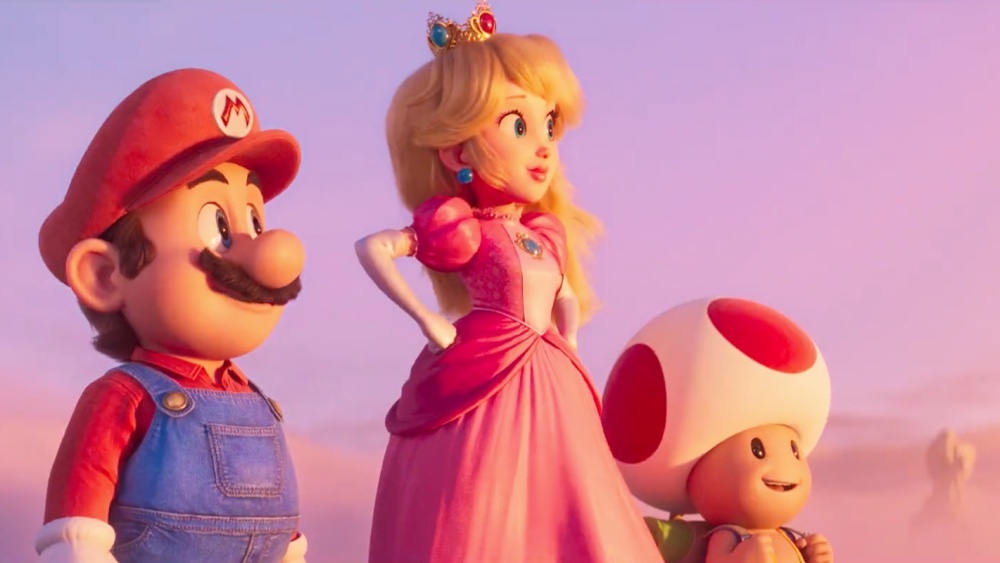
The Super Mario Bros. Movie from 2023 became the highest-grossing video game film to date, crossing $1.36 billion. Sonic the Hedgehog 3 arrived in 2024 and collected $492 million while earning Certified Fresh status on Rotten Tomatoes. A Minecraft Movie opened in 2025 with the largest global debut weekend ever recorded for the genre, clearing more than $300 million in its first three days and finishing near $961 million worldwide. Detective Pikachu and the original Mortal Kombat film also demonstrated that humor and spectacle could coexist when the creative teams respected the source tone.
Recent Blockbusters and Critical Shifts
The 2023-2025 cycle marked a clear turning point. Studios no longer needed to defend the concept of video game films; they needed only to execute at scale. The Super Mario Bros. Movie proved that family audiences would show up in force when the animation and voice cast felt authentic. Sonic the Hedgehog 3 refined the balance between speed and character work that the first two entries established, while A Minecraft Movie translated the game's blocky aesthetic into live-action spectacle without alienating longtime players.
These releases also benefited from tighter marketing windows and earlier fan screenings that reduced the risk of last-minute redesigns. The critical conversation moved from blanket skepticism to case-by-case evaluation, and the aggregate scores reflected that change in expectations.
The Rise of Video Game TV Adaptations
Streaming platforms expanded the field beyond theatrical constraints. The Last of Us and Fallout delivered prestige-level production values and sustained viewer engagement across multiple seasons. Twisted Metal found an audience by mixing dark humor with vehicular mayhem that echoed the original game structure. These series reached viewers who might skip a two-hour movie but commit to episodic storytelling that mirrors the longer campaigns found in games.
Ampere Analysis reported that television adaptations drive an average 203 percent increase in game player numbers, far outpacing the 48 percent lift typically seen from film releases. The longer format allows deeper world-building and character arcs that theatrical cuts often compress, giving studios and publishers a second revenue stream while expanding the core audience.
Video Game Adaptations that Missed the Mark
Assassin's Creed struggled in 2016 with a plot that felt both rushed and overly complicated, despite the presence of Michael Fassbender and Marion Cotillard. The 1993 Super Mario Bros. film remains a benchmark for tonal mismatch, its surreal tone clashing with the colorful platforming that defined the Nintendo property. Warcraft earned praise for its visuals yet drew criticism for flattening its ensemble into stock archetypes.
More recent disappointments include the 2024 Borderlands adaptation, which posted single-digit critic scores despite a recognizable cast. Five Nights at Freddy's 2 followed in 2025 with similarly low marks, reminding producers that name recognition alone cannot overcome thin plotting or tonal confusion. These entries underscore the persistent risk of rushing projects without sufficient script development.
The Impact of Video Game Adaptations on the Film Industry
Video game films have produced multiple billion-dollar or near-billion-dollar entries in recent years, shifting studio slates toward properties that already carry built-in awareness. The crossover effect works both ways. Minecraft recorded a 30 percent rise in monthly active users after its 2025 film release, while broader industry data shows consistent player growth following both theatrical and streaming projects.
Critics continue to note the risk of franchise fatigue, yet the economic argument remains compelling. Studios gain reliable opening weekends, and game publishers receive free marketing that reaches audiences beyond traditional gaming channels. The relationship has matured from one-sided exploitation into a mutual pipeline that rewards careful creative alignment.
Bidirectional Industry Benefits
Game companies now treat film and television releases as core marketing events rather than side projects. The 48 percent average player increase from movies and 203 percent lift from series translate directly into additional software sales and microtransaction revenue. Studios, in turn, receive pre-sold awareness that reduces traditional advertising costs and improves international performance.
Minecraft's post-film user surge demonstrated how a single theatrical event can refresh a decade-old property across platforms. Similar patterns appeared after The Last of Us and Fallout seasons, confirming that the benefit flows in both directions when the adaptation respects the original mechanics and tone.
Upcoming Releases 2026-2027
The Super Mario Galaxy Movie is scheduled for April 2026, continuing Nintendo's push into theatrical animation. Mortal Kombat 2, a new Street Fighter film, and another Resident Evil entry are all slated for 2026. Sonic the Hedgehog 4 and The Legend of Zelda are expected in 2027, rounding out a slate that stretches the current cycle well into the next decade.
These projects arrive with higher expectations than earlier attempts. Audiences now compare each release against recent successes rather than past failures, and studios have adjusted development timelines accordingly. The pipeline looks steady rather than speculative.
Video game adaptations have moved from novelty status to a durable segment of the industry. The combination of improved craft, quantifiable audience growth, and a concrete release calendar through 2027 suggests the trend will continue to deliver both commercial hits and expanded player bases across film and television.