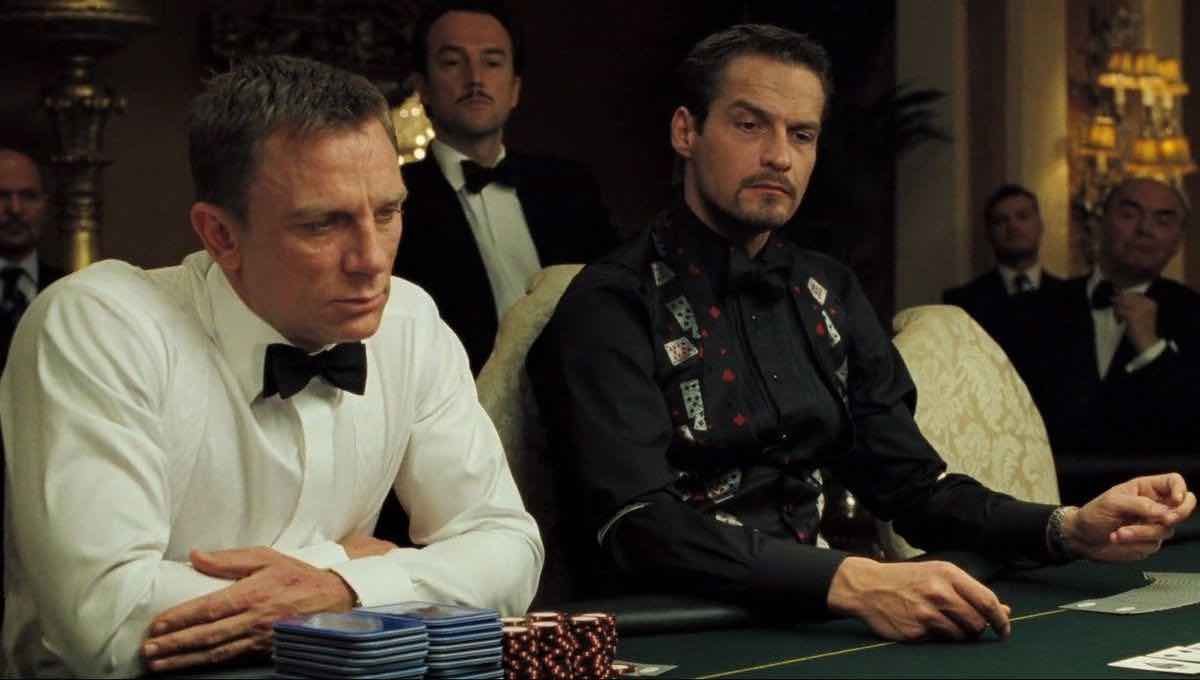
What Misconceptions About Gambling Did We Get From Movies?
You’d be surprised to know how many people have never and will never visit a real land-based casino. In many countries, traditional casinos do not exist therefore what people see in movies believe to be a fair picture, which is not always the case. There are many misconceptions about gambling we got from movies that need to be debunked once and for all. Gambling is the oldest form of entertainment that in recent years became one of the most profitable industries globally. People have always enjoyed testing their luck in casinos, and nowadays, with the advancement in technology, they get to experience the casino thrill in their own homes, whether it is through playing USA real money slot games or other types of gambling games. There are dozens of Hollywood movies about casinos and gambling that have captivated audiences over the years. Movies such as Casino Royale, The Cincinnati kid, The Hustler, and Ocean’s Eleven all have some type of gambling storyline behind them and scenery. However, not all of them represent traditional gambling as it is. As you may already know, directors as well as script writers claim that they always try to make things on the screen as realistic as possible. However, most of the time there is a degree of imagination and creativity with anything we see in movies. Finally, it is becoming more and more common to see movies with gambling elements attached to them. While we rarely can learn anything from these casino movie scenes, it’s still nice to watch them. However, while you watch, be aware that there are some misconceptions about gambling in them.
The Rise of Online Gambling and Shifting Perceptions
Online gambling market projections for 2026 sit near $97.7 billion, and nearly one in five adults worldwide have tried digital platforms. That scale moves the experience far from the velvet rooms and dramatic lighting of classic films. Players now log in from apartments or hotel rooms rather than stepping onto a casino floor, which changes the sensory cues movies rely on. The result is a widening gap between what viewers absorb from the screen and what they actually encounter when they place a bet.
How Streaming Services Amplify Gambling Movie Myths
Streaming keeps older titles in constant rotation while new releases such as Ballad of a Small Player on Netflix push addiction themes to wider audiences. The constant availability means the same exaggerated win sequences and tense standoffs reach new generations without context. Viewers absorb the visuals as shorthand for real play, even when the plots compress weeks of action into single nights for dramatic effect. Older classics remain influential, yet fresh titles reinforce the same shorthand rather than correct it.
#1 You Have to Wear Suits in a Casino
In the majority of movies that have gambling in them, the main characters wear suits or business outfits. This makes a fall picture of how it really is. Although some casinos have dress codes, the number of such casinos is extremely small. Generally, in most casinos, you can wear whatever you want, as long as you have money to gamble. If you are someone who does not want to be bothered with a possible dress code, just don't go to fancy casinos. Luckily, you can always find great land-based casinos that accept players no matter how they dress. Current 2025-2026 guides confirm casual attire is widely accepted at most venues, while semi-formal or smart casual remains common at mid-tier properties.
#2 Winnings/Losses are Not THAT Big in Real Life
Although some gambling addicts have managed to gamble their houses and all of their savings gambling, this is not the case in real life. In movies, we usually see wealthy characters that either win or lose ridiculous amounts of money. In reality, this is not the case. The majority of players in real life understand the financial responsibility they need to have when gambling. One more misconception about gambling that we got from movies is that you always win. This can not be further from the truth. In reality, casinos always have better odds than a player will ever have. It’s made that way, and it’s been that way forever. Sure, a player might have a great night where they end up winning at every game they play. However, that is not the norm. Typical house edges range from 1 to 15 percent across games, and long-term player losses remain the statistical norm.
Responsible Gambling Tools in the Digital Age
Existing sections note budgets and responsibility, yet digital operators now supply self-exclusion programs and deposit-limit features that counter the glamour shown on screen. Industry surveys indicate players view these tools positively when they are easy to access. The contrast is direct: films rarely depict players setting hard limits or stepping away after a set time, while real platforms encourage those controls as standard practice.
Global Casino Variations Beyond Hollywood Stereotypes
Article focus has stayed on Western venues, yet international sites such as Macau operate under different atmospheres and regulations. Recent 2025 films spotlight Macau as an Asian gambling hub, and dress codes and floor energy vary sharply by region. These differences further separate lived experience from the single template most movies repeat.
#4 Casinos Are Represented as Dangerous Places
If you’ve watched movies like “Casino”, you will notice that casinos are run by some shady characters, to say the least. While it is true that, back in the day, casinos were actually run by the mafia, today that is not the case, at least as much. Generally, casinos are mostly owned by major corporations, and the mafia just simply is not a big player in the casino world. While you might see some questionable people hanging out in real traditional casinos, it is not nearly as bad as the movies portray. So, no, casinos are not dangerous places, but rather safe and secure. Major corporations now serve as primary owners in regulated markets, and organized crime involvement has greatly reduced in modern US and many international casinos.
The four misconceptions persist because films compress time, heighten stakes, and favor visual shorthand over routine. Viewers who treat the screen as a guide rather than entertainment risk carrying those distortions into their own decisions. Real play stays slower, quieter, and statistically tilted toward the house, whether the action happens on a casino floor or through a phone screen. Keeping those distinctions in view turns movie nights into simple viewing rather than accidental instruction.