New York Fashion Week 2024: our schedule guide
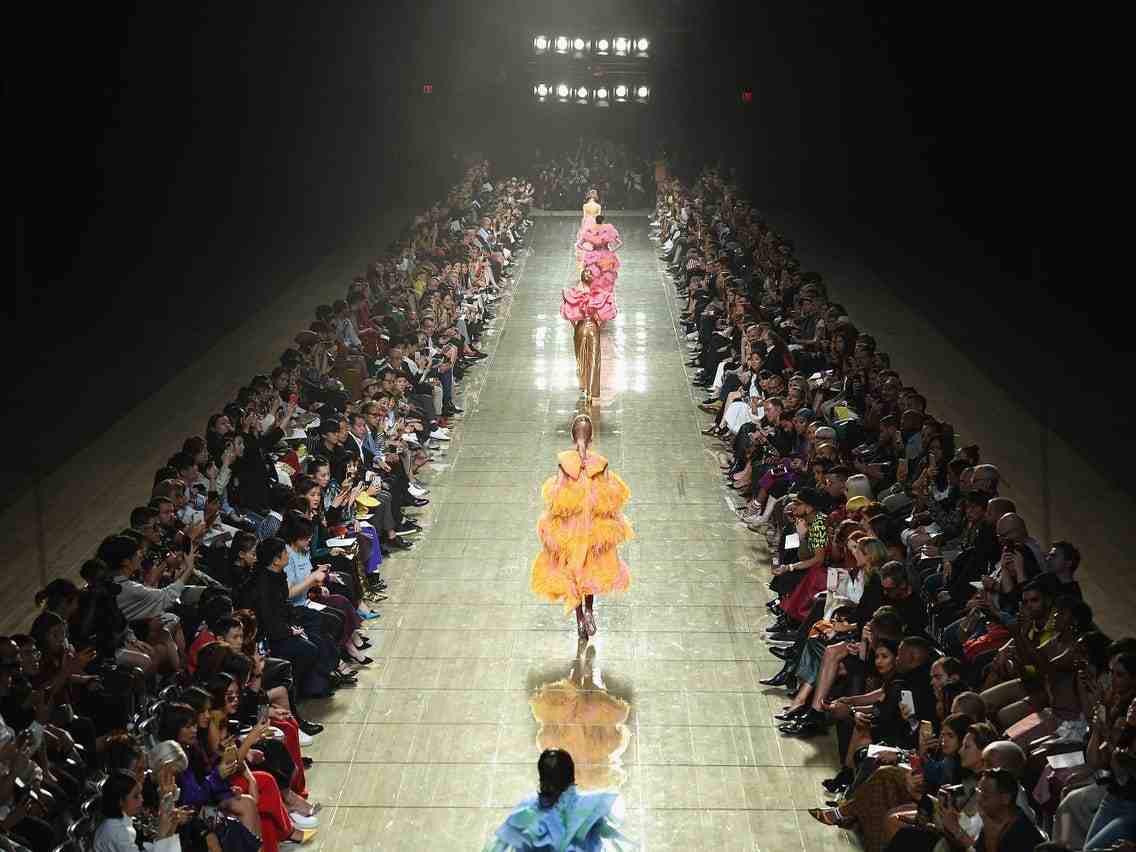
New York Fashion Week still owns the city like no other week on the calendar. Designers keep turning up with fresh work, the streets keep turning into open-air runways, and the biannual rhythm of February and September shows continues to set the pace for American fashion. The focus stays on the clothes, the people wearing them, and the ideas that travel from runway to sidewalk.
The runway rundown
NYFW now runs twice a year, with the September edition anchored between the 11th and 16th and the February shows landing in the same mid-month window. Michael Kors has opened recent American collections, Prabal Gurung has returned with sharp tailoring, and the official schedule has welcomed first-timers alongside long-running houses. The calendar still mixes heritage names with newer labels, and the energy stays high because the city treats the shows as both industry business and public theater.
Must-see runway highlights
Collections keep folding in real-world references without turning didactic. Some houses have used AI tools to generate prints or drape studies before they hit the runway, while others continue to explore identity, labor, and community through fabric and silhouette. The result is a mix of technical experimentation and cultural storytelling that keeps audiences engaged long after the last look exits the stage.
Notable shows to watch
Ralph Lauren has tested AI-assisted pattern work in recent seasons, and the house is not alone. Digital Fashion Week and XR events continue to run alongside physical shows, giving designers a second platform for virtual presentations. Sustainability policies have also tightened; the CFDA’s no-fur rule takes effect for official schedule events starting September 2026, pushing more houses to refine their material choices while keeping the visual impact intact.
Sustainability and ethical practices
The no-fur policy is the clearest recent marker, yet the conversation runs deeper. Designers continue to test lower-impact fabrics, closed-loop production methods, and transparent supply chains. The emphasis remains on responsible innovation that does not sacrifice the visual language audiences expect from NYFW. The policy change simply formalizes a direction many houses had already begun to explore.

Digital and AI integrations
Physical shows remain the core experience, but digital layers keep expanding. Ralph Lauren’s AI experiments sit next to ongoing metaverse and XR events that let viewers access alternate versions of collections. The technology serves as an additional tool rather than a replacement, letting designers test ideas quickly and reach audiences who cannot attend in person.

Emerging voices and debuts
Recent schedules have added 6397, Maria McManus, LII, and Ashlyn to the official lineup, while Eckhaus Latta continues to draw attention with its precise, research-driven work. These additions keep the calendar dynamic and give buyers and press early signals about which new voices are ready for wider distribution.

Street style evolution
Sidewalk dressing has settled into transitional outerwear, layered pendants, and personal maximalism. Attendees treat the streets as an extension of the runway, mixing high and low pieces that reflect both the current collections and individual taste. The result is a living record of how the season’s ideas move from show to everyday wear.
The week ends the same way it begins: with a city full of people watching each other and deciding what comes next. Technology, policy shifts, and new names all feed into the same loop, and the clothes keep the conversation moving forward.