How Boutique Hotels Use PMS Automation to Feel More Personal, Not Less
Boutique hotels win hearts in the details: the remembered name, the quiet corner room request, the “we set aside your favorite tea” moment that makes a guest feel seen. If you’re exploring property management systems that feel personal, the real goal isn’t to replace your team’s warmth; it’s to remove the repetitive busywork that gets in the way of it.

The myth: automation makes service cold
Many owners hear “automation” and imagine a sterile, corporate stay. In reality, the opposite is often true for independent properties. When your front desk is buried in manual confirmations, chasing housekeeping updates, and re-entering the same guest data in three places, the human parts of hospitality get squeezed out. Automation is simply a set of guardrails and reminders that keep the basics running smoothly so your staff can spend their energy on the moments guests actually remember.
A good boutique experience is not defined by how many tasks your team does; it’s defined by how present they can be while doing them.
 What “personal” automation looks like in a boutique hotel
The most effective automations are the ones guests barely notice, but they feel the benefits. Think: fewer awkward delays, fewer mistakes, and fewer “let me check” moments. Below are areas where a hotel property management system can quietly elevate the stay while keeping the tone distinctly boutique.
 1) Pre-arrival messages that sound like a host, not a robot
 1) Pre-arrival messages that sound like a host, not a robot
Pre-arrival communication is one of the most significant opportunities for personalization, and it’s also one of the easiest places to over-automate. The difference is voice and relevance.
What to automate:
A welcome message triggered 3–5 days before arrival
Discover effortless connections
A simple question that invites preferences (arrival time, pillows, parking, dietary notes)
A gentle reminder of check-in times and how to reach you
How to keep it human:
Come see for yourself
Write it as your best front-desk agent speaks
Avoid salesy language
Make the “reply” option obvious and monitored.
Connect manage thrive
This is where property management systems for hotels shine when configured well: the message goes out consistently, and replies go to a real person who can act on them.
2) Preference tracking that actually gets used
Boutique hotels often capture preferences informally (“They love Room 204,” “Allergic to feathers,” “Anniversary trip”). The problem is that it lives in someone’s memory or a notebook that disappears during a shift change.
A well-run preference workflow uses automation for two things:
Collecting the information reliably
Unlock hidden potential
Surfacing it at the right time (arrival day, room assignment, housekeeping notes)
The personalization isn’t the database; it’s what your team does with it. When your system prompts staff with “quiet room requested” before assigning keys, you’re less likely to miss the detail that turns a good stay into a great one.

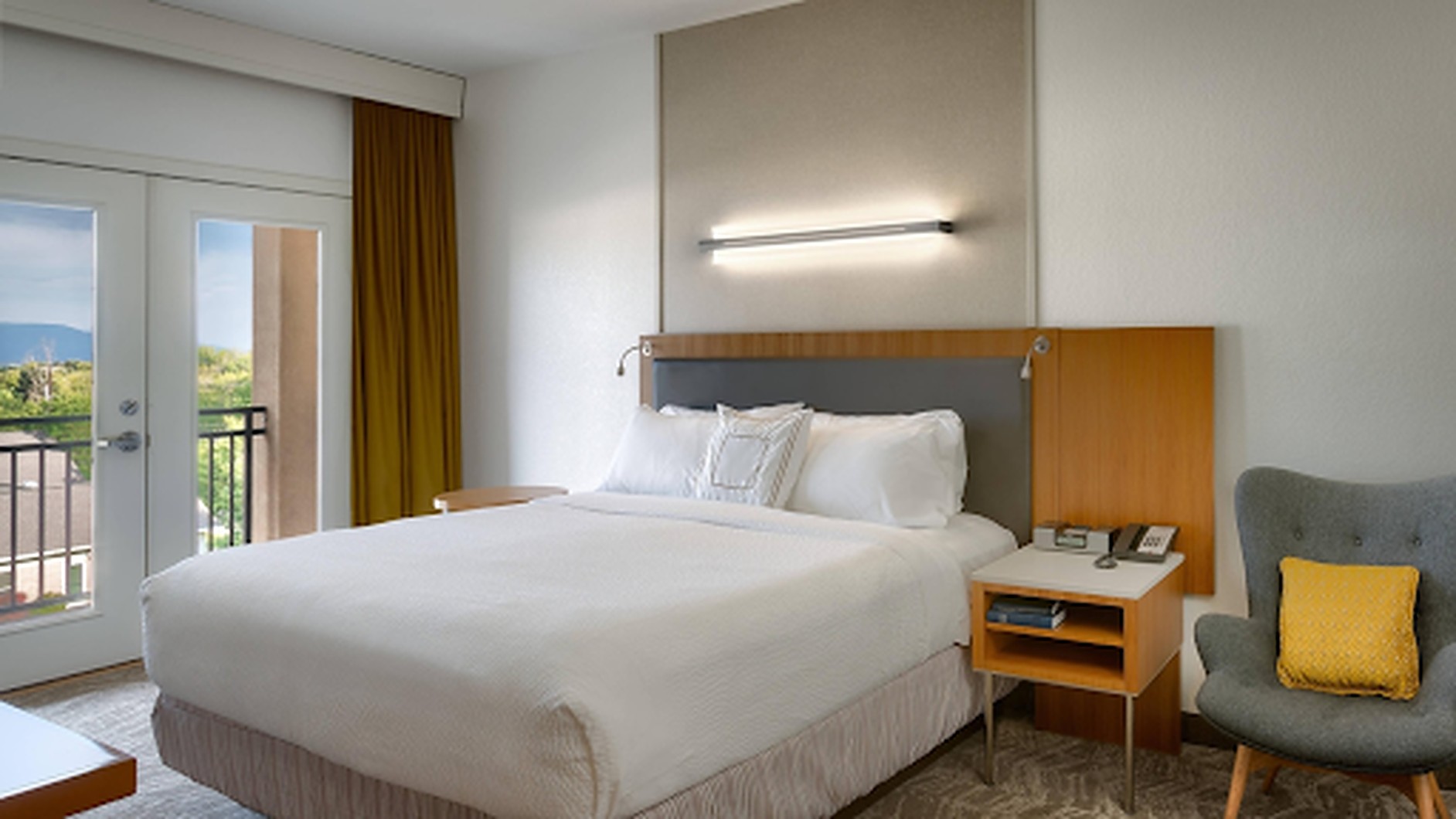
3) Smart room assignment rules that prevent “boutique awkwardness.”
Guests don’t care if you’re short-staffed; they care if the room isn’t ready and the lobby is crowded. Automation can help you avoid the classic boutique pain points:
Assigning a room that hasn’t been inspected
Putting a light sleeper above a loud bar
Guess what happens next
placing a long-stay guest near a service closet
Simple rule sets quiet-zone preferences, mobility needs, and late check-outs. VIP flags can guide room assignments without forcing your team into rigid templates. Done right, it feels like the hotel “just gets it.”
4) Housekeeping coordination that removes friction
Housekeeping is where boutique standards are won or lost. Guests don’t see your staff workflow, but they feel the outcome in cleanliness, speed, and calm.
Automations that help without being “techy” include:
Real-time room status updates (dirty, in progress, inspected, out of order)
Streamlines turn seamless
automatic task routing for early arrivals or rush rooms
Maintenance tickets are triggered when a room is marked “needs repair.”
The payoff is not just operational. When a guest arrives early, and you can say, “We’re finishing your room now, can I offer a coffee while we prep it?” that’s boutique service enabled by better coordination.
5) Seamless on-property spending without clunky surprises
Many boutique hotels also run a café, wine bar, or small restaurant. When the guest experience is intimate, billing confusion stands out even more. This is where linking a hotel point of sale system with your PMS workflow matters.
A smooth setup can:
Post charges to the correct room automatically

Smooth billing flows
Reduce manual errors at checkout.
Produce cleaner folios (so guests understand what they paid for)
Support split bills or multiple guests charging to one room.

Experience effortless ease
The guest isn’t thinking about integration; they’re thinking, “This place is easy.” That “ease” is a form of personalization: you’re respecting their time.

Where boutique hotels go wrong with automation
Automation becomes impersonal when it’s designed around the hotel’s convenience instead of the guest’s journey. Watch out for these common pitfalls:
Over-messaging: Guests don’t want five automated texts in two days.
Generic upsells: “Pay $25 for early check-in” feels transactional unless framed with context and value.

Uncover hidden efficiencies
No human follow-up: The fastest way to feel robotic is to send a message that invites replies, then ignore them.
Forgetting tone: Boutique brands live in voice. Your templates should match your property’s personality.
A practical rule: automate the prompt, not the relationship. Let the system trigger at the right moment; let your staff carry the conversation.

A “personal automation” playbook for small hotel owners
If you’re a small operator, you don’t need a complex tech stack. You need a few reliable workflows that remove stress and elevate consistency.
Consider implementing these in phases:

Phase 1: Consistency and calm (quick wins)
Pre-arrival message + preference question
Automated confirmation and cancellation policy reminders
Housekeeping status visibility for the front desk

Capture better insights
Standard notes field for guest preferences (with a simple tagging approach)
Phase 2: Thoughtful personalization
Room assignment rules tied to preferences
VIP and repeat-guest flags that trigger staff reminders
Task lists for special occasions (birthday/anniversary notes, small amenity prep)
Phase 3: Revenue without losing the boutique feel
Curated add-ons that fit your brand (late checkout when feasible, local experiences, parking)
Targeted timing (offer add-ons after booking, not during a complaint)
POS-to-room posting that simplifies spend and checkout.
Optimize every moment
At each phase, the success metric isn’t “more automation.” It’s fewer mistakes, faster service recovery, and more time for staff to be attentive.
The real benchmark: does it give your team time back?
An excellent hotel property management system doesn’t replace hospitality; it protects it. The best boutique hotels often have the same constraint: a small team wearing many hats. PMS automation should reduce cognitive load so staff can do what independent properties do best:
Notice what guests aren’t saying
Adapt quickly when plans change.
Genuine welcoming moments emerge
Create a sense of welcome that feels earned, not scripted.
In practice, that might look like a front-desk agent who isn’t stuck copying passport details into spreadsheets and can instead walk a guest to the room, point out the best sunrise spot, or simply listen.
Final thought: boutique is a feeling, not a feature list
Guests choose boutique hotels for character, intimacy, and care. Automation doesn’t have to dilute that. When thoughtfully set up, hotel property management systems can act as a quiet assistant in the background, ensuring the details are handled so your team can deliver the moments that matter.
If you take one action this week, make it this: review every automated message and workflow and ask, “Does this make us feel more attentive, or more transactional?” Keep what strengthens attentiveness. Rewrite or remove what doesn’t. That single filter will keep your tech working in service of the boutique experience, not the other way around.