

Successful film producers suggest these essentials for aspiring artists
The global film industry is on track to hit roughly $35 billion in box office revenue next year, a sign that the business remains resilient and open to new voices. Whether the goal is commercial reach, personal expression, or simply getting a story onto the screen, every producer still begins with the same practical question: what gear actually matters when budgets are tight and experience is thin.
Successful producers emphasize that the right tools do not guarantee a great film, but the wrong ones can stop a project cold. The essentials have shifted since the DSLR era, and the current list reflects how digital workflows have changed the entry point for newcomers.
Professional software
Every film still starts with a script. Final Draft remains the industry standard used by the overwhelming majority of working writers and producers. Its formatting tools and collaboration features keep drafts clean when multiple departments weigh in. Once the pages are locked, the workflow moves to picture and sound editing.
DaVinci Resolve offers a free version that handles color, sound, and visual effects at a level many paid programs still chase. Adobe Premiere Pro sits alongside it as the subscription option most editors already know. Both programs provide cloud collaboration, which matters when a small crew is scattered across different time zones. Trial periods let newcomers test stability and interface before committing money or hard drive space.
DSLR camera
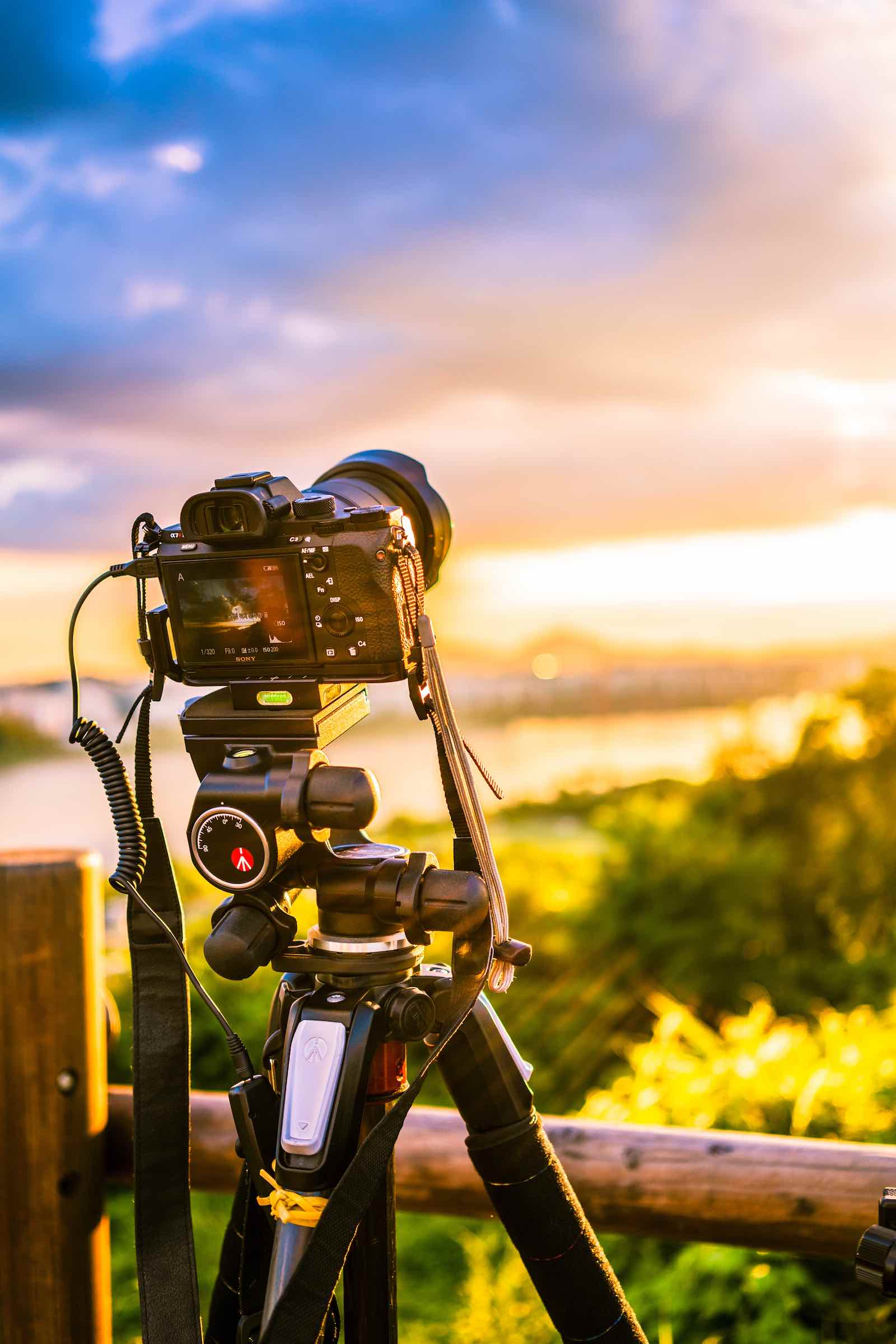
The industry has largely moved past the DSLR bodies that once defined low-budget production. Mirrorless systems now dominate because they deliver better autofocus, higher-resolution video, and lighter rigs for long shooting days. Canon’s EOS R5 II and R6 III, along with Sony’s A1 II, appear regularly on sets where reliability and 4K or 6K recording matter more than legacy DSLR branding.
These cameras accept the same lenses many filmmakers already own, which softens the transition cost. The key remains investing in a body that records clean footage at the resolutions future distributors expect. A solid mirrorless camera is still an investment, yet the resale market and rental houses make it more approachable than it first appears.
Stabilizing equipment
Shaky footage remains the quickest giveaway that a project was made without proper support. A fluid-head tripod still belongs in every kit for locked-off and slow-moving shots. The added piece most producers now recommend is a three-axis gimbal such as the DJI RS series, which handles walking and tracking shots that once required a larger crew or expensive rental.
Matching the gimbal to camera weight prevents frustration on set. Producers advise testing both tripod and gimbal before a full production day, because the right balance between stability and mobility changes with every location and lens choice.
Audio recording essentials
Sound is the element audiences notice first when it fails. External microphones such as Rode shotgun models or wireless lavalier systems deliver clarity that built-in camera mics cannot match. Poor audio undercuts even the strongest performances and forces costly fixes in post.
Many producers treat a dedicated recorder and a pair of decent headphones as non-negotiable alongside the camera itself. The investment is modest compared with the cost of ADR sessions later, and the difference shows immediately in rough cuts.
Lighting basics for beginners
Available light looks romantic on a mood board and frustrating on set. A compact LED lighting kit gives control over shadows and color temperature when windows or practical lamps fall short. Three-point setups remain the baseline for interviews and narrative scenes, yet even two well-placed panels can lift image quality dramatically.
Consistent lighting also protects continuity across multiple shooting days. Producers note that natural light alone rarely holds up once schedules stretch or weather shifts, so a small kit travels with most beginner crews.
Storage and backup solutions
High-resolution footage eats hard drive space quickly. Multiple external SSDs or a small RAID array protect against the single-point failure that has ended more than one promising project. Cloud backups add another layer, especially when files move between editor, colorist, and sound house.
The discipline of redundant storage starts on day one. Losing a day’s footage to a corrupted card is an expensive lesson that proper backups make avoidable.
Lenses and accessories for versatility
The camera body is only half the story. Interchangeable lenses open creative options that a single kit lens cannot reach. A fast prime for low-light scenes and a versatile zoom for run-and-gun days cover most early productions without excess weight.
Additional accessories such as matte boxes, variable ND filters, and extra batteries keep the day moving when conditions change. These items expand what the camera can do without requiring an immediate upgrade to a new body.
Quentin Tarantino once observed that if a million people see his movie, he hopes they see a million different movies. The same principle applies to anyone starting out. With current software, a capable mirrorless camera, reliable stabilization, clean audio, controlled lighting, safe storage, and flexible lenses, the first project can begin without waiting for perfect conditions or unlimited funds. The foundation is practical rather than glamorous, and that is exactly why it works.